




RELATED: Gov's MBTA legislation includes 3-year fiscal control board
MBTA leadership team divided into 2 positions
The chief administrator will focus on the fiscal health of the organization, enabling the general manager to focus on improving service for customers.
August 3, 2015

3 min to read

MassDOT announced Brian Shortsleeve will serve as the Chief Administrator for the Massachusetts Bay Transportation Authority (MBTA), working alongside the newly appointed Fiscal and Management Control Board (FMCB). Interim GM Frank DePaola will continue in his current role focusing solely on operations and Jeff Gonneville, a 14-year veteran of the MBTA, will serve as the permanent Chief Operating Officer.
Under the MBTA reforms Governor Charlie Baker recently signed into law, the MassDOT Secretary was given the ability to name the MBTA’s general manager. Given the immense reforms underway at the MBTA, Secretary Stephanie Pollack has divided the T’s leadership into two positions in accordance with the recommendations of the Governor’s MBTA Special Review Panel. The chief administrator will focus on the fiscal health of the organization, enabling the general manager to focus on improving service for customers.
“Brian is a proven leader with a successful track record fixing and running complex organizations large and small and his expertise is exactly what is needed to get the job done,” said Governor Baker. “The taxpayers of Massachusetts deserve a transportation system they can rely on and together with the Control Board, our new leadership team at the MBTA can implement the reforms outlined by our panel of experts.”
“With the governance and leadership in place, I believe the MBTA is on track for a transformation designed to ensure that customers receive the safest and most reliable, innovative and customer-responsive transit possible,” said Secretary Pollack. “The Fiscal and Management Control Board is moving quickly and with Brian’s intense focus on the financial health of the organization combined with Frank and Jeff’s experience with system operations, we are moving ahead to fix the T.”
The Fiscal and Management Control Board met July 30, 2015 for the second time since the Governor signed it into law and swore in its members, and is working toward the required 60-day report to the legislature as well as the immediate service improvements and track upgrades already underway at the MBTA. The MBTA is also currently implementing the $83 million Winter Resiliency Plan, which is making investments this summer and over the next five years in snow removal equipment, infrastructure upgrades and operations during harsh weather to improve service reliability.
Chief Administrator Shortsleeve has nearly twenty years of leadership experience in the public and private sector managing change in complex organizations. He served in our country’s Armed Forces as a United States Marine Corps officer and in the business world as an adviser and investor in businesses which were undergoing periods of both rapid growth and operational turnaround.
Interim GM DePaola has served in his current role since February, and brings over 30 years of design and construction experience from the public sector, including MassDOT where he is the Chief Operating Officer and formerly the Administrator for the Highway Division. DePaola joined MassDOT in 2009 as the Assistant General Manager for the MBTA’s Design and Construction Directorate.
Chief Operating Officer Gonneville, with the (MBTA) for nearly 15 years, became the Acting Chief Operating Officer in May and most recently served as the Chief Mechanical Officer of the MBTA, responsible for the maintenance, oversight, long term strategic planning and all other related tasks for maintaining a state of good repair for the Authority’s 210 light rail, 432 heavy rail, 1,000 bus, and 1,100 non-revenue fleet.
More Bus
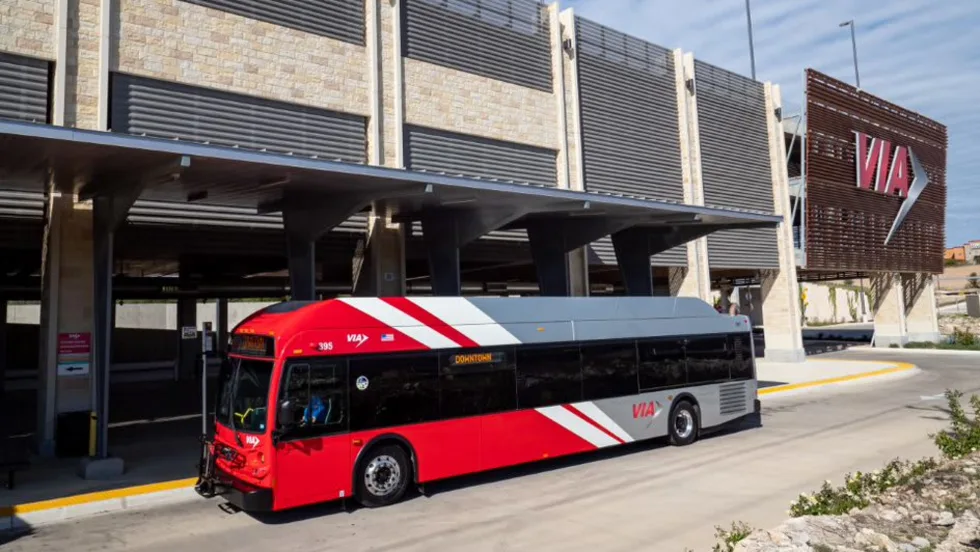
VIA, MBTA Reach Pre-Pandemic Ridership Milestones as Transit Use Climbs
VIA surpasses three million monthly trips for the first time since 2020, while the MBTA tops one million average weekday trips as both agencies report continued ridership growth.

What Transit Maintenance Facilities Should Know About Gas-Detection Placement
Proper gas-detector placement is critical to maintaining safety in transit maintenance facilities, requiring agencies to consider fleet fuel types, ventilation, shop operations, and ongoing equipment maintenance.

Improving Transit Safety and Reliability Through AI
Hayden AI’s Chief Growth Officer, Charley Territo, discusses how AI-powered camera enforcement is helping transit agencies keep bus lanes and stops clear, improve accessibility, and move from pilot programs to full-scale deployments.

Castro to Lead RTC of Southern Nevada and More in People Movement
In this edition, we also cover recent appointments and announcements at the STV, MCI, and more, showcasing the individuals helping to shape the future of transportation.

Study: Denver RTD Generates $2.1 Billion in Annual Economic Activity
An economic impact study finds the agency supports approximately 17,500 jobs, delivers $1.6 billion in annual community and mobility benefits, and generates $2.42 in economic value for every dollar invested.

Mark Aesch Nominated to Lead Federal Transit Administration
The former Rochester transit chief and TransPro founder, who has also contributed to METRO Magazine, brings decades of industry experience and a focus on performance, accountability, and financial sustainability to the nomination.

Pierce Transit Moves to Expand Fleet Following Proposition 1 Approval
The agency authorized the purchase or refurbishment of up to 60 buses to support a 47% service expansion, as voters nationwide approved billions in new transit funding.

Transit Expands Agency Partnerships, Reaching 200 Official App Partners
COO Jake Sion discusses Transit’s growth, the success of its Transit Royale program, and how technology is helping agencies improve the rider experience.
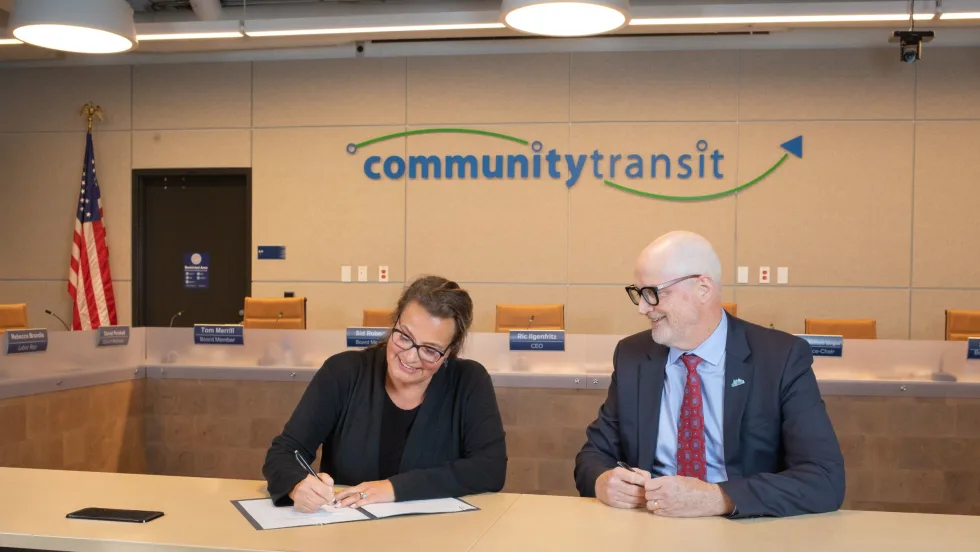
Everett Transit, Community Transit Approve Consolidation of Services
The agreement will bring Everett Transit into Community Transit’s network in April 2027, with plans to increase bus service by 50% by 2031 and expand regional connections.

Brian Dickson on Building Stronger, More Resilient Transportation Organizations
Bus Business Consultants Founder Brian Dickson discusses the leadership principles, operational discipline, and strategic planning that separate transportation companies positioned for long-term success from those stuck in survival mode.