




RELATED: The 'Genius' Idea for Improving Rail Signaling Accuracy
NY MTA, business leaders launch tech lab to bolster modernization
Focus areas include technology and process innovation in infrastructure, data, operations, customer service, and revenue generation.
October 9, 2018
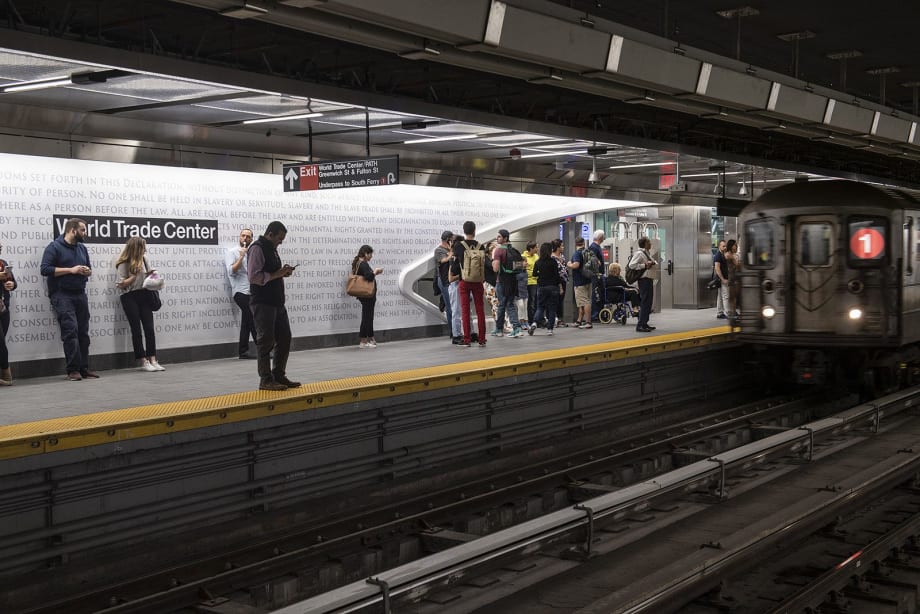
World Trade Center Cortlandt Station. Photo: NY MTA
3 min to read

The Metropolitan Transportation Authority's executive leadership team and the city’s business community, represented by the Partnership for New York City, announced the launch of the nation’s first Transit Tech Lab. The lab’s purpose is to identify and test promising new technology and other products that will accelerate modernization of New York’s public transportation network and contribute to improved services and a better customer experience.
Tech entrepreneurs who are developing products that could be useful to the MTA’s modernization plans find it difficult to navigate large public agencies. The Transit Tech Lab is one example of how the MTA is changing its internal processes to be more open to innovation. The lab will provide a faster and less expensive way for the MTA to review new products and carry out pilot projects with the best transit innovators from around the world.
The idea for the lab came from a working group that the Partnership for New York City and the MTA established earlier this year, the Transit Innovation Partnership (TIP). This is a privately funded, nonprofit initiative that was developed in response to Gov. Andrew M. Cuomo’s challenge to the business community to help address the needs of the regional transit system. It is led by Rachel Haot, executive director and the former chief digital officer for both New York City and New York State, and an advisory board of civic and business leaders, chaired by Alan Fishman, chairman of Ladder Capital Finance.
The first lab projects will be to identify technologies that can move buses faster and reduce the impact of subway delays. Submissions are being requested from teams that have products that are ready for beta testing with the MTA. Companies can learn more about the opportunity and how to apply before the Nov. 30 deadline at transitinnovation.org.
For the subway challenge, the Transit Tech Lab seeks technologies to better predict how long a subway delay will last and how it will affect trains and lines across the system, information that will be communicated to customers. Potential technologies to solve this challenge include analyzing historical subway data to find patterns that can be used to predict future disruptions, exploring tools for immediately communicating with customers, and using entirely new data sources such as social media that may provide fresh insights into subway incident impacts.
The bus challenge seeks technologies to help public buses move faster and more efficiently. The challenge welcomes a range of potential technologies, including sensors, cameras, and software that can help identify obstructions and patterns, improve coordination of routes and transfers, alert enforcement agencies about vehicles located in bus lanes, and adjust bus activity to changing customer demand.
After companies apply, MTA specialists and private sector experts will review Lab proposals. Evaluators from the business community include:
Reilly Brennan, general partner, Trucks Venture Capital
Shana Fisher, managing director, Third Kind Venture Capital
Maria Gotsch, president/CEO, Partnership Fund for New York City
Nick Grossman, GM, Union Square Ventures
Dylan Hixon, principal, Arden Road Investments
Brian Keil, managing director, NYS Innovation VC Fund, Empire State Development Corp.
Linda Kirkpatrick, executive VP, U.S. Market Development, Mastercard
Kevin Ryan, chairman/founder, Zola, Workframe, Nomad Health, Mongo DB
The most promising companies will be selected to participate in an eight-week accelerator program starting in February where they will be able to refine their products to more directly meet the needs of public transit. At the end of the program, the MTA will select successful companies for a 12-month pilot with the transit system. The pilot is unpaid, but offers companies a unique opportunity to demonstrate their technology in the nation’s largest transit system and positively contribute to the future of New York City
More Technology
Alstom Acquires Delaware Site to Support Amtrak NextGen Acela Fleet
The company is investing more than $55 million to acquire and improve the property and will employ approximately 100 people at this site once it is operational.
Read More →
ABA's Ferguson Testifies in Support of BUS Act, National Standards for Bus Operators
The BUSES Act would create a nationwide framework preventing state and local governments from enforcing bus idling restrictions of less than 15 minutes, a threshold consistent with existing Environmental Protection Agency guidance.
Read More →
When Routine Fails: How Public Transit Must Adapt for the World Cup
The 2026 FIFA World Cup will test transit agencies’ ability to manage unpredictable travel patterns, making real-time data and operational flexibility critical to moving millions of visitors efficiently.
Read More →
California Selects Team for Nation’s First True High-Speed Rail Track and Systems Contract
The board action follows completion of track installation at the 150-acre southern railhead in Kern County, which will serve as the staging and distribution hub for high-speed track and systems installation.
Read More →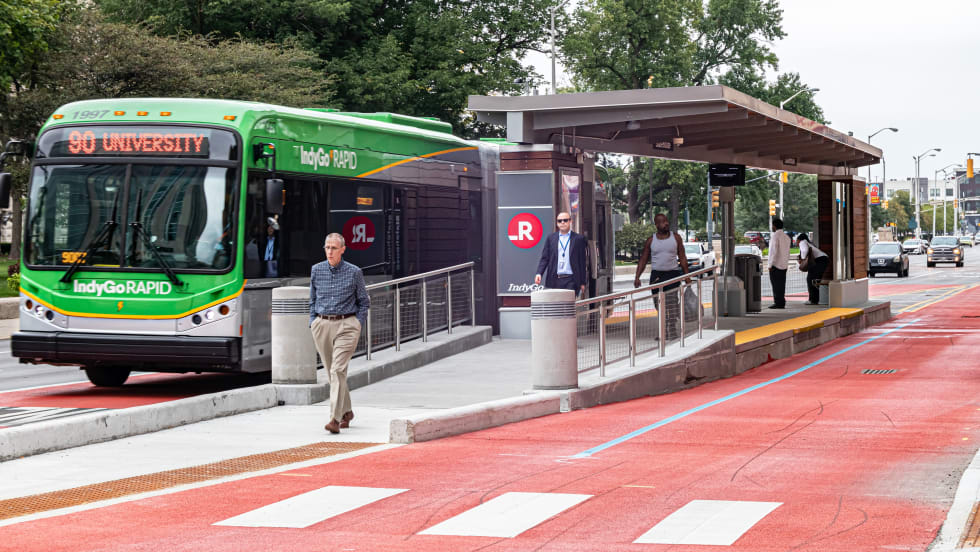
IndyGo, Cleveland RTA Expand Digital Fare Payment Options with Masabi
The new systems combine mobile apps, smart cards, and automatic fare capping to simplify payments, expand flexibility, and help riders access the lowest available fares.
Read More →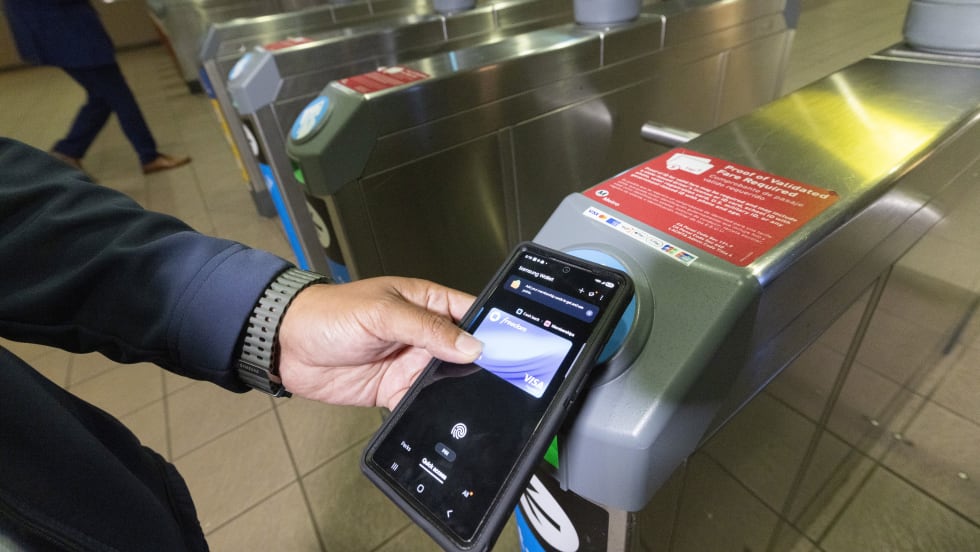
LA Metro Launches New Mobile App, Contactless Payment Options
Available on Metro and at 26 TAP-participating transit agencies, the system reduces waiting times, speeds boarding, and improves convenience systemwide, said the agency.
Read More →
Joshua Schank on Transportation Innovation, Risk, and the Future of Mobility
In this edition of METROspectives, the co-author of New Tricks for Old Bureaucracies, discusses lessons from launching LA Metro’s Office of Extraordinary Innovation, the challenges of advancing new mobility technologies, and much more.
Read More →
Biz Briefs: Foothill Gold Line Award, Matawan Contract, and More
From strategic partnerships to acquisitions and service expansions, the industry continues to evolve at a rapid pace. Find out all the latest here.
Read More →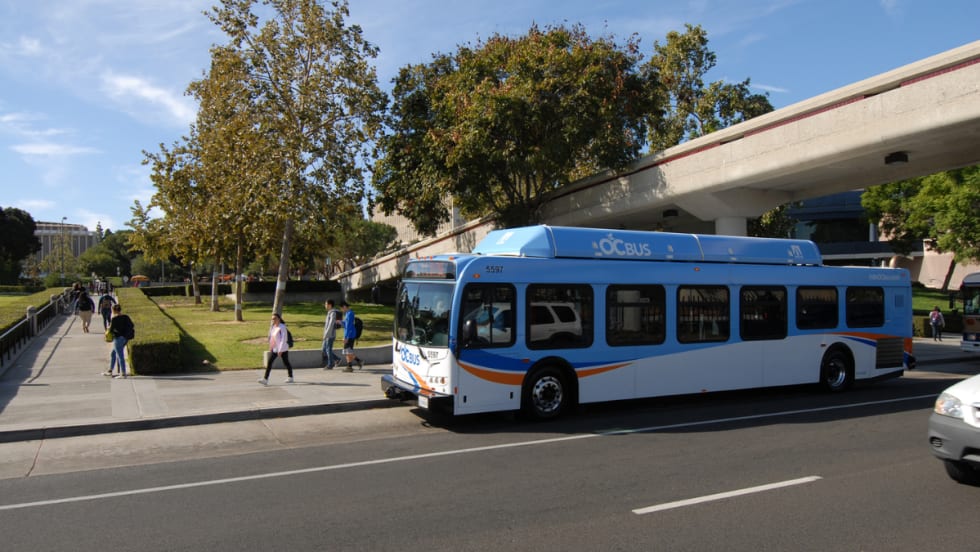
OCTA Sees Growing Adoption of Wave Fare Payment System
Since launching in October 2025, the Wave system has steadily replaced previous fare media with faster, more flexible payment options designed to streamline boarding, improve reliability, and help riders more easily access fare discounts and cost-saving benefits, said OCTA
Read More →
The Evolving Role of Program Management in Transit Delivery
Brian Buchanan, HDR’s transit program management lead, discusses how agencies can strengthen governance, anticipate risk and deliver large-scale projects more effectively.
Read More →