




RELATED: [Video] TfL's Elizabeth Line train build time lapse
Bespoke maintenance trains to help keep London line running
The 160-foot-long rail milling train is the first of its kind to be used in the UK rail industry.
July 3, 2018

Engineering train with on-off loading device for gantries. Photo: Transport for London
2 min to read

New state-of-the-art maintenance trains that will be used on the London Underground are being tested in Europe ahead of delivery to London later this year.
A new rail milling train and two multi-purpose engineering trains with bespoke machinery attachments will be delivered ahead of the Elizabeth line opening in December.
The 160-foot-long rail milling train is the first of its kind to be used in the UK rail industry. It is able to scan the rails using electromagnetic crack detection, looking for any defects. If it identifies any issues with the track, it can mill the surface of the rail to remove defects and cracks, reducing wear on the new Elizabeth line train wheels and the tracks. Metal chips will be collected in a container on the train and later recycled as high-quality scrap metal.
The milling process eliminates the problems of sparks, fire and dust created by traditional rail grinding trains, leaving a smoother surface that will provide a quieter, more comfortable ride for passengers. Using this state-of-the-art technology will reduce the need for major track maintenance, meaning less disruption for customers. Manufactured by Austrian company Linsinger in Steyrermühl in Austria, it has two drivers' cabs and space for up to four members of staff as well as a welfare facility.

The two multi-purpose engineering trains, supplied by Plasser UK, have been manufactured by ROBEL Bahnbaumaschinen in Freilassing in Germany. They can be configured to be between 130 and 260 feet long, depending on the task, with a number of modular attachments. The trains' unique gantry system, provides the capability to change a five ton, 115-foot switch rail within the short overnight engineering hours. The trains can also be configured for different purposes using cranes, a scissor lift for working on overhead line equipment or cabling, and a water tank and jet for drainage clearance and tunnel cleaning.
These trains will also be the main way to transport new rail, platform screen doors, station transformers and more, through the central section of the Elizabeth line once stations are complete.

All three maintenance trains are fitted with the Elizabeth line's new central section signalling system, enabling them to move around the railway while passenger trains are still running to maximise the time spent working during the night.
The three trains are designed specifically for the Elizabeth line and are gauged to fit inside the new tunnels and on the central section of the route. The operation and maintenance of the trains will be carried out by GB Rail freight Limited (GBRf). TfL has awarded this contract for a period of five years.
More Rail

The Invisible Infrastructure of Passenger Flow
What a seat reservation system on Austria’s Railjet trains reveals about the future of rider experience, and why U.S. agencies should pay attention.
Read More →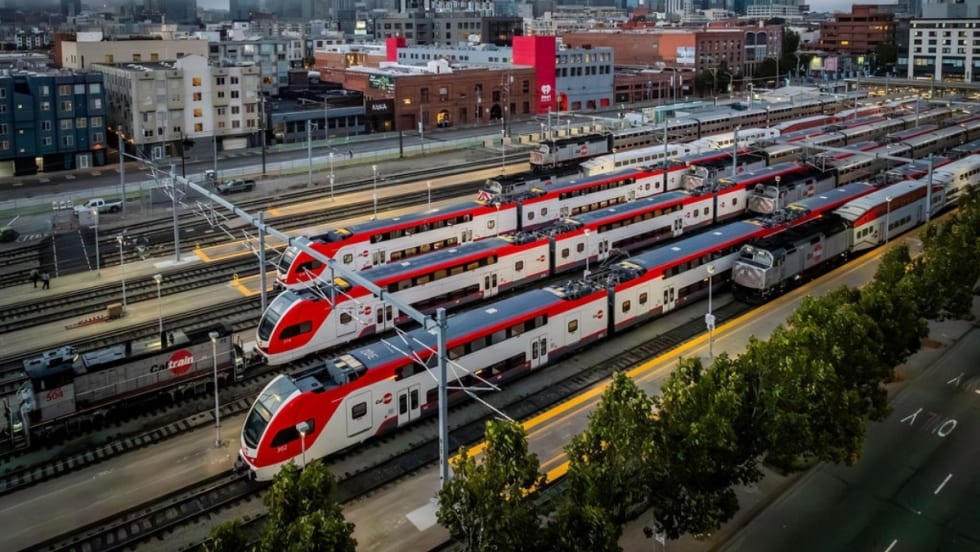
Caltrain Board Approves FY27 Budget, Endorses Efficiency Measures
The move ensures Caltrain service will continue operating as usual in the near term, but long-term financial challenges remain for the rail agency absent a new revenue source.
Read More →
Alstom Acquires Delaware Site to Support Amtrak NextGen Acela Fleet
The company is investing more than $55 million to acquire and improve the property and will employ approximately 100 people at this site once it is operational.
Read More →
When Routine Fails: How Public Transit Must Adapt for the World Cup
The 2026 FIFA World Cup will test transit agencies’ ability to manage unpredictable travel patterns, making real-time data and operational flexibility critical to moving millions of visitors efficiently.
Read More →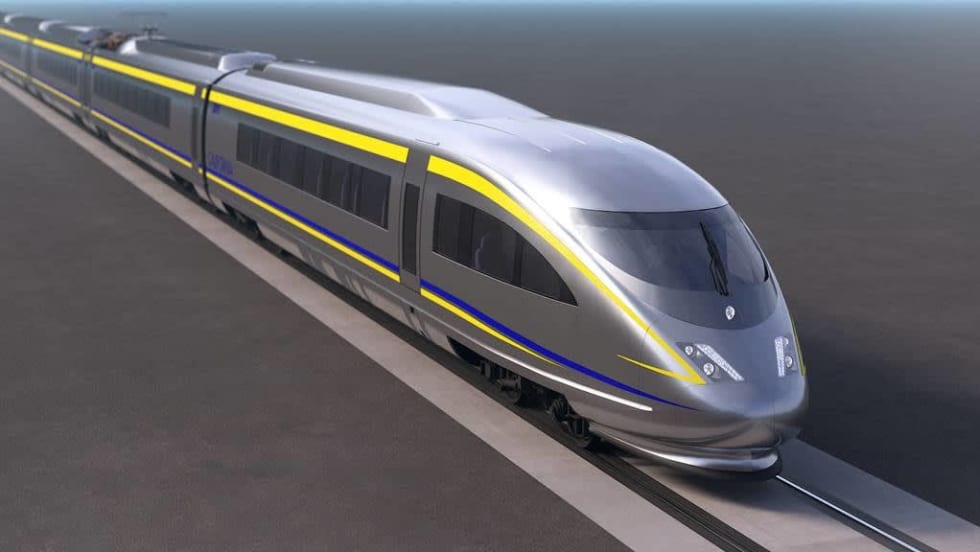
California Selects Team for Nation’s First True High-Speed Rail Track and Systems Contract
The board action follows completion of track installation at the 150-acre southern railhead in Kern County, which will serve as the staging and distribution hub for high-speed track and systems installation.
Read More →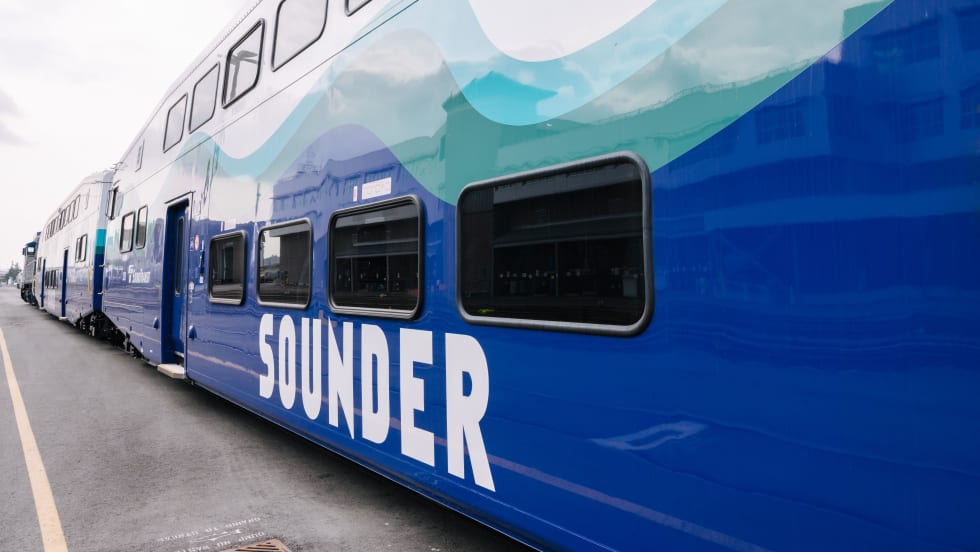
Seattle's Sound Transit Launches New Sounder Railcars into Service
Alstom manufactured all the cars under a $46.5 million contract and came into service in anticipation of summer crowds for soccer and baseball.
Read More →
Alstom Partners With Universities to Build Rail Talent Pipeline
The partnerships include a new engineering scholarship fund at Alfred State College in Western New York and collaborations with transportation centers at the University of Pennsylvania and New York University.
Read More →
Chicago's NITA Act Moves Into Next Phase as Service Improvements Begin
Rider-focused improvements will begin rolling out across the system immediately as CTA, Metra, and Pace increase service this summer in the six-county region.
Read More →
Seattle’s Sound Transit Adopts Updated ST3 System Plan
The updated system plan incorporates cost savings across the agency, including new revenue sources and financial policies, to set the agency on a sustainable path for the future.
Read More →
Inside Look: EMBARK Expands Fare-Free Transit Program Through New Public-Private Partnership
The OKC transit agency says sponsorship helps subsidize the Third Friday Free initiative while reducing barriers for first-time riders and boosting ridership across buses, streetcars, and river cruises.
Read More →