



Pilot program brings Cap Metro bus info to blind, visually impaired
The program, which will run for the next 60 days at 16 bus stops, was developed by Connecthings, in partnership with RATP Dev USA, BlindSquare, and BlueCats.


This digital infrastructure, powered by Connecthings, works in connection with the BlindSquare app to transform how transit riders, who are blind or visually impaired, interact with public transportation in Austin.
Connecthings

This digital infrastructure, powered by Connecthings, works in connection with the BlindSquare app to transform how transit riders, who are blind or visually impaired, interact with public transportation in Austin.
Connecthings
Connecthings, an urban tech company, launched a pilot program to deliver real-time Capital Metro bus schedule and service alert information to riders who are blind or visually impaired. The program, which will run for the next 60 days at 16 Capital Metro bus stops across downtown Austin, was developed in partnership with RATP Dev USA, Capital Metro’s bus service operations and management partner; BlindSquare, the world's most popular accessible GPS application for people who are blind or visually impaired, and BlueCats, manufacturers of the world's most advanced Bluetooth® Low Energy (BLE) beacons and intelligent internet of things (IIoT) asset tracking solutions.
This digital infrastructure, powered by Connecthings, works in connection with the BlindSquare app to transform how transit riders, who are blind or visually impaired, interact with public transportation in Austin. Through the app, riders can now get real-time bus schedule and service alert information automatically when in proximity to the stop. BlindSquare brings the riders to the stop, and supports the continuation of the journey to the destination of choice when exiting the bus.
“Technology is a remarkable thing. Every day new developments, devices and discoveries are made which have the potential to change the world as we know it,” said Laetitia Gazel Anthoine, CEO of Connecthings. “For riders who are blind or partially sighted, Connecthings, Capital Metro, and RAPT Dev are breaking down key communication barriers that can inhibit the lives of those who are, in this case, visually impaired. This pilot program will demonstrate how easily and efficiently transportation systems can deliver information to riders from the first mile to the last mile.”
“The use of beacons, especially integrated with smart mobile apps, provides the potential of many useful applications that can benefit the community,” said Joe Iannello, Capital Metro VP and chief information officer. “This initial demonstration in Austin with Connecthings, BlueCats, and BlindSquare is a first step in exploring some of those benefits.”
At launch, the pilot program will only be open to a select number of “beta-riders” that will use the app on a daily basis while providing feedback and input for optimizing and improving the service.
This program is just one of many services that can be enabled by Connecthings in a smart city environment. In addition to delivering real-time bus information to the blind and visually impaired, the same information can be access by other riders via push notifications. In June 2017, Connecthings joined AustinCityUp, a smart city consortium of companies, organizations, and individuals collaborating on activities that advance Austin through digital technologies, data collection, analytics, and modeling.
More New Mobility

From Hardware to Digital Partner: Luminator Charts Its Next Chapter
CEO Magnus Friberg discusses Luminator’s shift toward becoming a digital partner, the growing importance of software and interoperability, and how AI can help agencies improve operations and passenger experience.
Read More →
Biz Briefs: Alstom Lands Canadian Contract, LYT to Supply California TSP, and More
In METRO's latest installment, we take a look at recent news from Complete Coach Works, Beep, FlixBus, and more partnerships making headlines across the transportation sector.
Read More →
CharterUP’s Armir Harris on Technology, AI, and the Future of Group Mobility
In a recent episode of METROspectives, CharterUP Founder/CEO Armir Harris discussed the company’s evolution from an online charter bus marketplace into a technology platform supporting public- and private-sector mobility and much more.
Read More →
Jacksonville’s NAVI Project Charts a New Course for Autonomous Public Transportation
Through its NAVI program, JTA is showing how autonomous vehicles, intelligent infrastructure, and coordinated operations can work together to deliver everyday public transportation.
Read More →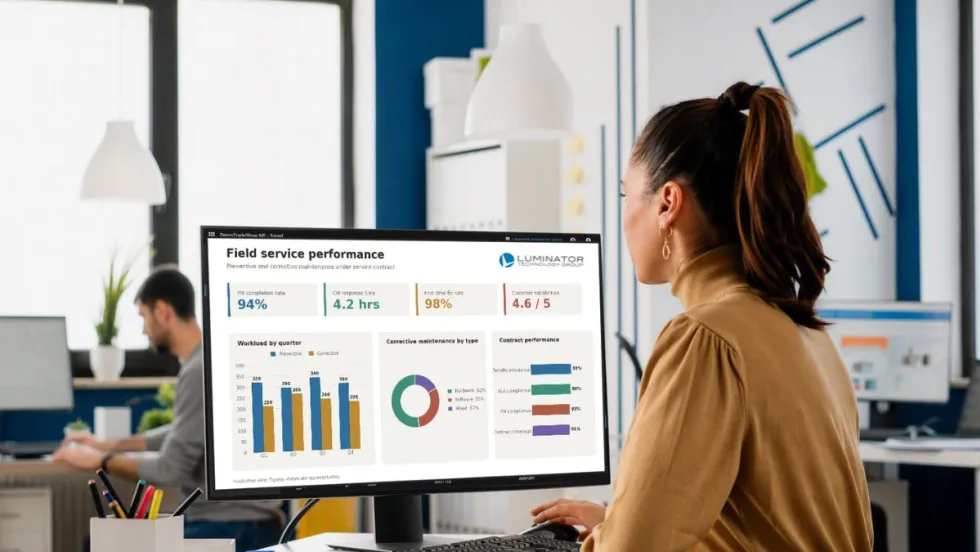
Biz Briefs: Luminator Marks Milestone and More
From manufacturers and suppliers to transit agencies and motorcoach operators, these updates offer a snapshot of the projects, partnerships and business moves driving the industry forward.
Read More →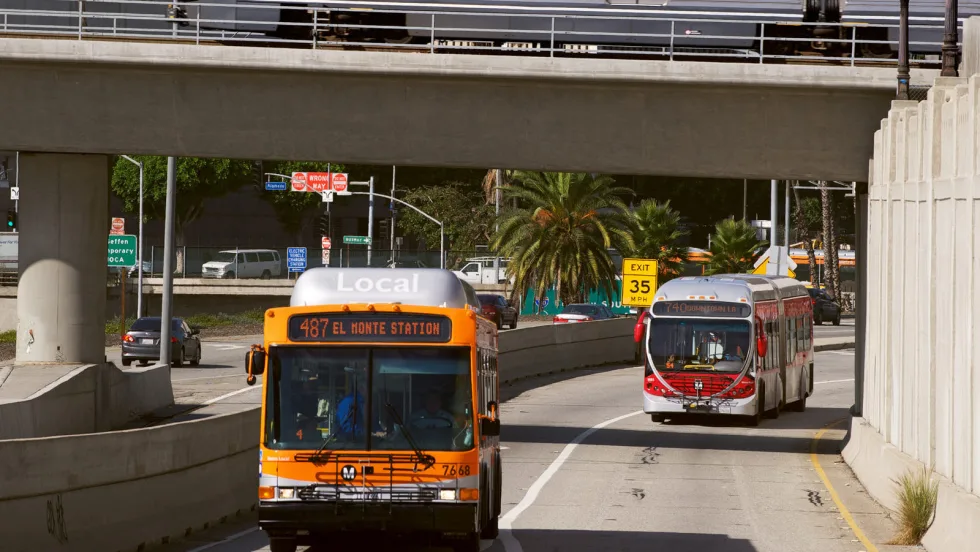
New Tricks for Old Bureaucracies: Joshua Schank on Making Transit Innovation Stick
Former LA Metro Chief Innovation Officer Joshua Schank discusses why good ideas aren't enough, how transit agencies can overcome resistance to change, and why today's challenges demand more innovation.
Read More →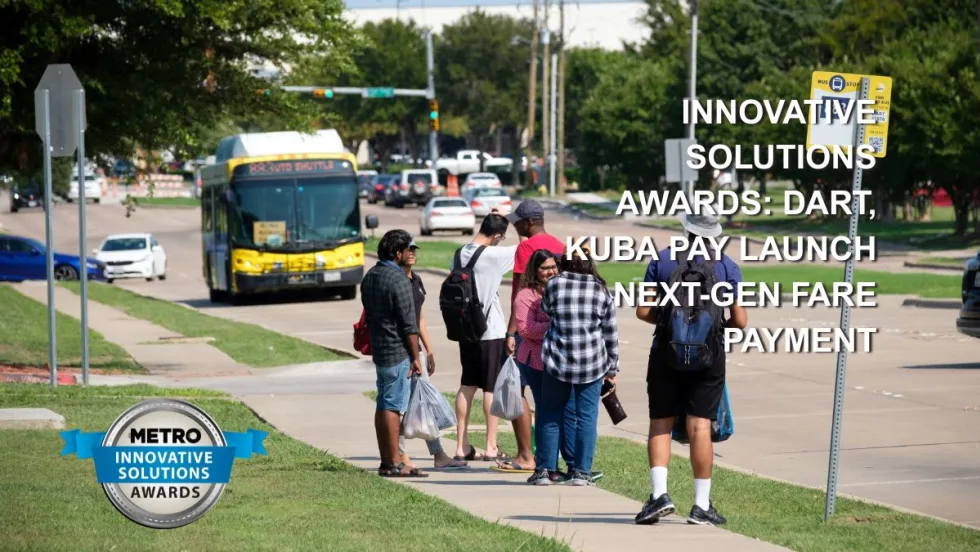
How DART's GoPass Is Redefining Regional Mobility
Serving 14 transit agencies, GoPass simplifies multimodal travel by allowing riders to plan, pay for, and manage an entire trip through one app.
Read More →
Biz Briefs: OCTA Taps Clean Energy for Hydrogen Station, Stadler to Supply Via Rail Vehicles, and More
From manufacturers and suppliers to transit agencies and motorcoach operators, these updates offer a snapshot of the projects, partnerships and business moves driving the industry forward.
Read More →CharterUP Expands Into New Mobility and Autonomous Transportation
Vice President of New Mobility Stephen Joos discusses how CharterUP is leveraging its nationwide transportation network, technology platform, and autonomous vehicle partnerships to expand into workforce mobility, campus shuttles, and transit solutions.
Read More →
METRO Magazine Announces 2026 Innovative Solutions Awards Winners
Projects Recognized for Advancing Mobility Through Technology, Accessibility, Workforce Innovation, and Operational Excellence
Read More →