



UC Berkeley, Zipcar study finds 30% fewer vehicles on campuses with carsharing
Respondents also report saving money on transportation after joining and having the freedom to go “where they want, when they want,” according to a joint press release.

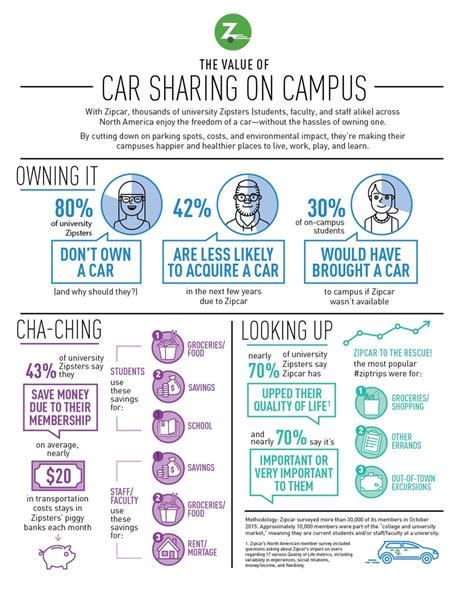

Zipcar and the University of California, Berkeley’s Transportation Sustainability Research Center (TSRC), released the findings of a first-of-its kind study of Zipcar car sharing on North American college and university campuses.
The results, which were vetted by a group of university administrators earlier this month, show that car sharing programs enable 30% of students who live on campus to leave their car at home, freeing up valuable real estate on campuses. Respondents also report saving money on transportation after joining and having the freedom to go “where they want, when they want,” according to a joint press release.
To view the report, click here.
“Traffic and the lack of parking are growing problems on college and university campuses as student car owners continue to outnumber available parking,” said Susan Shaheen, co-director, UC Berkeley TSRC. “This first-ever study of Zipcar car sharing on college and university campuses shows that implementing an on-campus car sharing program can help to alleviate these concerns and improve the well-being of students, faculty, and staff, providing greater accessibility and mobility without the burden of circling for a spot, feeding a meter, or obtaining a permit.”
More than 10,000 university students, faculty and staff participated in the survey, with students making up the bulk (90%) of the respondents. Key findings include:
Zipcar’s college and university members are freeing up precious campus space that could otherwise be used for classroom buildings, science labs and athletic fields.
The majority of members don’t own a car.
Taking advantage of other mobility options around campus.
Zipcar membership has directly improved quality of life and given members the freedom to go where they want, when they want.
Nearly 70 percent of university Zipcar members say Zipcar has improved their quality of life, and the same proportion say Zipcar is important or very important to them.
Experienced financial savings.
More Bus
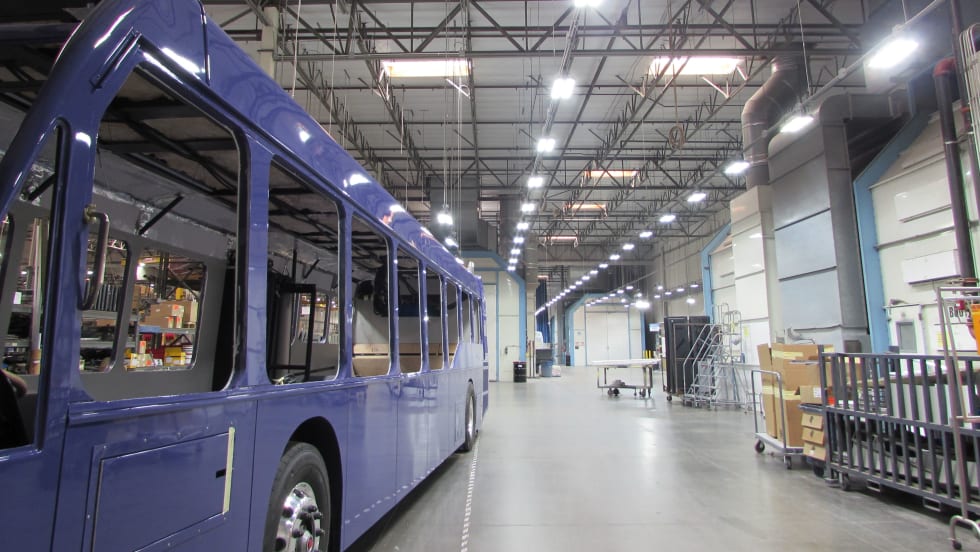
ENC to Deliver Three Clean Diesel Buses to Canada's York Region Transit
Since 2005, City View and ENC have supplied nearly 90 E-Z Rider II buses to YRT.
Read More →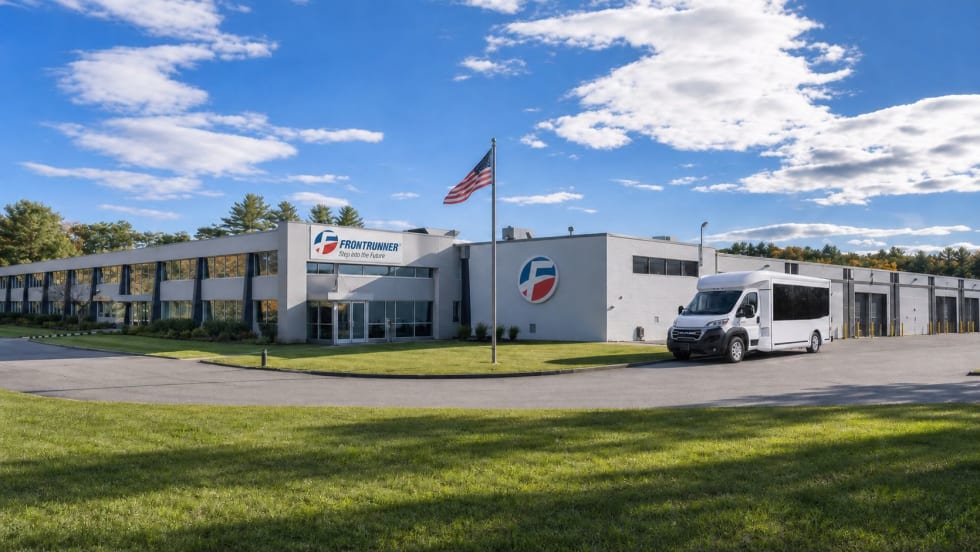
Frontrunner Bus Group Expands with New Massachusetts Headquarters
The significantly larger facility will provide the infrastructure needed to support the company’s growing workforce, advanced technologies, and expanding product line.
Read More →
Joshua Schank on Transportation Innovation, Risk, and the Future of Mobility
In this edition of METROspectives, Joshua Schank discusses lessons from launching LA Metro’s Office of Extraordinary Innovation, the challenges of advancing new mobility technologies, and much more.
Read More →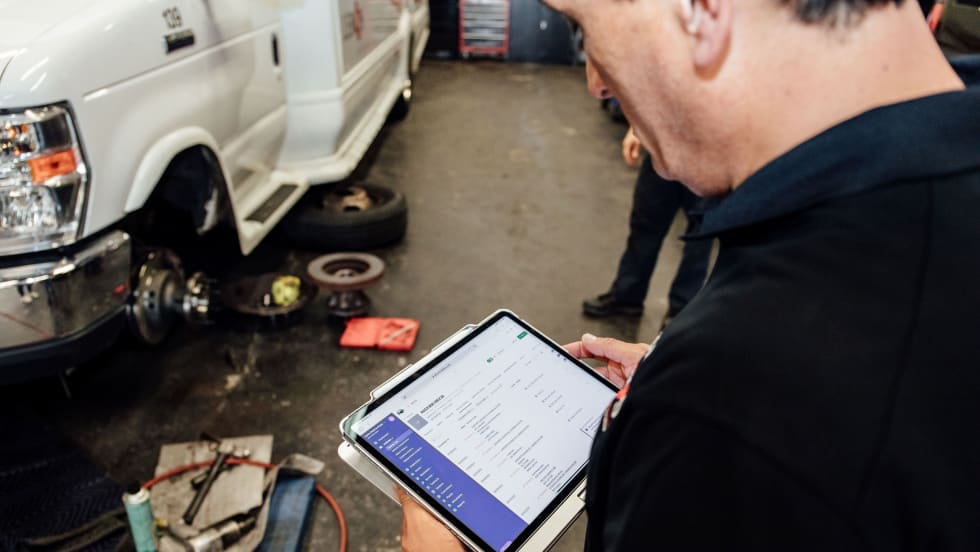
Reinventing Fleet Maintenance with Real-time Visibility and AI
Transit leaders need to know what needs fixing, where to look, who is responsible, when work is completed, and what it costs without having to chase information across disconnected systems.
Read More →
SamTrans Sets Priorities for Potential Connect Bay Area Revenue
The board-approved framework allocates future funding to maintaining service, rider improvements, equity initiatives, and infrastructure repairs.
Read More →
When Routine Fails: How Public Transit Must Adapt for the World Cup
The 2026 FIFA World Cup will test transit agencies’ ability to manage unpredictable travel patterns, making real-time data and operational flexibility critical to moving millions of visitors efficiently.
Read More →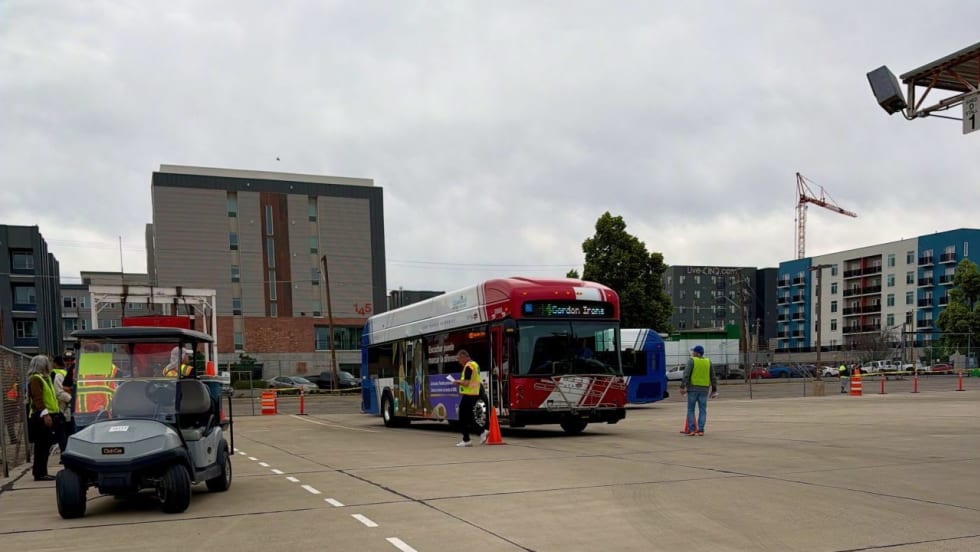
Photo Highlights from APTA's 2026 Mobility Conference
The photo gallery captures scenes from the conference, including the International Bus Roadeo, exhibit hall activities, the Bus Showcase, and much more.
Read More →
Chicago's NITA Act Moves Into Next Phase as Service Improvements Begin
Rider-focused improvements will begin rolling out across the system immediately as CTA, Metra, and Pace increase service this summer in the six-county region.
Read More →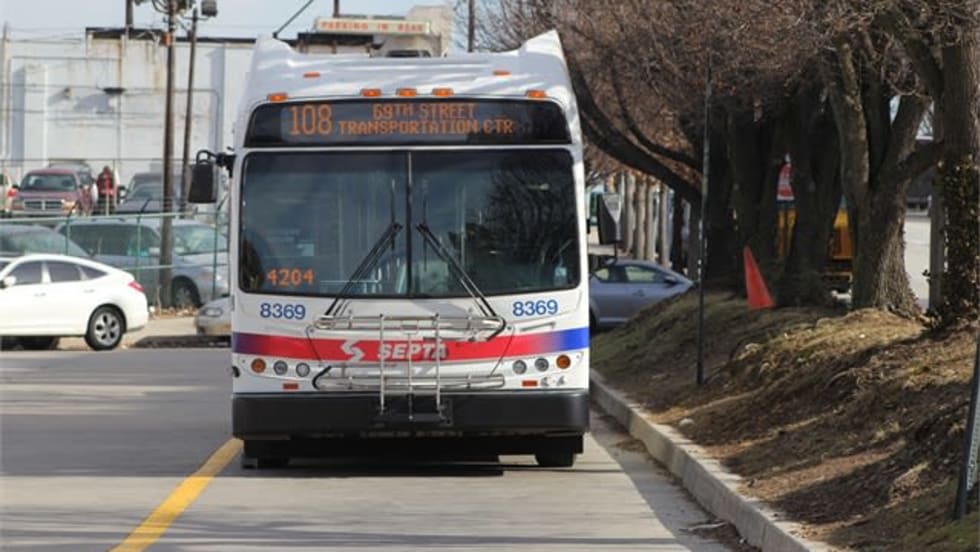
Philadelphia's SEPTA Approves Annual Transit Service Plan
Between 2021 and 2024, SEPTA held more than 200 public meetings — including 144 in-person sessions — throughout the SEPTA service region.
Read More →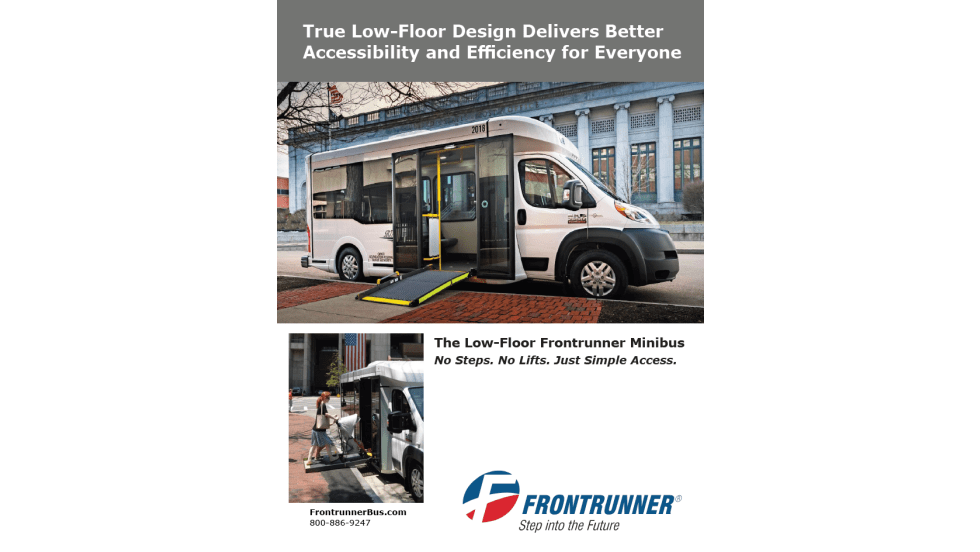
Low-Floor vs. High-Floor Cutaway vs. Modified Van: How 3 Accessible Minibus Designs Compare
As transit demands evolve, so should your fleet. Download the whitepaper to see how the Low-Floor Frontrunner Minibus compares to traditional options.
Read More →