




RELATED: [Photos] Tour DART's LEED Platinum-certified Central Station
Hillary Clinton tours DART's Platinum-certified Central Station
Des Moines Area Regional Transit Authority's facility achieved this certification through sustainable site development, water savings, energy efficiency, materials selection and indoor environmental quality.
July 30, 2015
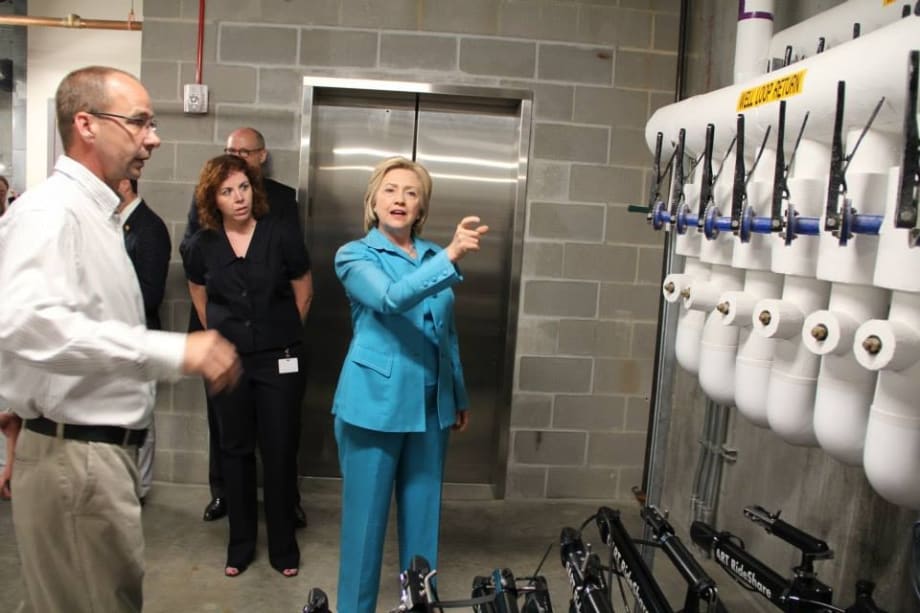
Former Secretary of State Hillary Clinton (shown R to L) with DART General Manager Elizabeth Presutti and Building Supervisor Keith Welch on the tour of Central Station. Photo: DART
2 min to read

Former Secretary of State Hillary Clinton toured Des Moines Area Regional Transit Authority's (DART) Central Station on Monday, July 27, 2015. DART General Manager Elizabeth Presutti led the tour, which highlighted the building’s environmentally sustainable construction and operations.
“It was very exciting. It`s definitely an opportunity to showcase DART and all of the great things we’ve been doing particularly with the construction of DART Central Station and all the environmental sustainability components of the building,” said Presutti as reported by WHOTV.
Central Station has been certified LEED Platinum, the highest certification of the LEED (Leadership in Energy and Environmental Design) Rating System of the U.S. Green Building Council.
The building achieved this certification through sustainable site development, water savings, energy efficiency, materials selection and indoor environmental quality.
DART Central Station has been certified LEED Platinum, the highest certification of the LEED (Leadership in Energy and Environmental Design) Rating System of the U.S. Green Building Council. DART Central Station achieved this certification through sustainable site development, water savings, energy efficiency, materials selection and indoor environmental quality.
Highlights include:
24% of construction materials were recycled;
28% of the materials were manufactured regionally;
70 geothermal wells help with heating and cooling;
86,498 kilowatt hours of energy have been generated since opening by rooftop photovoltaic panels, a savings of 515,840 pounds of carbon dioxide;
2.8 million gallons of rainwater have been captured, cleaned and reused in place of potable water since opening for tasks such as washing bus platforms — nearly 50% of total water used.
The station, which opened in November 2012, features many amenities including climate-controlled waiting areas, covered loading platforms, a bicycle storage room and a local coffee purveyor, Java Joe’s CoffeeHouse.

DART Central Station is the work of many people and firms. Substance Architecture led the design team and The Weitz Co. led the construction team, with contributions from numerous local companies.
More Technology
Biz Briefs: Masabi Partners with LANTA and More
In this edition, we spotlight the latest developments shaping the future of mobility.
Read More →
Joshua Schank on Transportation Innovation, Risk, and the Future of Mobility
In this edition of METROspectives, Joshua Schank discusses lessons from launching LA Metro’s Office of Extraordinary Innovation, the challenges of advancing new mobility technologies, and much more.
Read More →
Reinventing Fleet Maintenance with Real-time Visibility and AI
Transit leaders need to know what needs fixing, where to look, who is responsible, when work is completed, and what it costs without having to chase information across disconnected systems.
Read More →
Alstom Acquires Delaware Site to Support Amtrak NextGen Acela Fleet
The company is investing more than $55 million to acquire and improve the property and will employ approximately 100 people at this site once it is operational.
Read More →
ABA's Ferguson Testifies in Support of BUS Act, National Standards for Bus Operators
The BUSES Act would create a nationwide framework preventing state and local governments from enforcing bus idling restrictions of less than 15 minutes, a threshold consistent with existing Environmental Protection Agency guidance.
Read More →
When Routine Fails: How Public Transit Must Adapt for the World Cup
The 2026 FIFA World Cup will test transit agencies’ ability to manage unpredictable travel patterns, making real-time data and operational flexibility critical to moving millions of visitors efficiently.
Read More →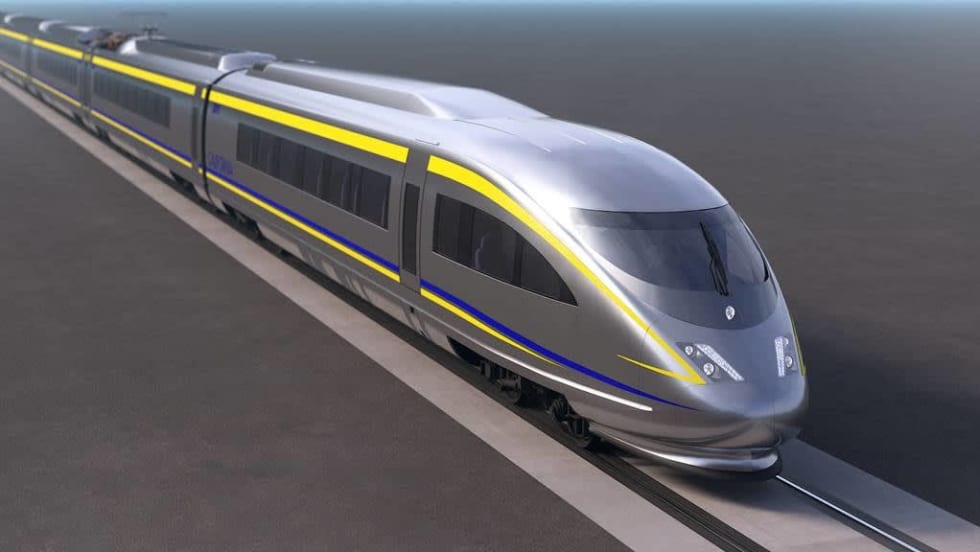
California Selects Team for Nation’s First True High-Speed Rail Track and Systems Contract
The board action follows completion of track installation at the 150-acre southern railhead in Kern County, which will serve as the staging and distribution hub for high-speed track and systems installation.
Read More →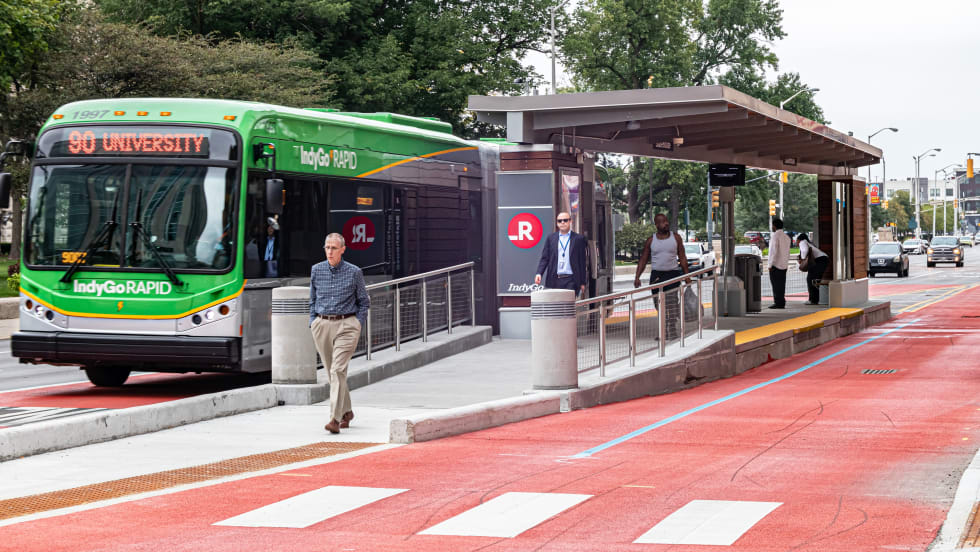
IndyGo, Cleveland RTA Expand Digital Fare Payment Options with Masabi
The new systems combine mobile apps, smart cards, and automatic fare capping to simplify payments, expand flexibility, and help riders access the lowest available fares.
Read More →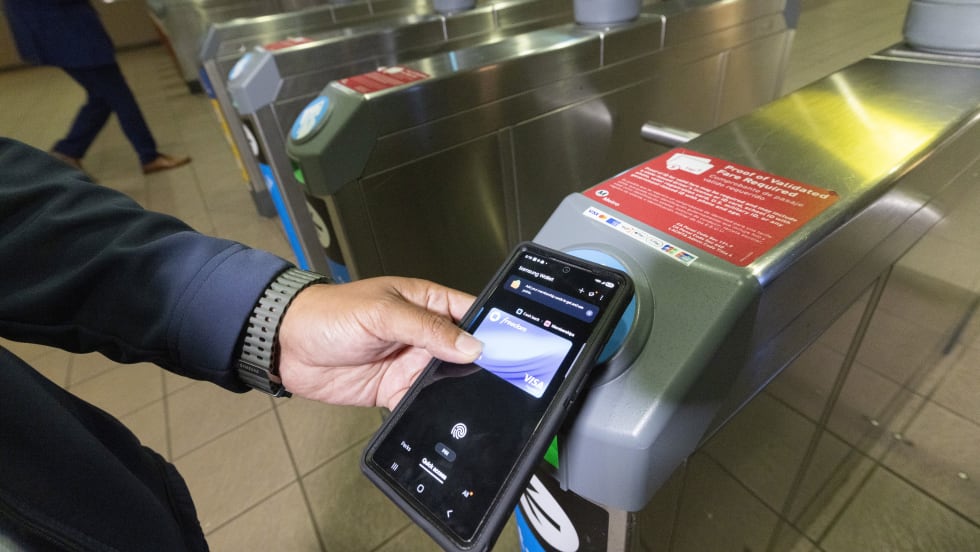
LA Metro Launches New Mobile App, Contactless Payment Options
Available on Metro and at 26 TAP-participating transit agencies, the system reduces waiting times, speeds boarding, and improves convenience systemwide, said the agency.
Read More →
Joshua Schank on Transportation Innovation, Risk, and the Future of Mobility
In this edition of METROspectives, the co-author of New Tricks for Old Bureaucracies, discusses lessons from launching LA Metro’s Office of Extraordinary Innovation, the challenges of advancing new mobility technologies, and much more.
Read More →