



New MARTA Safety Plan to Boost Risk Mitigation, Employee Involvement
The Agency Safety Plan, required by the FTA, is based upon the Safety Management Systems policies and procedures.
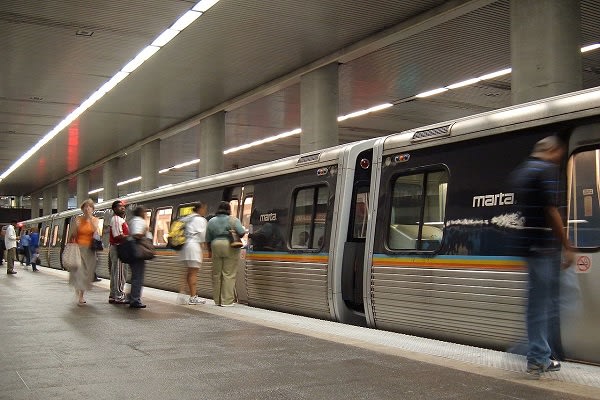
The groundwork for the Agency Safety Plan was laid in August when MARTA’s Department of Safety and Quality Assurance achieved ISO certification of its quality Management System.
MARTA
The Metropolitan Atlanta Rapid Transit Authority (MARTA) implemented a new Agency Safety Plan (ASP), recently approved by the Georgia Department of Transportation (GDOT) and MARTA's board of directors.
As required by the Federal Transit Administration (FTA), MARTA developed a plan that takes a collaborative approach to managing safety risks and issues and more precisely measure safety performance.
“This safety plan is the result of every department at MARTA taking a hard look at processes and coming up with a better, more effective way to prevent incidents, and swiftly address safety issues. It corrects procedural flaws in the old plan and establishes systemwide procedures that are scalable and flexible, resulting in a safer transit system,” said MARTA GM/CEO Jeffrey Parker.
The ASP is based upon the Safety Management Systems (SMS) policies and procedures that focus on identifying safety hazards, mitigating safety risks, and employee involvement through reporting avenues such as MARTA’s Safety 1st Program and Safety Hotline which allow for anonymous reporting of safety hazards. It also features a new Anti-Retaliation Policy for those who report non-compliance of the ASP.
To help aid in the transition to the new ASP, MARTA developed an implementation plan. Several actions are already underway, including a new Continuous Improvement Business Unit, the establishment of a Safety Hotline, and hiring a new manager of SMS.
The groundwork for the ASP was laid in August when MARTA’s Department of Safety and Quality Assurance achieved the International Organization for Standardization (ISO) 9001:2015 certification of its Quality Management System (QMS). A QMS helps coordinate and direct an organization’s activities and meet customer and regulatory requirements for operations. These standards serve as the foundation of the SMS, which provides the principles of MARTA’s ASP.
More Security and Safety
What Transit Maintenance Facilities Should Know About Gas-Detection Placement
Proper gas-detector placement is critical to maintaining safety in transit maintenance facilities, requiring agencies to consider fleet fuel types, ventilation, shop operations, and ongoing equipment maintenance.
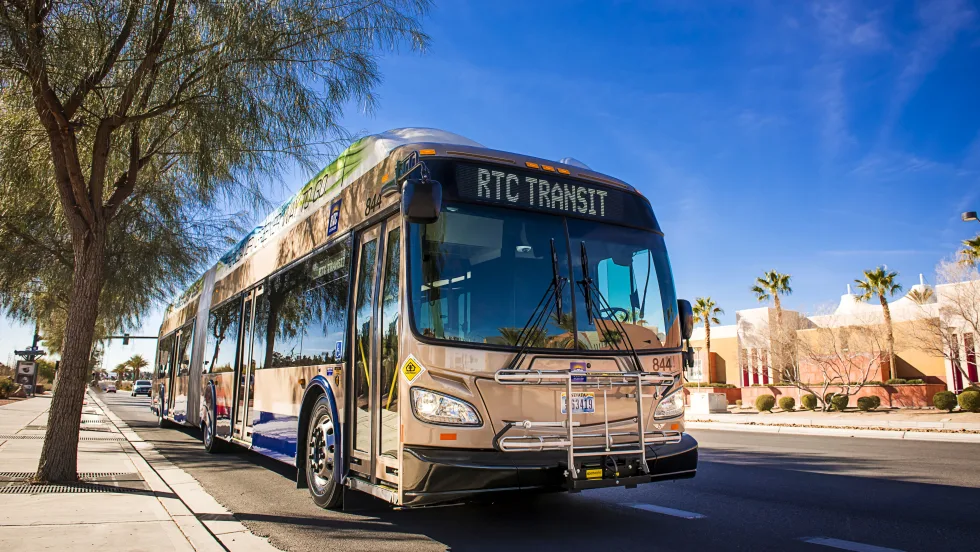
RTC Reports Nearly 29% Drop in Transit Operator Assaults
The Las Vegas agency credits expanded security measures, training, and technology for improved safety in FY 2026, while security officers have helped save 19 lives through overdose-response efforts.

Improving Transit Safety and Reliability Through AI
Hayden AI’s Chief Growth Officer, Charley Territo, discusses how AI-powered camera enforcement is helping transit agencies keep bus lanes and stops clear, improve accessibility, and move from pilot programs to full-scale deployments.

Study: Denver RTD Generates $2.1 Billion in Annual Economic Activity
An economic impact study finds the agency supports approximately 17,500 jobs, delivers $1.6 billion in annual community and mobility benefits, and generates $2.42 in economic value for every dollar invested.

SEPTA Launches 'Reach' Program to Connect Vulnerable Individuals with Support
The initiative deploys specialists throughout Philadelphia’s transit system to connect individuals with housing, healthcare, and social services while addressing safety and quality-of-life concerns.
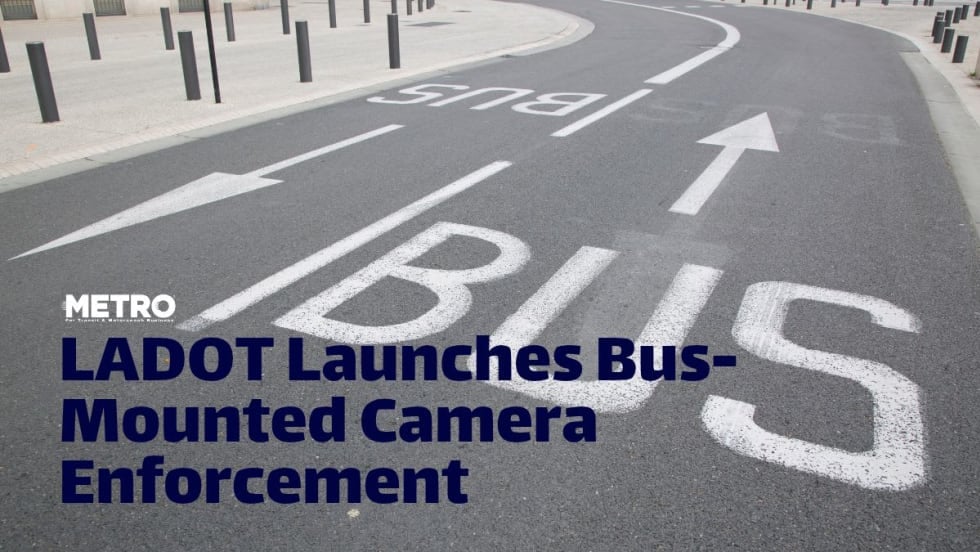
LADOT to Launch Bus-Mounted Camera Enforcement on DASH Buses
The program will begin with a 60-day warning period before citations are issued in January 2027, joining similar efforts across Southern California to improve bus reliability, safety, and accessibility.
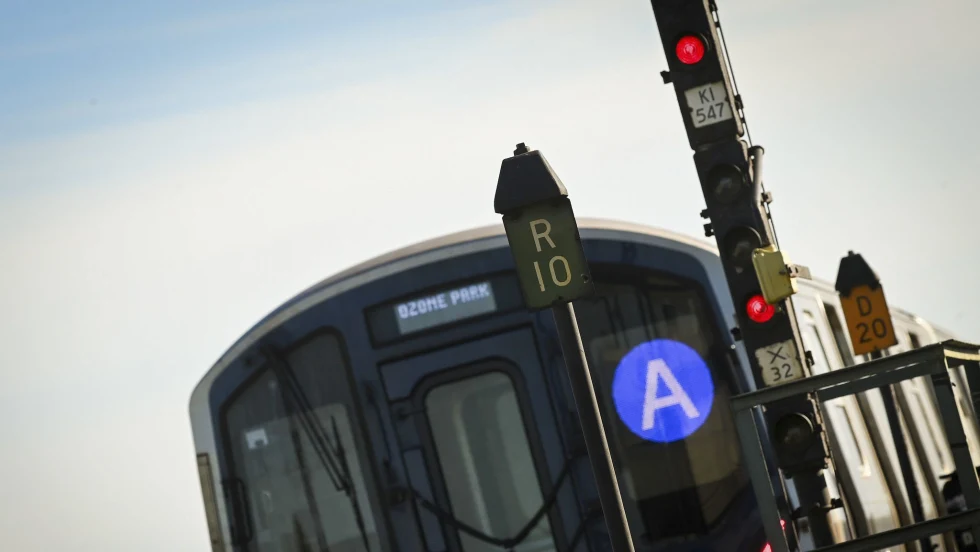
New York MTA Launches Historic $1.9B Signal, Track Modernization Project
Funded in part by congestion pricing revenue, the project will replace nearly century-old signals along the A and C lines in Brooklyn and Queens.
CSA Group Releases Climate Resilience Standard for Transit, Passenger Rail
Developed with support from the Standards Council of Canada, CSA D700 guides assessing climate-related risks and planning adaptation measures for transit and passenger rail systems.
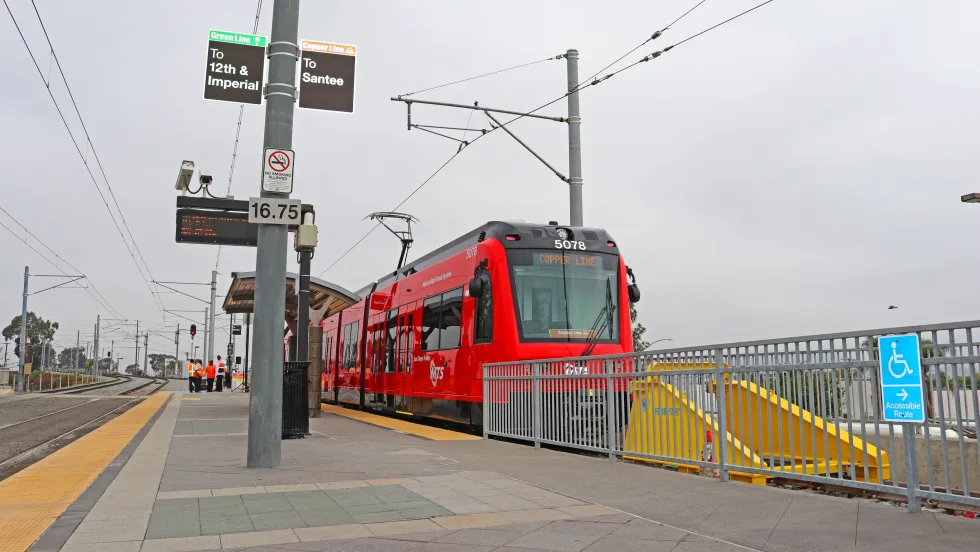
San Diego MTS Approves New Fare Evasion Penalty Program
The new administrative process will move eligible violations out of the criminal court system, cap penalties at $125, and provide flexible payment options for riders.

RTC of Southern Nevada Reports 29% Drop in Transit Operator Assaults
The agency credits expanded security measures, employee training, and technology investments for improvements in transit safety, while security officers have responded to 19 suspected overdoses since July.