



Transit Unions Announce 5 Key Policies to Protect Workers as U.S. Moves to Zero Emission Vehicles
The policies come on the heels of a global climate summit and promises made by President Biden to cut greenhouse gas emissions in half by 2030.
The policies outlined by labor leaders ensure that the adoption and use of greener vehicles does not come at the expense of protecting the needs of the public transit workers.
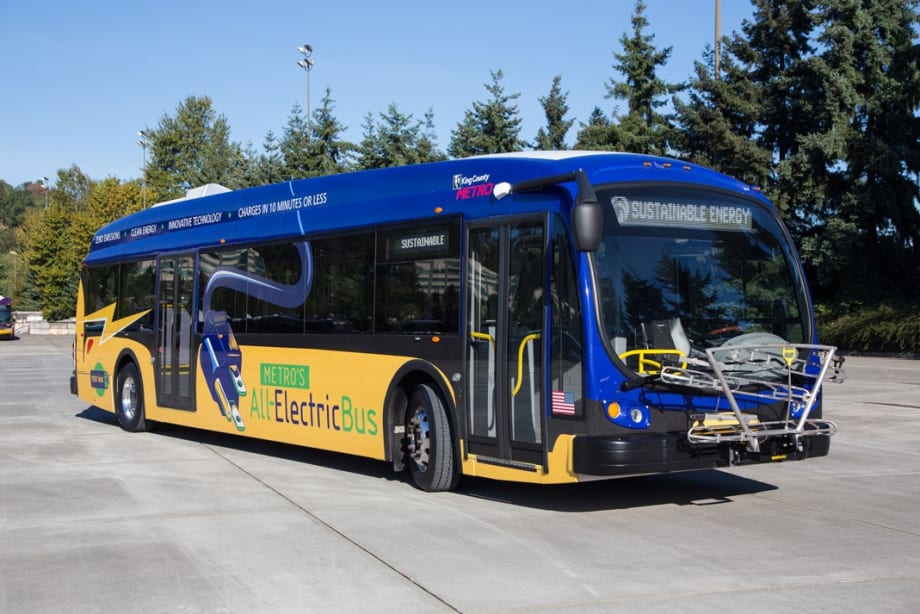
KC Metro
Union leaders representing America’s public transit workforce and the Transportation Trades Department, AFL-CIO (TTD), laid out five key policies Congress and the federal government must follow as the U.S. seeks to reduce its carbon footprint by transitioning to zero-emission vehicles, including battery-electric buses. The policies come on the heels of a global climate summit and promises made by President Biden to cut greenhouse gas emissions in half by 2030.
The policies outlined by labor leaders ensure that the adoption and use of greener vehicles does not come at the expense of protecting the needs of the public transit workers who will be working alongside, operating, and maintaining these new and emerging technologies — needs that transit union leaders say, so far, have largely been left out of policy discussions.
“As labor union leaders, we recognize the serious impacts from climate change and the severe consequences we face if we fail to reduce our carbon footprint,” said TTD President Greg Regan. “As with automation, however, discussions around the transition to greener vehicles too often focus solely on new technologies and fail to consider the impact changes will have on workers and the communities in which they live. By following the steps we have outlined today, policymakers can begin having more inclusive and pragmatic conversations, and ensure public transit workers have a seat at the table.”
The five key policies include:
1. Federally mandated rules and regulations that assess workforce impacts and labor standards, promote union membership and collective bargaining by transit workers, create career ladders and apprenticeship programs for transit workers, and ensure the manufacture and development of new technologies is done within the U.S., and that new jobs created come with union protections.
2. Required compliance with the aforementioned rules by private contractors.
3. Required workforce and community impact assessments in all zero-emission vehicle procurements.
4. The establishment of a national frontline workforce training center.
5. An assurance that workers are represented on technology and climate change taskforces, advisory councils, and other committees.
If policymakers fail to adopt these worker-first principles, transit union leaders warn of severe workforce impacts that could affect and disrupt entire transit systems. By way of example, transit union leaders point to one major U.S. transit agency where estimates show only 15% of bus mechanics are trained in using a voltmeter, a basic diagnostic tool for electric engines.
“Zero-emission buses, trains, and school buses can play a key role in fighting climate change. However, years of underinvestment and lack of policies on training programs for transit workers has been an underlying problem in this industry. The ATU has already been working with transit agencies to develop innovative Zero Emission Bus (ZEB) training and apprenticeship programs in San Jose and other communities to protect our members’ jobs and ensure that they are prepared to safely operate and maintain this new technology,” said Amalgamated Transit Union International President John Costa. “However, if policymakers do not invest in these workforce training programs now, transit agencies are likely to contract out this work leading to significant job loss and degradation in work and service.”
More Security and Safety

Transit Agencies Highlight Safety Gains at National Summit
Leaders from 15 major transit systems shared crime-reduction results and safety initiatives while discussing the role of continued federal support.
Read More →
DART Launches Major Security, Fare Enforcement Initiative
The 90-day demonstration will deploy coordinated security teams at five light rail stations while testing controlled access and gathering data to guide future investments.
Read More →
RTD Launches NextRide App to Consolidate Trip Planning, Fares, Security Reporting
The app expands on RTD’s existing NextRide web application and allows customers to view real-time vehicle locations and service alerts, purchase and store digital fares, and access customer support.
Read More →

TAPTCO Updates OSHA Compliance Training for Transit Maintenance Operations
The revamped program addresses 26 OSHA standards for maintenance facilities, with TAPTCO pointing to training, documentation, and everyday shop hazards as continuing challenges for transit operations.
Read More →
How VaporVision Adds Value to Transit Door Systems
Wabtec engineers explain how the system improves doorway detection, strengthens diagnostics and gives transit agencies and OEMs greater operating flexibility.
Read More →
FRA Announces $5.3B in Rail Investments, Including $2B for Amtrak
Funding will support grade-crossing improvements, infrastructure upgrades, and new Amtrak equipment in 23 states.
Read More →
Chicago, Maryland Expand Non-Law-Enforcement Safety, Rider Support
The CTA and MTA are launching new programs aimed at de-escalation, crisis response, rider assistance, and greater transparency.
Read More →
LA Metro, City of West Hollywood, and Partners Advance Smarter Bus Lane Enforcement
The award-winning partnership combines AI-powered detection with human oversight to improve bus reliability, accessibility, and enforcement efficiency.
Read More →
LA Metro Reports 57% Decline in Homelessness on Transit System Since 2024
The agency's latest homelessness count offers new data on how care-based services and cross-sector partnerships can complement traditional transit security strategies.
Read More →
FTA Launches 'Transit Moves America' Dashboard to Highlight Agency Safety and Performance
The online dashboard transforms National Transit Database information into a public-facing resource that allows users to compare transit agencies on key operational and safety metrics.
Read More →