




Read More: MARTA Board Approves Greenwood Contract
MARTA Awards Contract for New Automated Fare Collection System
MARTA has renewed its focus on Service, Experience, and Expansion, or SEE, and customers will see how user-friendly the new fare system is, allowing multiple methods of payment.
October 13, 2023
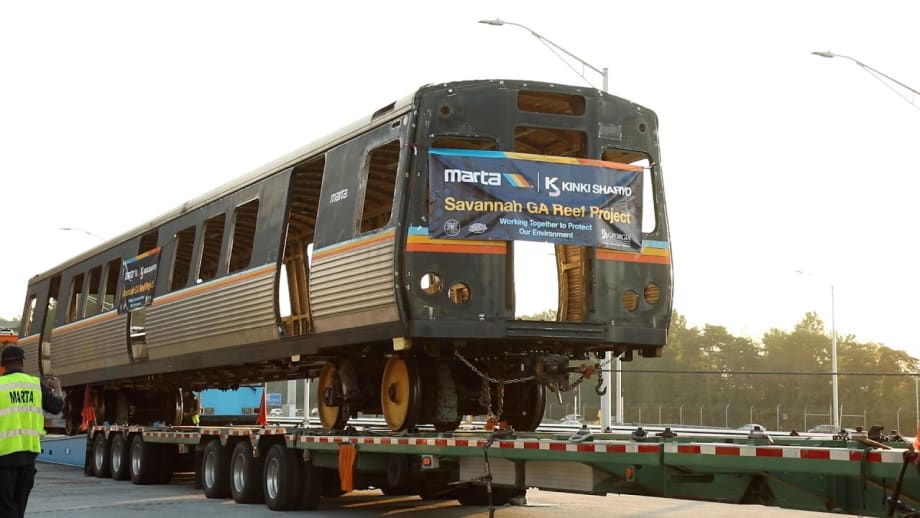
Eventually, AFC 2.0 will fully replace MARTA’s existing Breeze card and Breeze Mobile systems and will involve the replacement and upgrading of rail station fare gates and bus fareboxes throughout the system.
Photo: MARTA
3 min to read
The Metropolitan Atlanta Rapid Transit Authority (MARTA) Board of Directors announced it has awarded the contract for the installation of a new automated fare collection system (AFC 2.0) to Innovation in Transportation Inc., or INIT.
MARTA has renewed its focus on Service, Experience, and Expansion, or SEE, and customers will see how user-friendly the new fare system is, allowing multiple methods of payment, including debit and credit cards and mobile wallets directly at the fare gate without having to use a vending machine.
“First and foremost, this new, state-of-the-art fare collection system will improve service and provide customers with a better overall experience,” said MARTA GM/CEO Collie Greenwood. “And from our side, AFC 2.0 will allow us to further optimize our operations and increase farebox recovery. It’s a major win for both MARTA and our riders.”
MARTA's New Fare System
Eventually, AFC 2.0 will fully replace MARTA’s existing Breeze card and Breeze Mobile systems and will involve the replacement and upgrading of rail station fare gates and bus fareboxes throughout the system. The new automated fare system will be deployed over the next five years.
The new AFC 2.0 system will provide many benefits to MARTA and its customers, including:
A more convenient open payments system: Customers will be able to use their debit card, credit card, or mobile wallet, as well as a Breeze card, to pay the fare.
Upgraded faregates: The new faregates at each of MARTA’s 38 rail stations will be faster and more reliable.
More user-friendly ticket machines: Rail stations will also have new ticket vending machines that will be more dependable and will do things like provide exact change in bills rather than just coins.
Modernized bus fare boxes: MARTA’s buses will be outfitted with fare boxes with large digital screens and improved software that will speed up the boarding process.
An expandable system: The new system will bring in all transit modes, including bus, rail, MARTA Rapid, and the Atlanta Streetcar, which is currently on its own payment system. And regional transit partners can also be integrated quickly into the system.
A more adaptable system: The AFC 2.0 system is “open-architecture,” allowing a variety of software and apps, such as trip-planning apps, to connect to the MARTA system.
Improved ability to customize pricing: The system will allow MARTA to be nimble and flexible with pricing, whether it’s for employer programs, senior or student rider discounts, or for special events and promotions.
An expansive retail network: Cash customers will be able to load their Breeze cards at the checkout lines of as many as 240 retail locations. Currently, MARTA’s cash customers must first travel to a rail station or justice center to reload their Breeze cards.
More New Mobility

From Hardware to Digital Partner: Luminator Charts Its Next Chapter
CEO Magnus Friberg discusses Luminator’s shift toward becoming a digital partner, the growing importance of software and interoperability, and how AI can help agencies improve operations and passenger experience.
Read More →
Biz Briefs: Alstom Lands Canadian Contract, LYT to Supply California TSP, and More
In METRO's latest installment, we take a look at recent news from Complete Coach Works, Beep, FlixBus, and more partnerships making headlines across the transportation sector.
Read More →
CharterUP’s Armir Harris on Technology, AI, and the Future of Group Mobility
In a recent episode of METROspectives, CharterUP Founder/CEO Armir Harris discussed the company’s evolution from an online charter bus marketplace into a technology platform supporting public- and private-sector mobility and much more.
Read More →
Jacksonville’s NAVI Project Charts a New Course for Autonomous Public Transportation
Through its NAVI program, JTA is showing how autonomous vehicles, intelligent infrastructure, and coordinated operations can work together to deliver everyday public transportation.
Read More →
Biz Briefs: Luminator Marks Milestone and More
From manufacturers and suppliers to transit agencies and motorcoach operators, these updates offer a snapshot of the projects, partnerships and business moves driving the industry forward.
Read More →
New Tricks for Old Bureaucracies: Joshua Schank on Making Transit Innovation Stick
Former LA Metro Chief Innovation Officer Joshua Schank discusses why good ideas aren't enough, how transit agencies can overcome resistance to change, and why today's challenges demand more innovation.
Read More →
How DART's GoPass Is Redefining Regional Mobility
Serving 14 transit agencies, GoPass simplifies multimodal travel by allowing riders to plan, pay for, and manage an entire trip through one app.
Read More →
Biz Briefs: OCTA Taps Clean Energy for Hydrogen Station, Stadler to Supply Via Rail Vehicles, and More
From manufacturers and suppliers to transit agencies and motorcoach operators, these updates offer a snapshot of the projects, partnerships and business moves driving the industry forward.
Read More →CharterUP Expands Into New Mobility and Autonomous Transportation
Vice President of New Mobility Stephen Joos discusses how CharterUP is leveraging its nationwide transportation network, technology platform, and autonomous vehicle partnerships to expand into workforce mobility, campus shuttles, and transit solutions.
Read More →
METRO Magazine Announces 2026 Innovative Solutions Awards Winners
Projects Recognized for Advancing Mobility Through Technology, Accessibility, Workforce Innovation, and Operational Excellence
Read More →