



BC Transit expands CCTV camera implementation
Overall, 373 medium- and heavy-duty buses have had cameras installed as part of a project supported by the Public Transit Infrastructure Fund.

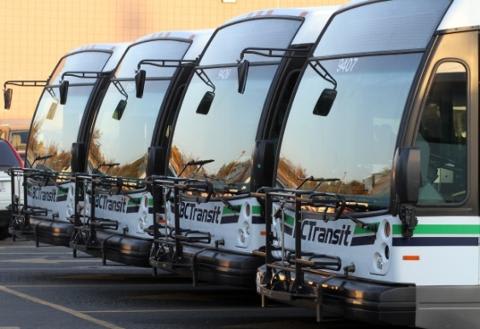
In an effort to improve safety on board Canada’s BC Transit buses, over 600 buses across the province now have closed circuit television (CCTV) cameras.
Overall, 373 medium- and heavy-duty buses have had cameras installed as part of a project supported by the Public Transit Infrastructure Fund (PTIF). The other approximate 230 buses with CCTV cameras are new buses delivered with the technology already installed. The remainder of the BC Transit fleet will have cameras installed in new buses as they are replaced over the coming years.
In B.C., the PTIF represents a partnership between Canada, the Province, and local governments to support investments in municipal transit systems. The CCTV installation is part of a series of technology enhancements on BC Transit buses worth approximately $11 million. Other improvements will include Automated Passenger Counters, to provide a more accurate picture of ridership and allow planners to maximize resources, and NextRide real-time transit information, to help riders plan their trips efficiently.
The cameras have already proven themselves: since the pilot program started in 2015, BC Transit has used CCTV footage to support investigations almost 3,500 times. This includes over 360 police investigations.
“We place the highest priority on safety. The installation of CCTV cameras demonstrates our commitment to safety to our staff and customers,” says BC Transit CEO/President Erinn Pinkerton. “Anything that can deter incidents or assist in investigations is a welcome enhancement for our service.”
Over the past five years, BC Transit has made significant investments in both training and tools for its transit safety system, which includes: closed circuit television (CCTV) cameras, driver training to diffuse situations, partnerships with first responders, enhanced communication technology on board the bus, and a proof of concept for a full driver door.
Each bus has four to eight cameras recording events in the interior. As well, a high-definition camera in the driver’s compartment records events in front of the bus and two more cameras will watch the outside of the bus. Cameras are not monitored live, but video files are encrypted and stored on hard drives for up to seven days, required for investigation purposes.
More Security and Safety

Transit Agencies Highlight Safety Gains at National Summit
Leaders from 15 major transit systems shared crime-reduction results and safety initiatives while discussing the role of continued federal support.
Read More →
DART Launches Major Security, Fare Enforcement Initiative
The 90-day demonstration will deploy coordinated security teams at five light rail stations while testing controlled access and gathering data to guide future investments.
Read More →
RTD Launches NextRide App to Consolidate Trip Planning, Fares, Security Reporting
The app expands on RTD’s existing NextRide web application and allows customers to view real-time vehicle locations and service alerts, purchase and store digital fares, and access customer support.
Read More →

TAPTCO Updates OSHA Compliance Training for Transit Maintenance Operations
The revamped program addresses 26 OSHA standards for maintenance facilities, with TAPTCO pointing to training, documentation, and everyday shop hazards as continuing challenges for transit operations.
Read More →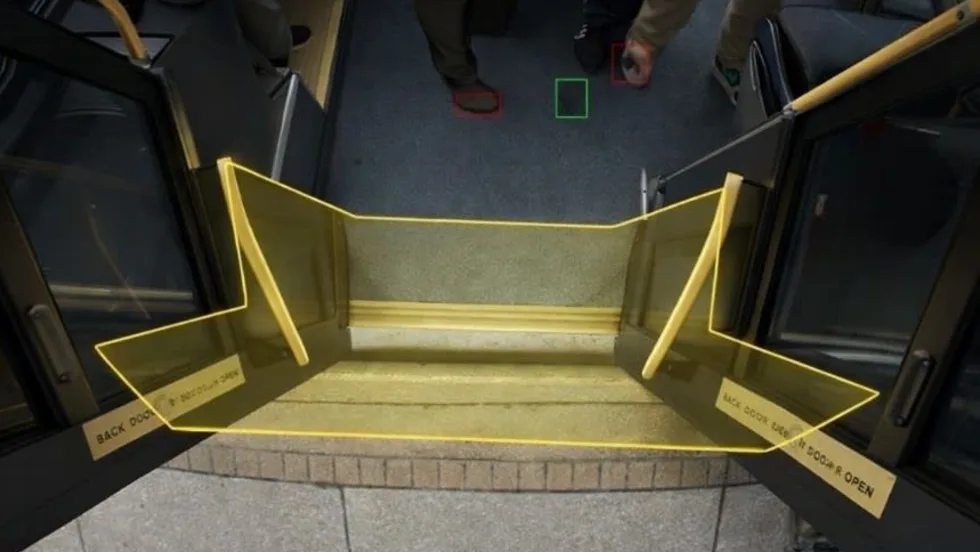
How VaporVision Adds Value to Transit Door Systems
Wabtec engineers explain how the system improves doorway detection, strengthens diagnostics and gives transit agencies and OEMs greater operating flexibility.
Read More →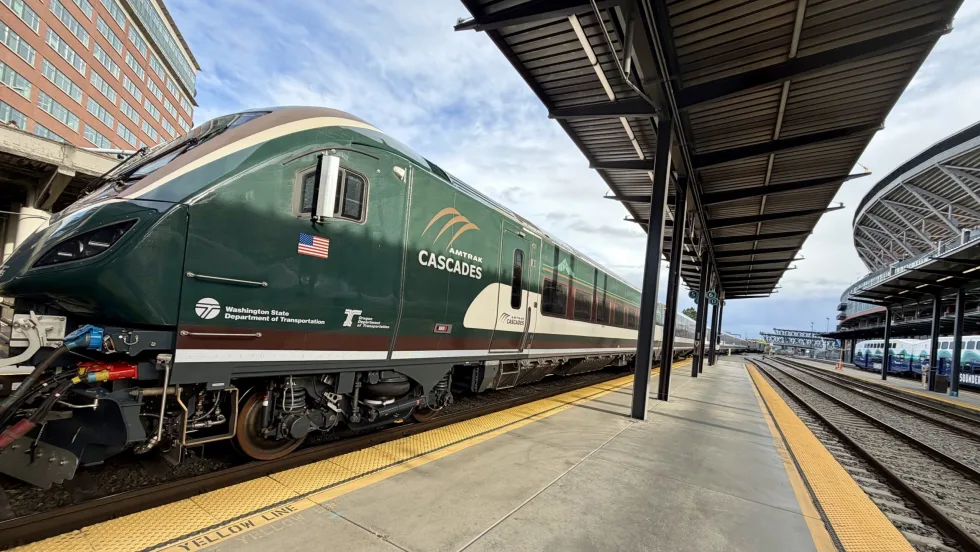
FRA Announces $5.3B in Rail Investments, Including $2B for Amtrak
Funding will support grade-crossing improvements, infrastructure upgrades, and new Amtrak equipment in 23 states.
Read More →
Chicago, Maryland Expand Non-Law-Enforcement Safety, Rider Support
The CTA and MTA are launching new programs aimed at de-escalation, crisis response, rider assistance, and greater transparency.
Read More →
LA Metro, City of West Hollywood, and Partners Advance Smarter Bus Lane Enforcement
The award-winning partnership combines AI-powered detection with human oversight to improve bus reliability, accessibility, and enforcement efficiency.
Read More →
LA Metro Reports 57% Decline in Homelessness on Transit System Since 2024
The agency's latest homelessness count offers new data on how care-based services and cross-sector partnerships can complement traditional transit security strategies.
Read More →
FTA Launches 'Transit Moves America' Dashboard to Highlight Agency Safety and Performance
The online dashboard transforms National Transit Database information into a public-facing resource that allows users to compare transit agencies on key operational and safety metrics.
Read More →