




Report: Best (and Worst) Cities for Commuting on Public Transportation in the U.S.
BRT Systems Named Best Bus Lines in the U.S.
Los Angeles, Cleveland, Las Vegas, Eugene, Ore., and Pittsburgh were rated as the nation’s leading cities for bus-based transportation because of their high-quality bus rapid transit systems.
May 27, 2011
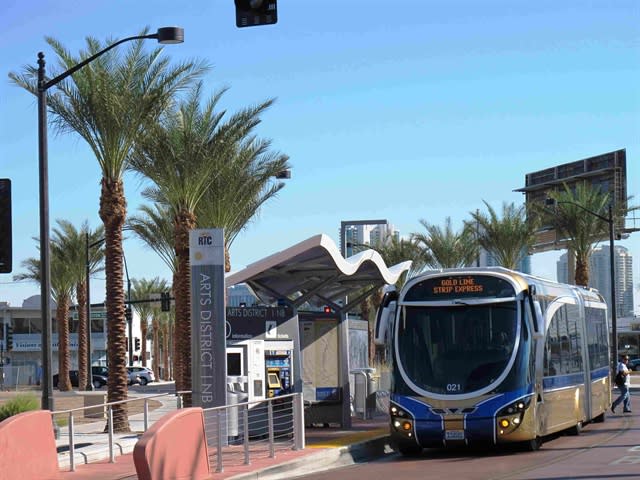
The Regional Transportation Commission of Southern Nevada's MAX bus rapid transit system connects downtown Las Vegas, the Las Vegas Convention Center, the Strip, Henderson and North Las Vegas.
Photo: MAX
4 min to read
Los Angeles; Cleveland; Las Vegas; Eugene, Ore.; and Pittsburgh were rated as the nation’s leading cities for bus-based transportation because of their high-quality bus rapid transit systems (BRT), according to a new independent study, issued by the Institute for Transportation and Development Policy (ITDP).
BRT combines the flexibility of buses with the speed and priority of light rail, but at a fraction of the cost of rail. The study rates three new BRT systems currently in planning in the San Francisco Bay Area; Montgomery County, Md.; and Chicago as the best prospects to achieve an even higher “gold-standard” BRT, something that does not currently exist in the U.S.
“These systems are poised to redefine how Americans see and use buses, critical at a time of increasingly scarce transportation funding,” says Walter Hook, ITDP executive director. “But based on what we’ve seen in our work in cities around the world, we think there’s still more that could be done. Getting at least one truly world-class BRT system built in the U.S. could inspire cities around the country to rethink the way they use buses in the fight against increasing traffic congestion and rising fuel prices.”
Transit ridership in the U.S. is at a five-decade record high, with buses accounting for over half of those trips. But according to APTA, U.S. buses travel at a nationwide average speed of 12.5 mph, with passengers often having to contend with limited service frequency and with buses that don’t always run according to schedule.
These unforeseen delays and slow speeds are a result of a number of factors including traffic congestion and boarding delays, but as shown in ITDP’s new report, "Recapturing Global Leadership in Bus Rapid Transit," they can be addressed, making buses a fast and efficient mode of transportation once more.
The report finds that some U.S. cities already have high-quality BRT including:
Los Angeles: The Orange Line offers a separated busway, off-board fare collection, and buses arriving every four minutes in rush hour to provide high-quality service and attract new passengers, carrying 22,000 passengers a day.
Cleveland: The HealthLine has dedicated bus lanes, off-board fare collection, and at-level boarding, and has resulted in average time savings of 12 minutes from end-to-end of the route. Ridership is up 60 percent as compared to the bus line that previously served the corridor and it is spurring new development along the corridor.
Eugene, Ore.: The Emerald Express (EmX) has off-board fare collection and near-level boarding making it quicker and easier to hop on. Dedicated right-of-way through Eugene’s most congested areas, signal priority, improved station design and wide stop spacing make buses 30 percent faster than before.
Las Vegas: A network of BRT routes connects residents from low-density neighborhoods to jobs and destinations in the busy downtown, using dedicated bus lanes. The entire system has off-board fare collection and high-quality station design, making it an attractive option.
Pittsburgh: The East Busway is a separated busway, enabling buses to reach speeds of up to 35 mph. It is unique in that it includes multiple routes (both local and express) that minimize transfers, resulting in bus frequencies of every two minutes during peak hours.
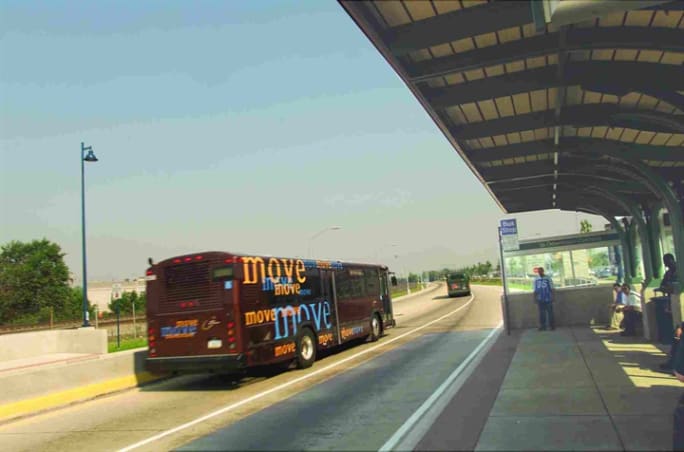
The Port Authority of Allegheny County's Martin Luther King Jr. East Busway has been providing BRT service to Downtown Pittsburgh, the East End neighborhoods of Pittsburgh and the eastern suburbs of Allegheny County since February 1983.
Photo: Port Authority of Allegheny County
Three cities have BRT systems on the horizon, which may reach “gold standard” including:
Chicago: Incoming Mayor Rahm Emmanuel made BRT a cornerstone of his campaign platform and his transition plan promises that “maximum impact will be achieved by dedicated bus lanes, signal preemption, pre-paid boarding or on-board fare verification, multiple entry and exit points on the buses, limited stops and at-grade boarding.”
Montgomery County, Md.: A recently-released feasibility study conducted by the County’s Department of Transportation estimates that a 150-mile BRT system, with high-level boarding, special stops, high frequency service and reserved lanes in some areas could increase transit ridership by 11 percent, taking 85,000 cars off the congested roadways in the Washington, D.C. area. The system could be in place by as early as 2014.
San Francisco Bay Area, Calif.: The Bay Area has several bold BRT projects on deck. The city of San Francisco is planning two BRT lines to modernize two very congested bus corridors downtown. The East Bay is moving forward with a high-quality BRT plan through the highest-demand streets in Oakland and San Leandro. These initiatives will help to redefine transit throughout the Bay Area.
Recapturing Global Leadership in Bus Rapid Transit documents the challenges that these and other cities face in implementing BRT, including lack of public awareness of BRT, lack of political will for building bus-based transit, and outdated traffic design standards that sometimes hinder system design and implementation.
The report suggests that a clearer and more widely-accepted definition of what BRT is would increase public understanding of and demand for this high-quality transportation option. The report outlines the BRT Standard, a first-generation attempt at defining a scoring system (along the lines of the LEED rating system for green buildings), which ranks BRT systems as gold, silver or bronze.
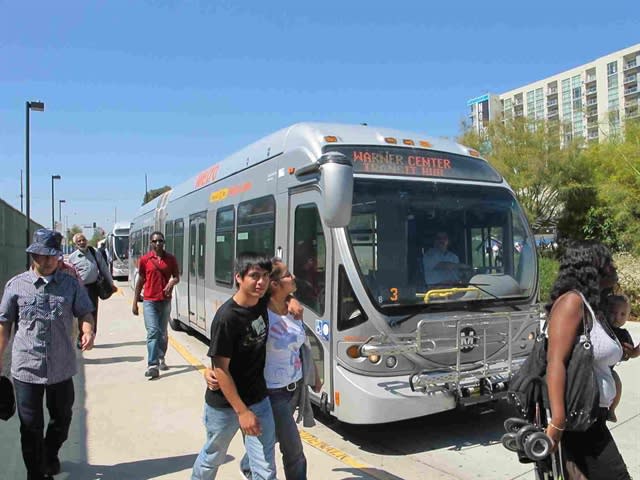
The Los Angeles County Metropolitan Transportation Authority's Orange Line opened on October 29, 2005.
Photo: Los Angeles County Metropolitan Transportation Authority
The report was funded by a grant from the Rockefeller Foundation.
More Bus
Frontrunner Bus Group Expands with New Massachusetts Headquarters
The significantly larger facility will provide the infrastructure needed to support the company’s growing workforce, advanced technologies, and expanding product line.
Read More →
Joshua Schank on Transportation Innovation, Risk, and the Future of Mobility
In this edition of METROspectives, Joshua Schank discusses lessons from launching LA Metro’s Office of Extraordinary Innovation, the challenges of advancing new mobility technologies, and much more.
Read More →
Reinventing Fleet Maintenance with Real-time Visibility and AI
Transit leaders need to know what needs fixing, where to look, who is responsible, when work is completed, and what it costs without having to chase information across disconnected systems.
Read More →
SamTrans Sets Priorities for Potential Connect Bay Area Revenue
The board-approved framework allocates future funding to maintaining service, rider improvements, equity initiatives, and infrastructure repairs.
Read More →
When Routine Fails: How Public Transit Must Adapt for the World Cup
The 2026 FIFA World Cup will test transit agencies’ ability to manage unpredictable travel patterns, making real-time data and operational flexibility critical to moving millions of visitors efficiently.
Read More →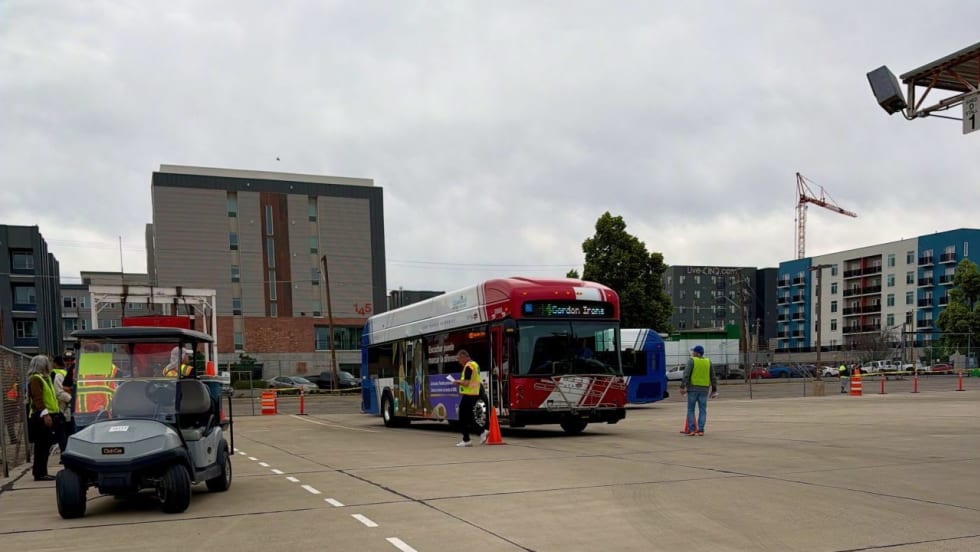
Photo Highlights from APTA's 2026 Mobility Conference
The photo gallery captures scenes from the conference, including the International Bus Roadeo, exhibit hall activities, the Bus Showcase, and much more.
Read More →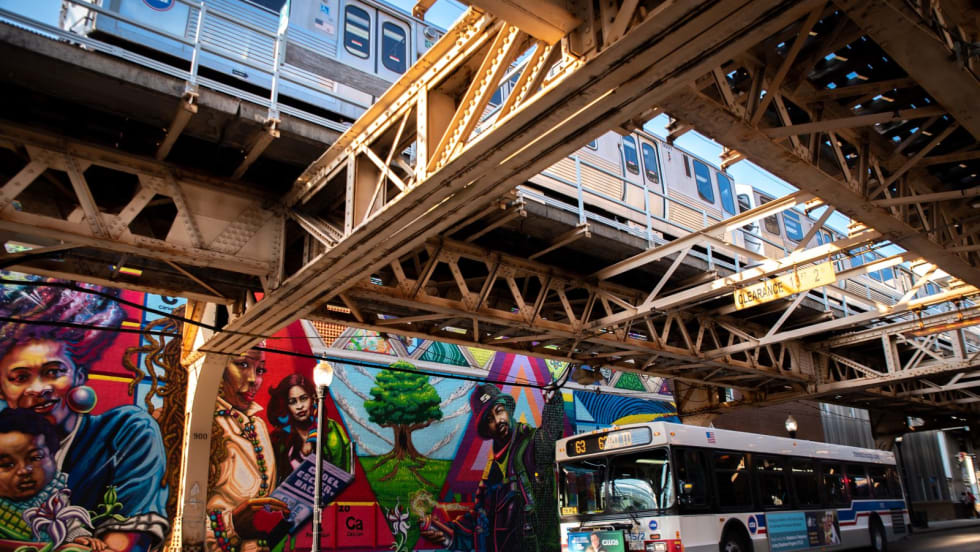
Chicago's NITA Act Moves Into Next Phase as Service Improvements Begin
Rider-focused improvements will begin rolling out across the system immediately as CTA, Metra, and Pace increase service this summer in the six-county region.
Read More →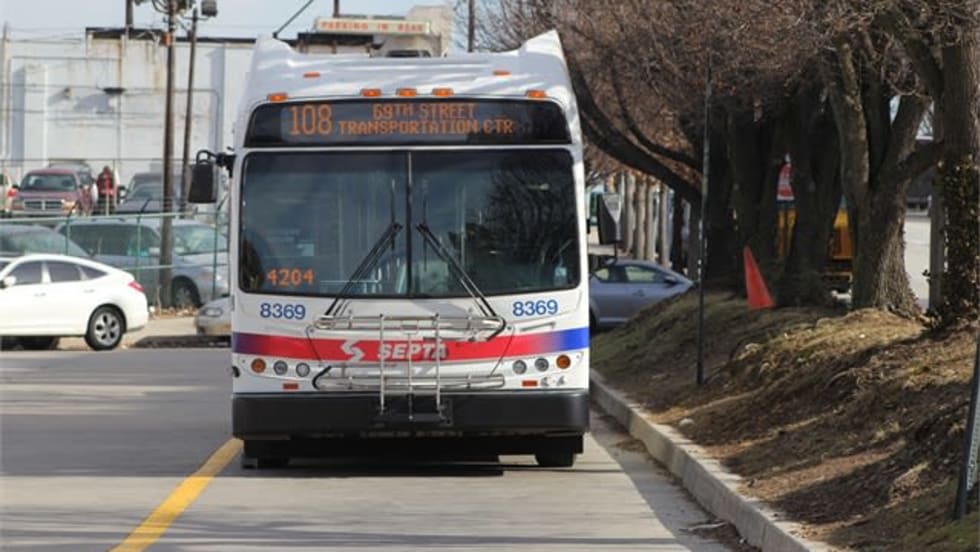
Philadelphia's SEPTA Approves Annual Transit Service Plan
Between 2021 and 2024, SEPTA held more than 200 public meetings — including 144 in-person sessions — throughout the SEPTA service region.
Read More →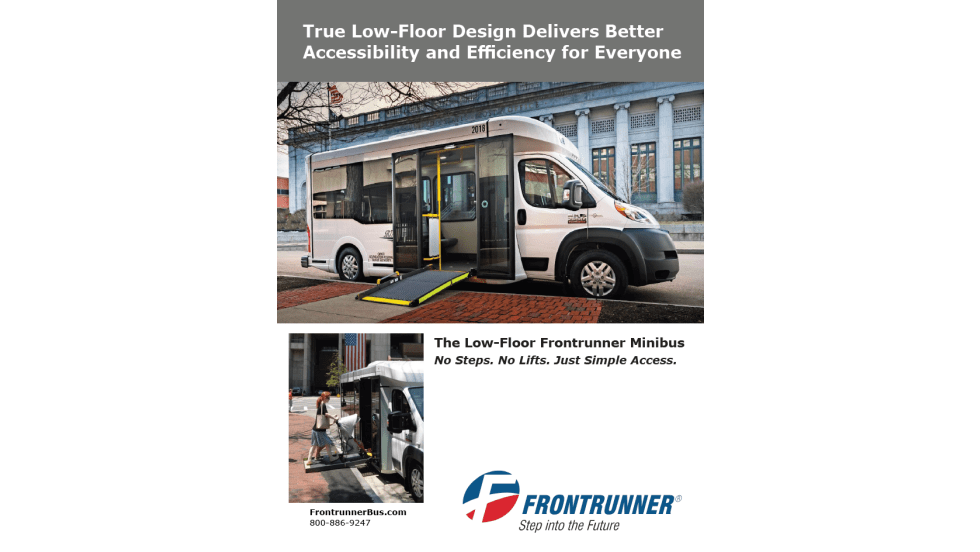
Sponsored•June 1, 2026
A True Low-Floor Minibus Design Delivers Better Accessibility and Efficiency for Everyone
As transit demands evolve, so should your fleet. Download the whitepaper to see how the Low-Floor Frontrunner Minibus compares to traditional options.
Read More →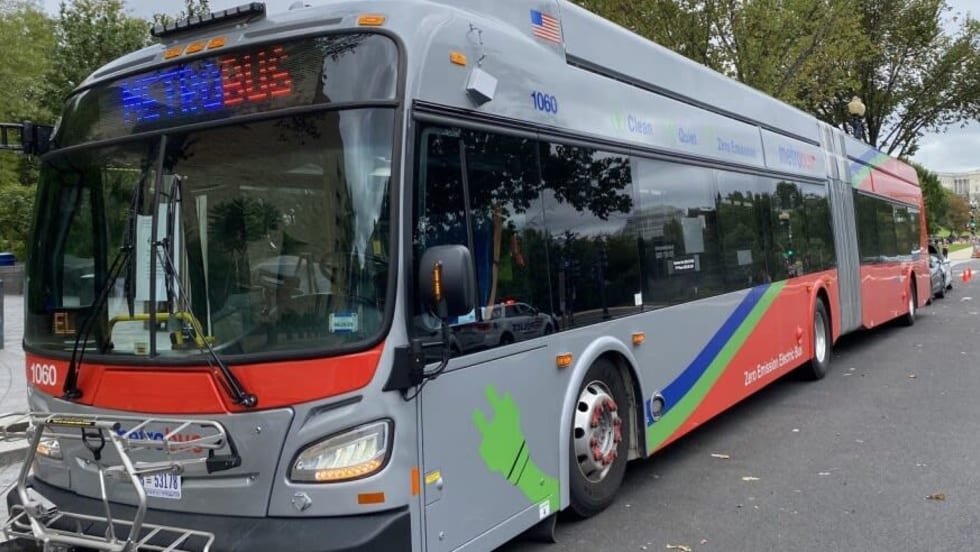
WMATA Debuts 'Fares Pay for Service' Awareness Campaign
The campaign was highlighted during a media event at the Paul S. Sarbanes Transit Center in Silver Spring, where WMATA’s GM/CEO Randy Clarke joined Metro Transit Police officers, WMATA management team, board members, and staff to expand fare enforcement and customer education efforts on Metro Bus routes throughout the region.
Read More →