



Metra unveils new line schedule allowing for PTC operation
Under PTC, the crew of a train must initialize the system (enter train and route information) before each individual run.

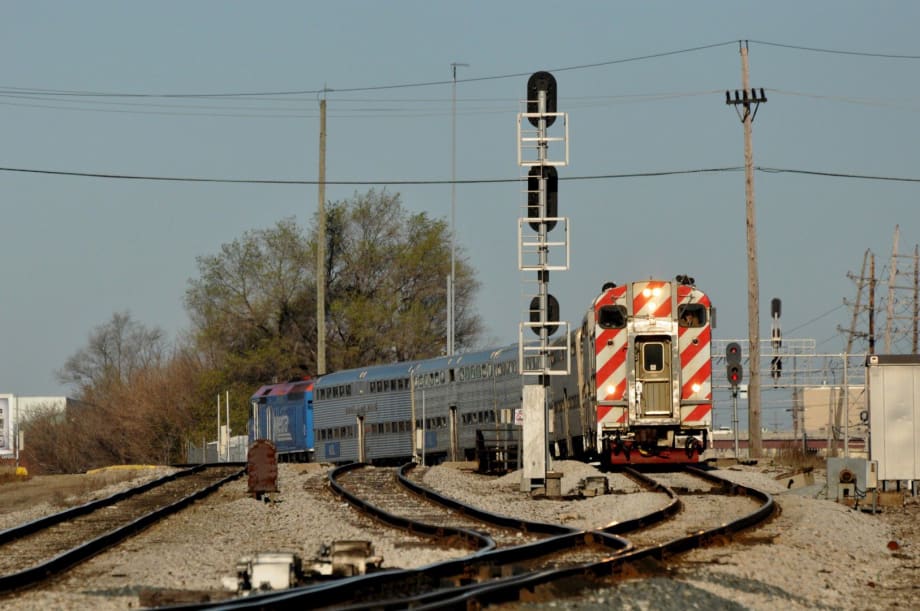
Metra is responsible for creating the back-office system for positive train control and installing the equipment on board all Metra trains and along the tracks of the five routes it control. Photo: Metra

Metra unveiled a new Rock Island Line schedule that includes changes necessary for the new positive train control (PTC) safety system, as well as some service enhancements such as new express trains. The new schedule will start on a trial basis on Jan. 28.
In crafting the new schedule, Metra considered the comments of more than 800 people who emailed the agency about the initial proposed schedule and made adjustments where possible.
The pilot schedule will go into effect on Jan. 28 and operations and ridership patterns will be evaluated over the next few months.
Under PTC, the crew of a train must initialize the system before each individual run. This includes entering information about the size and makeup of the train (because its weight affects its stopping distance) and any other details about conditions along the route (such as work zones or speed restrictions) that could affect the safe operation of the train. The initialization process is expected to take about six minutes.
To handle as many passengers as it does during the morning rush period, Metra must quickly turn trains around at downtown stations and send them back out to make more inbound trips. The same applies to the evening rush period, as trains complete their trips to the suburbs and turn back to pick up more customers downtown. Metra calls this process “flipping” a train, and it will take longer because of PTC.
To flip a train, the engineer must move from the cab car to the locomotive or vice versa, and the crew must clear the train, perform a brake test and conduct a job briefing. With the added task of initializing the PTC system, these “flips” are expected to take more than 10 minutes, so the schedule of about a dozen trains were adjusted, and those changes, in turn, affected other trains on the schedule.
Metra is responsible for creating the back-office system and installing the equipment on board all Metra trains and along the tracks of the five routes it controls (Metra Electric, Rock Island, SouthWest Service and the Milwaukee District West and North). The freight companies that own the other six lines — BNSF Railway (the BNSF Line), Union Pacific Railroad (the three UP lines) and CN Railroad (Heritage Corridor and North Central Service) — are responsible for the trackside equipment and back offices for those routes.
PTC is already fully operational on the BNSF Line, and UP has begun implementation on its three lines. PTC will start on other Metra lines in 2019 and 2020. Similar schedule changes will be needed on other lines with tight flips as PTC is implemented.
More Security and Safety

FTA Launches 'Transit Moves America' Dashboard to Highlight Agency Safety and Performance
The online dashboard transforms National Transit Database information into a public-facing resource that allows users to compare transit agencies on key operational and safety metrics.
Read More →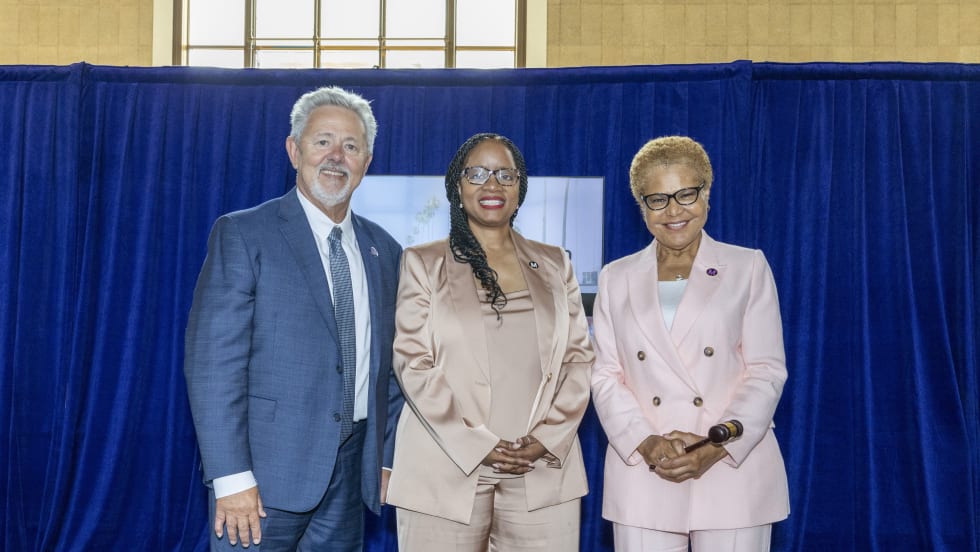
LA Metro Marks Banner Year, Sets Ambitious Goals for New Fiscal Year
Incoming LA Metro Board Chair and Los Angeles Mayor Karen Bass joined outgoing Board Chair Fernando Dutra and LA Metro CEO Stephanie Wiggins to review accomplishments from fiscal year 2026, which included the opening of new rail extensions, advancement of major transit projects, expanded safety programs, and new rider amenities.
Read More →
Building the Next Generation of Transit Technology
In this edition of METROspectives, Luminator CEO Magnus Friberg discusses the company's transformation, the growing role of AI and software, and what's next for transit technology.
Read More →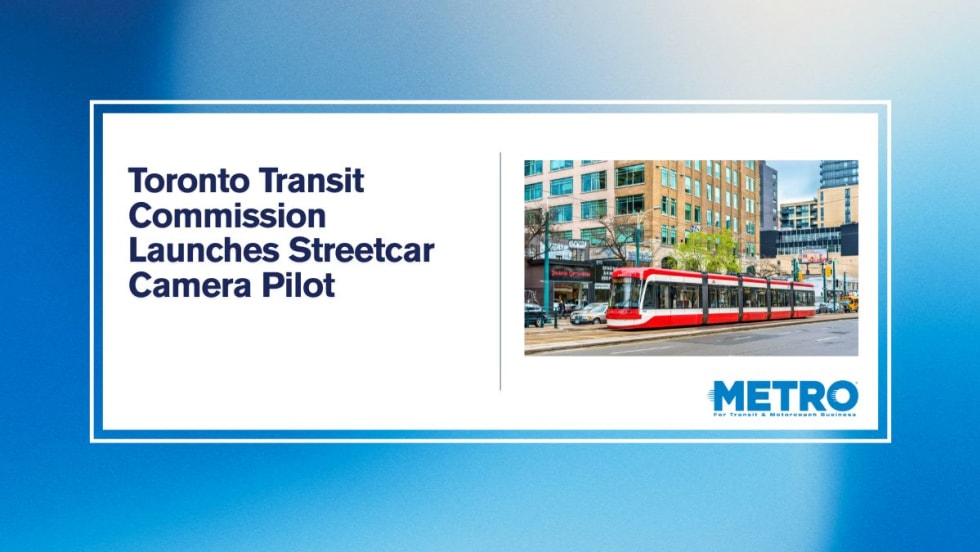
TTC Launches Camera Pilot to Curb Illegal Passing of Streetcars
During the pilot, the cameras will measure how often illegal streetcar passing occurs and test the technology's reliability for future automated enforcement.
Read More →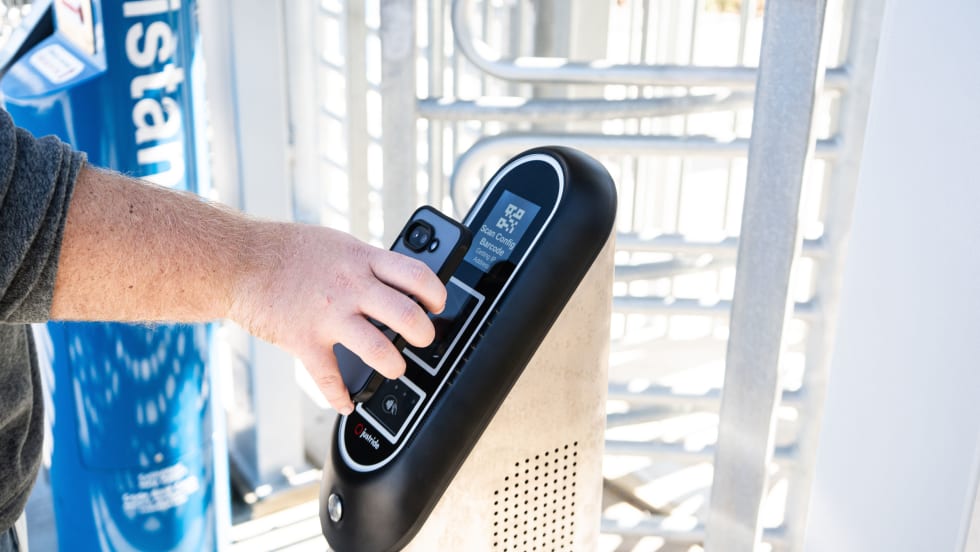
Biz Briefs: Masabi Teams with St. Louis Metro and More
In METRO's latest installment, we take a look at recent news from Transdev, Hitachi, and more partnerships making headlines across the transportation sector.
Read More →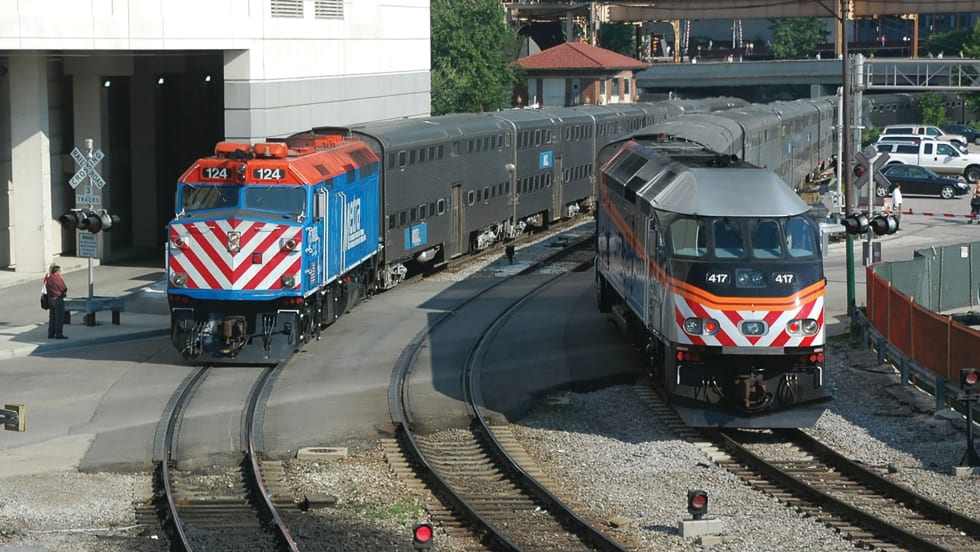
Metra Begins Drone Pilot Project to Boost Safety and Security
The project is funded through a $620,000 grant from FEMA’s Transit Security Grant Program, which provides transit agencies with funding for projects intended to protect critical transportation infrastructure and the traveling public.
Read More →
Building the Next Generation of Transit Technology
In this edition of METROspectives, Luminator CEO Magnus Friberg discusses the company's transformation, the growing role of AI and software, and what's next for transit technology.
Read More →
APTA Recognizes Excellence in Rail Safety and Security at 2026 Rail Conference
Nominations are evaluated on four criteria: effectiveness, benefit level, innovation, and transferability.
Read More →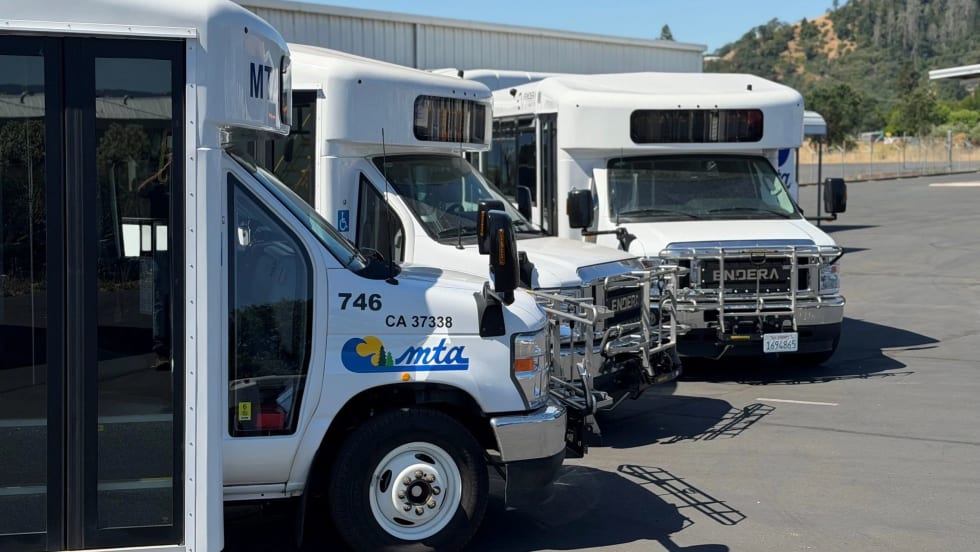
Biz Briefs: Endera Delivers to California, Safety Vision Teams with San Antonio's VIA, and More
From manufacturers and suppliers to transit agencies and motorcoach operators, these updates offer a snapshot of the projects, partnerships and business moves driving the industry forward.
Read More →
The Role of AI in Public Safety for Smart Transit Systems
As transit systems generate more data than ever, AI-powered safety tools are helping agencies detect incidents faster, improve response times and enhance situational awareness.
Read More →