



DATTCO: Focused on a rock-solid operation with a family-like atmosphere
The family atmosphere is crucial to DATTCO’s success, according to Owner Don DeVivo, who runs the third-generation business with his two sons.
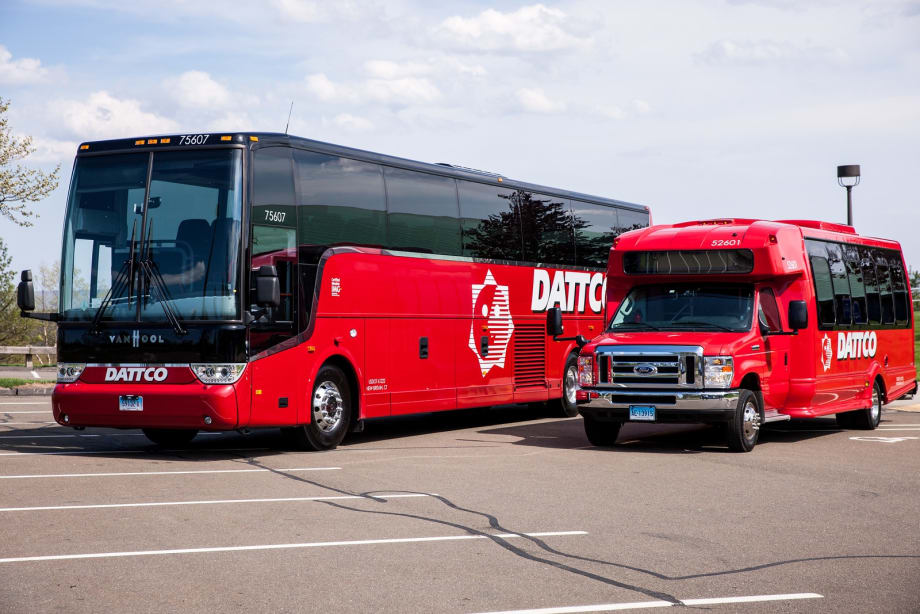
The family atmosphere is crucial to DATTCO’s success, according to Owner Don DeVivo, who runs the third-generation business with his two sons. Now a $180 million company, DeVivo’s father started DATTCO with just one school bus back in 1949, around the same time his parents met. Coincidentally, the couple had met on a school bus; it’s an occurrence DeVivo humorously assumes was fate.
“My dad was driving the school bus and she was chaperoning a basketball team and that’s how they met, so I guess I wouldn’t be here if it wasn’t for school buses,” he says.
Jokes aside, DeVivo is very serious about the business, which was actually founded in 1924 as MASTCO, and bought out by the first generation of DeVivos in 1964. The company now owns over 1,447 school buses and a total of 1,649 revenue vehicles with 27 locations that operate in Connecticut, Rhode Island, and Massachusetts.
“Much of our key management staff has been here for over 30 years. We’re a very cohesive group with lots of industry knowledge, so the ability of the staff has definitely helped us grow the company,” DeVivo says.
DATTCO offers its own training program for drivers and mechanics, something that attracts those interested and allows them to easily get the certifications they need. DeVivo stresses that the company supports their staff however they can.
“The idea is to make DATTCO comfortable for everyone who works here, so we do everything we can to attract and retain drivers and mechanics by offering them training and skills,” DeVivo says. “For mechanics, we have training program for one year and they’re taught everything about how to be a diesel tech, from electrical to brakes to how to weld, and after they’ve completed the year-long program, they work in our shops with our master techs.”
DATTCO also offers skills and training to its drivers such as the CDL certification, as well as ongoing training once they’re hired. In addition to training, DATTCO offers employees incentives to do well, whether it be with a pizza party for a month without at-fault accidents, or a “Top Shop” award given to the location with the highest safety score. They’ve implemented technological changes to ensure safety as well, like accident event recorders and GPS tracking. The company also took part in a program with the University of Vermont, which focused on becoming environmentally friendly.
“Millennials have embraced bus transportation because it’s green and it’s convenient so we’re seeing this resurgence of young people who are utilizing us as a resource,” he says. “Going green in a big change and emphasis for our company right now, and it’s important to promote the growth of our industry and make it stronger.”
From college campus shuttles to travel tours of Niagara Falls, DeVivo says he is “happy in our little corner of the world,” better known as Southern New England. DATTCO is the region’s most diverse provider of passenger transportation and has an annual mileage of over 25 million.
“I call it controlled growth, because we’ve increased our number of vehicles and employees, but we’ve stayed tight as far as geographic area,” he says. “We’ve been growing at a very substantial rate in both our school bus and motorcoach division and I credit everyone who works here.”
More Motorcoach

METRO Opens Submissions for 2026 Motorcoach Awards
Nominations are now being accepted for METRO Magazine’s Operator of the Year and Innovative Operator of the Year awards.
Read More →
Biz Briefs: Alstom Lands Canadian Contract, LYT to Supply California TSP, and More
In METRO's latest installment, we take a look at recent news from Complete Coach Works, Beep, FlixBus, and more partnerships making headlines across the transportation sector.
Read More →
Biz Briefs: RIPTA Unveils New Frontrunners, Clevland RTA Adds New Siemens, and More
In METRO's latest installment, we take a look at recent news from Siemens, Prevost, Dodge, and more partnerships making headlines across the transportation sector.
Read More →
People Movement: Holly Arnold Joins Transdev and More
In this edition, we also cover recent appointments and announcements at Pace, CamTran, MCI, and more, showcasing the individuals helping to shape the future of transportation.
Read More →
ABA Report: Motorcoach Travel Generates $161.6B Economic Impact
The 2025 analysis finds motorcoach travel supported nearly 900,000 jobs and generated $28 billion in federal, state, and local taxes.
Read More →
CharterUP’s Armir Harris on Technology, AI, and the Future of Group Mobility
In a recent episode of METROspectives, CharterUP Founder/CEO Armir Harris discussed the company’s evolution from an online charter bus marketplace into a technology platform supporting public- and private-sector mobility and much more.
Read More →
People Movement: ABC Names John Walsh as Chief Commercial Officer
In this edition, METRO also covers recent appointments and announcements at the DART, STV, and more, showcasing the individuals helping to shape the future of transportation.
Read More →
From Surviving to Thriving: Building Stronger Transportation Organizations
Bus Business Consultants founder Brian Dickson shares lessons on leadership, organizational health, and creating options for long-term success in a changing transportation industry.
Read More →
Biz Briefs: Luminator Marks Milestone and More
From manufacturers and suppliers to transit agencies and motorcoach operators, these updates offer a snapshot of the projects, partnerships and business moves driving the industry forward.
Read More →
ABAF Study Reveals Growing Insurance Crisis for Motorcoach Operators
Preliminary findings show 98% of operators faced premium increases over the past five years, while shrinking insurer participation is putting added pressure on businesses and customers.
Read More →