



Rail agencies adopt FRA's system for reporting close calls
Close calls are safety-related issues or concerns, which could be anything from a passenger car door that opened on the wrong side of a train to a distracted conductor who was almost struck by a car being coupled in a rail yard.
Amtrak Russ

Amtrak Russ
Many rail agencies are beginning to voluntarily implement the Federal Railroad Administration’s (FRA) Confidential Close Call Reporting System (C3RS). The program allows employees on any railroad to report “close calls” anonymously without fearing retribution.
Close calls are safety-related issues or concerns, which could be anything from a passenger car door that opened on the wrong side of a train to a distracted conductor who was almost struck by a car being coupled in a rail yard.
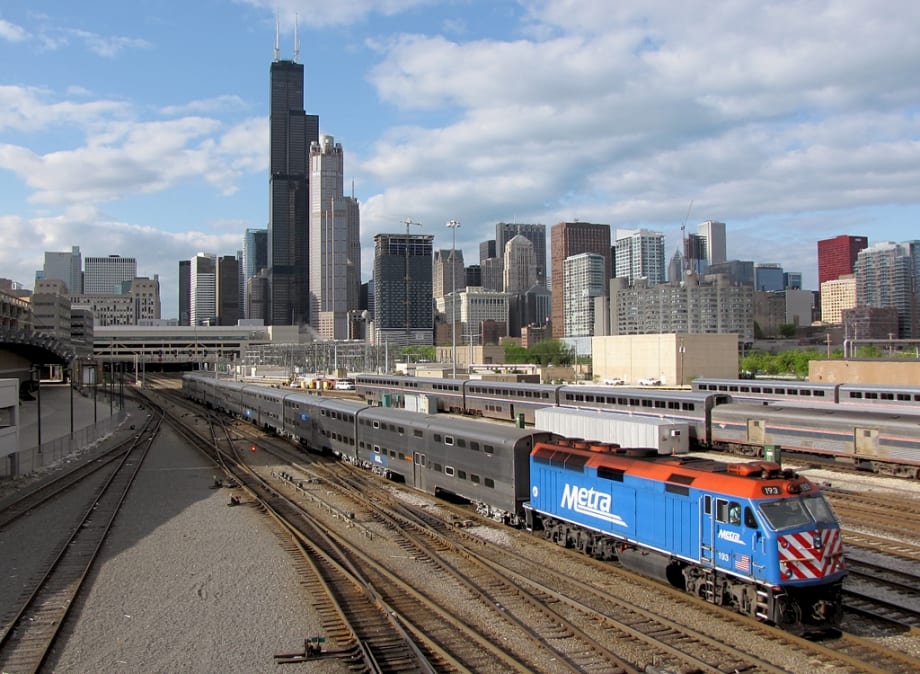
“These close calls include things we wouldn’t necessarily know about if crew never reported it to management,” said Hilary Konczal, director, safety, for Chicago’s Metra commuter rail system. Metra plans to kick off its C3RS initiative mid-July.
To ensure confidentiality, all reports are handled by an impartial, independent third-party: the National Aeronautics and Space Administration, or NASA. Rail employees have the option of sending an email report, mailing in a hard copy or submitting through an online portal. NASA then collects the data and gives each participating agency just the pertinent information reported by its employees.
FRA and participating agencies see C3RS as a chance to prevent accidents before they happen. After several years of planning and research, the FRA originally launched C3RS in 2007 as a way of learning more about accident precursors and to improve industry-wide safety culture. It was modeled after a similar program in the airline industry, according to an FRA spokesman.
The C3RS pilot program’s midterm report found that there was a 69% decrease in human factor-caused accidents at rail yards that implemented the program. The report also concluded that C3RS improves labor-management relationship and employee engagement.
Metra has set up peer review teams made up of managers and labor representatives to assess the NASA-generated reports together. They can discuss implementing new procedures or rules or creating targeted awareness campaigns.
“Communication is the key to training your brain,” said Konczal. “We want to address repetitive adverse situations by modifying behavior for everyone’s safety. Any time you put preventative measures in place, it ultimately brings more safety to employees and passengers alike.”
But the C3RS program strives to bring awareness to the greater rail industry as well, urging agencies to enhance the way they might look at a potential issue.
Justin Vonashek, chief safety and security officer of Massachusetts’ Keolis Commuter Services, said: “[C3RS] serves as an early warning system that focuses on programs instead of people. The system also provides incentives to learn from errors rather than try to conceal them, and seeks to target the root cause of an issue, not the symptoms.”
C3RS was created to complement existing safety programs. This year, Keolis Commuter Services implemented a Safety Excellence Plan, which contains several initiatives designed to improve overall safety culture, that will roll out during the year. C3RS is an integral part of the plan and will launch in August.
Both Keolis Commuter Services and Metra are asking for the support of union leaders to help carry out the program smoothly. “Unions have bought into this program and it’s a win-win for everyone,” Konczal said. “They are excited about it and are even assisting with the marketing and training.”
FRA’s Office of Railroad Safety is primarily responsible for the implementation of C3RS. It receives support from the U.S. Department of Transportation’s Volpe Center, which partners with public and private organizations to assess the needs of a given transportation community. A C3RS Implementation Team works with stakeholders to provide training and the necessary tools to implement and maintain a successful program.
According to FRA officials, any railroad, regardless of size, is eligible to participate in C3RS.
More Rail
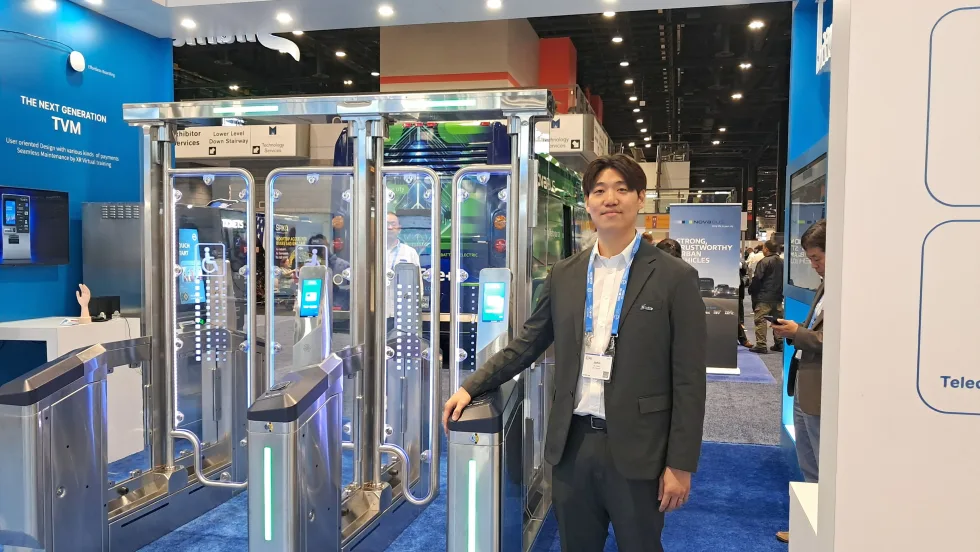
STraffic Expands North American Presence with Fare Collection Technology
Deck: John Moon, Associate Director, Product Strategy at STraffic, discusses the company's growth in North America, its efforts to reduce fare evasion, and more.
Read More →
Study: Denver RTD Generates $2.1 Billion in Annual Economic Activity
An economic impact study finds the agency supports approximately 17,500 jobs, delivers $1.6 billion in annual community and mobility benefits, and generates $2.42 in economic value for every dollar invested.
Read More →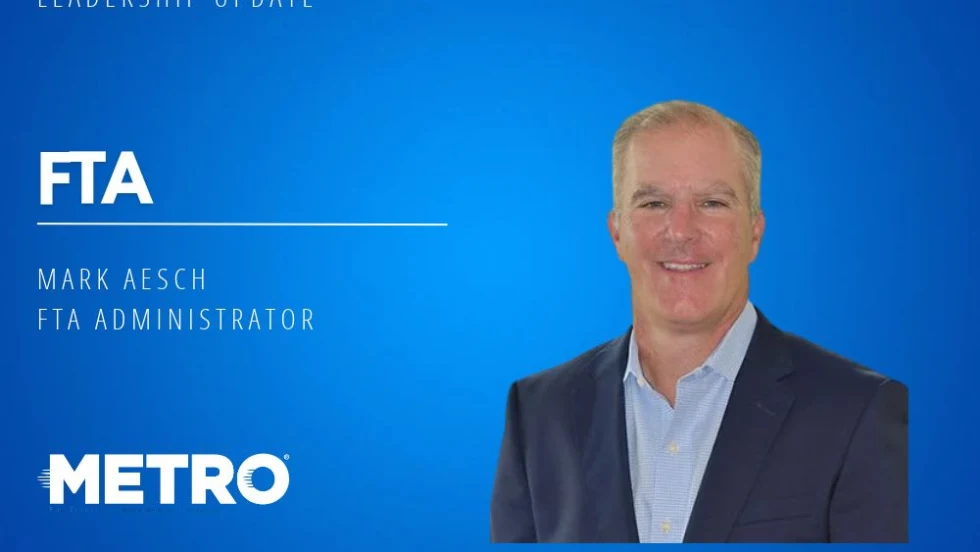
Mark Aesch Nominated to Lead Federal Transit Administration
The former Rochester transit chief and TransPro founder, who has also contributed to METRO Magazine, brings decades of industry experience and a focus on performance, accountability, and financial sustainability to the nomination.
Read More →
Transit Expands Agency Partnerships, Reaching 200 Official App Partners
COO Jake Sion discusses Transit’s growth, the success of its Transit Royale program, and how technology is helping agencies improve the rider experience.
Read More →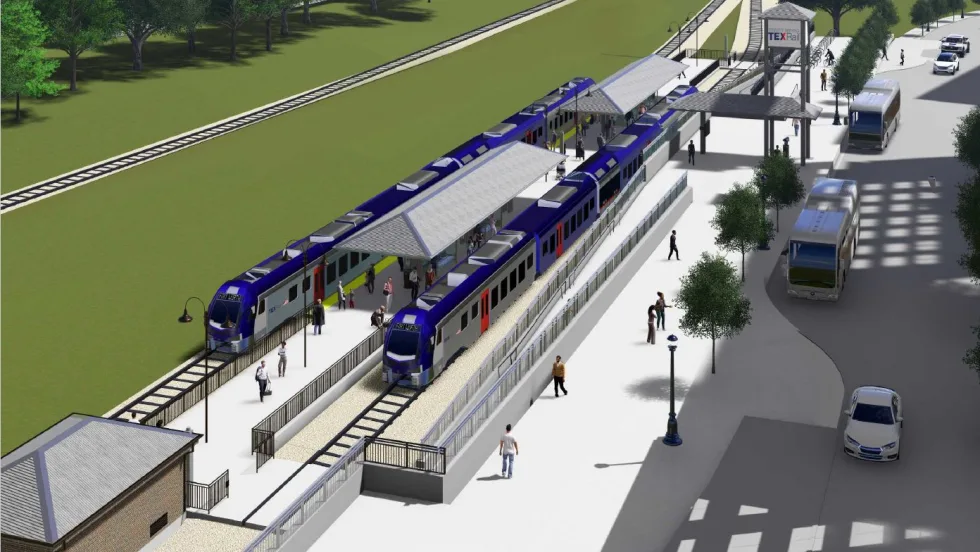
Trinity Metro Breaks Ground on $270M TEXRail Extension
The 2.1-mile extension will connect Fort Worth’s Medical District and Near Southside to downtown, surrounding communities, and Dallas-Fort Worth International Airport.
Read More →
Bringing Austin’s First Light Rail System to Life
Austin Transit Partnership CEO Greg Canally discusses the city's nearly 10-mile light rail project, its collaborative approach to project delivery, the importance of community engagement, and the milestones ahead as construction approaches in 2027.
Read More →
Metra Draft Plan Outlines Costs, Service Improvements for Regional Rail
The Systemwide Network Plan identifies infrastructure needs and potential investments to expand all-day, bidirectional rail service across the Chicago region.
Read More →
Amtrak Completes First Street Tunnel Upgrades, Restores Service
The nine-day construction project included replacing aging track infrastructure and modernizing switch systems near Washington Union Station.
Read More →
FRA Announces $2.3B for Passenger, Freight Rail Projects Nationwide
The CRISI Grant Program funding will support rail infrastructure improvements, safety upgrades, and projects aimed at improving freight and passenger rail service across 45 states and Washington, D.C.
Read More →
Caltrain’s Electrification Drives a New Era of Ridership Growth
The railroad’s shift to electric service has brought more frequent trains, stronger customer satisfaction, and increased ridership, earning it APTA’s Outstanding Public Transportation System award.
Read More →