




Statement by APTA President/CEO Michael Melaniphy On 2015 Urban Mobility Report
U.S. commuters waste 7 billion hours sitting in traffic, report says
Washington, D.C. tops the list of gridlock-plagued cities, with 82 hours of delay per commuter, followed by Los Angeles (80 hours), San Francisco (78 hours), New York (74 hours) and San Jose, Calif. (67 hours).
August 27, 2015
5 min to read
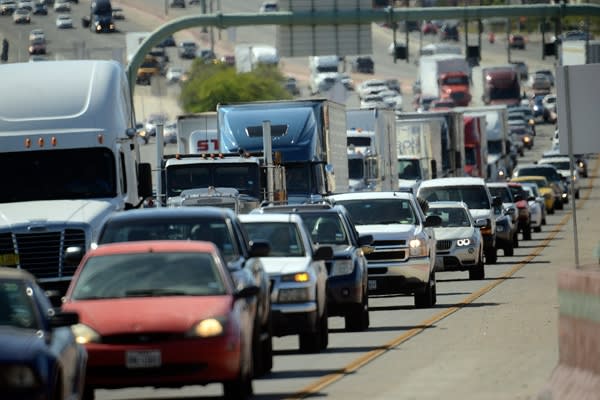
Traffic congestion in the U.S. has returned to pre-recession levels, with Washington D.C. topping the list, according to a new report produced by INRIX and the Texas A&M Transportation Institute (TTI).
The 2015 Urban Mobility Scorecard reported that travel delays due to traffic congestion caused drivers to waste more than 3 billion gallons of fuel and kept travelers stuck in their cars for nearly 7 billion extra hours — 42 hours per rush-hour commuter. The total nationwide price tag: $160 billion, or $960 per commuter.
Washington, D.C. tops the list of gridlock-plagued cities, with 82 hours of delay per commuter, followed by Los Angeles (80 hours), San Francisco (78 hours), New York (74 hours), and San Jose, Calif. (67 hours).
The problem has become so bad in major urban areas that drivers have to plan more than twice as much travel time as they would need to arrive on time in light traffic just to account for the effects of irregular delays such as bad weather, collisions and construction zones. For example, drivers on America’s Top 10 worst roads waste on average 84 hours or 3.5 days a year on average in gridlock — twice the national average. Of these roads, six are in Los Angeles, two are in New York and the remaining two are in Chicago. Nine other cities have roads ranked among the 50 worst.
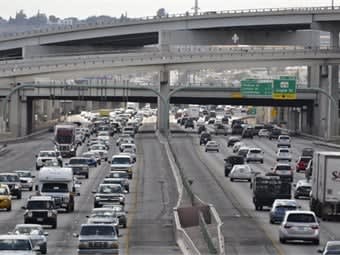
Scorecard findings also illustrate how traffic congestion isn’t just a big-city issue. Cities of all sizes are experiencing the challenges seen before the start of the recession — increased traffic congestion resulting from growing urban populations and lower fuel prices are outpacing the nation’s ability to build infrastructure. Of America’s Top 10 Worst Traffic cities, seven of them experienced population growth outpacing the national average of 0.7% last year, including Los Angeles, San Francisco, San Jose, Seattle, Houston and Riverside, Calif. Additionally, some of the worst traffic cities also experienced some of the largest decreases in fuel prices (-4.1% nationally) including Riverside, Houston, Los Angeles, San Jose, Boston and Chicago. The result, the average travel delay per commuter nationwide is more than twice what it was in 1982. For cities of less than 500,000 people, the problem is four times worse than in 1982.
“Our growing traffic problem is too massive for any one entity to handle — state and local agencies can’t do it alone,” says Tim Lomax, a report co-author and Regents Fellow at TTI. “Businesses can give their employees more flexibility in where, when and how they work, individual workers can adjust their commuting patterns, and we can have better thinking when it comes to long-term land use planning. This problem calls for a classic ‘all-hands-on-deck’ approach.”
Recent data from the U.S. Department of Transportation shows that Americans have driven more than three trillion miles in the last 12 months. That’s a new record, surpassing the 2007 peak just before the global financial crisis. Report authors say the U.S. needs more roadway and transit investment to meet the demands of population growth and economic expansion, but added capacity alone can’t solve congestion problems. Solutions must involve a mix of strategies, combining new construction, better operations and more transportation options, as well as flexible work schedules.
“Connectedness, big data and automation will have an immense impact over the next decade on how we travel and how governments efficiently manage the flow of people and commerce across our transportation networks,” says Jim Bak, one of the report’s authors and a director at INRIX. “This report is a great example of how data and analytics are evolving to provide transportation agencies with the insight needed to not only make our existing transportation systems work smarter but more quickly pinpoint where investment can have a lasting impact.”
The report predicts urban roadway congestion will continue to get worse without more assertive approaches on the project, program, and policy fronts. By 2020, with a continued good economy:
Annual delay per commuter will grow from 42 hours to 47 hours.
Total delay nationwide will grow from 6.9 billion hours to 8.3 billion hours.
The total cost of congestion will jump from $160 billion to $192 billion.
Findings in the Urban Mobility Scorecard are drawn from traffic speed data collected by INRIX on 1.3 million miles of urban streets and highways, along with highway performance data from the Federal Highway Administration. The vast amount of information, INRIX and TTI say, makes it possible to examine problems in greater detail than before, and to identify the effect of solutions at specific locations.
--------------------------------------------------------------------------------------------------------------------------------
"A new 2015 Urban Mobility Scorecard released today shows the urgent need for investment in public transportation and our road network. The report showed that traffic congestion caused drivers to waste more than 3 billion gallons of fuel and kept travelers stuck in their cars for nearly 7 billion extra hours. That is 42 hours per rush-hour commuter. The total nationwide price tag: $160 billion, or $960 per commuter.
Public transportation is effective in saving hundreds of millions of hours of delay and hundreds of millions of gallons of fuel. In fact without public transportation, our current congested roadways would surely be gridlock. In earlier data from the 2013 Urban Mobility Report, it showed that travelers would have suffered an additional 865 million hours of delay and consumed 450 million more gallons of fuel.
While we face the expiration of federal funding for the nation's transportation infrastructure expiring on October 29, Americans recognize the urgent need to invest in public transportation for the many benefits it provides, which include economic benefits as well as relief from roadway congestion. According to a recent survey conducted by the American Public Transportation Association and the Mineta Transportation Institute, 75 percent of Americans support using tax dollars to improve public transportation, and close to 70 percent agree that Congress should increase the level of investment in public transportation infrastructure.
Americans realize our infrastructure needs must be addressed with long-term solutions. While other nations significantly invest in their transportation infrastructure, America now ranks 28th in infrastructure investment and continues to fall behind our global competitors. While we continue to sit in traffic, one has to ask, is this really the best America can do?
We urge lawmakers to pass a long-term revenue source this year that increases investment to support our nation's transportation infrastructure. We must meet the demands of our population growth and our economic expansion. A mix of strategies including increased investment in public transportation is crucial to addressing our clogged and congested roadways."
More Technology
Exploring AI's Role in the Future of Paratransit and On-Demand Transportation
Spare's Kristoffer Vik Hansen discusses evolving rider expectations, the challenges facing transit agencies, and how artificial intelligence could help improve paratransit and on-demand mobility services.
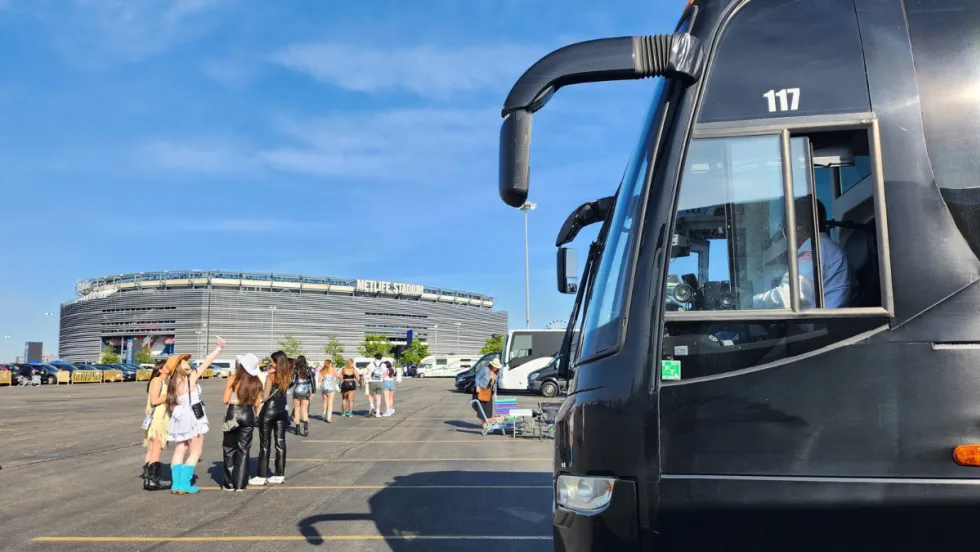
How Rally OurBus Connects Motorcoach Operators with Event Transportation Demand
The company's crowd-powered model uses passenger reservations to shape routes, determine capacity, and create new business opportunities for independent motorcoach operators.

What Transit Maintenance Facilities Should Know About Gas-Detection Placement
Proper gas-detector placement is critical to maintaining safety in transit maintenance facilities, requiring agencies to consider fleet fuel types, ventilation, shop operations, and ongoing equipment maintenance.
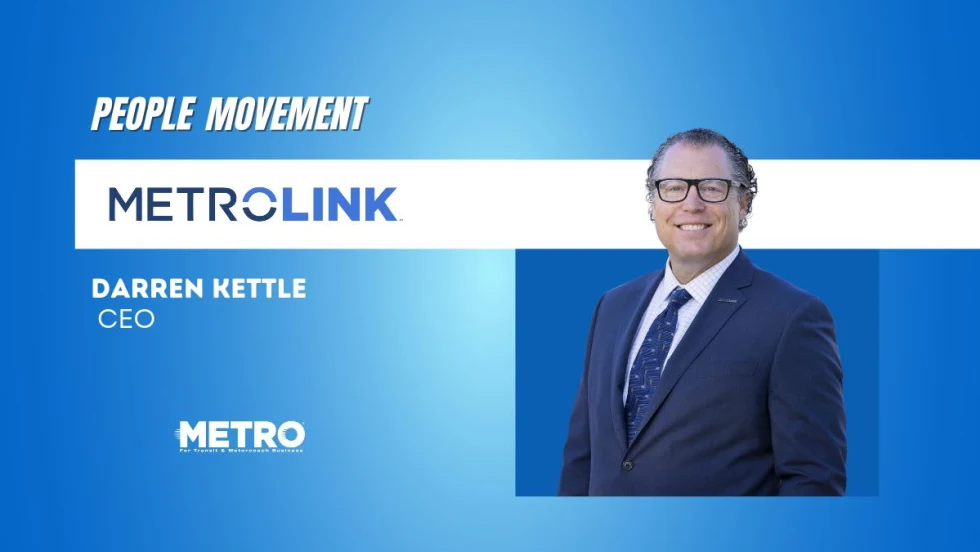
People Movement: Metrolink's Kettle Announces Retirement, Feakins to CEO at UZURV, and More
In this edition, we also cover recent appointments and announcements at King County Metro, SilverRide, and more, showcasing the individuals helping to shape the future of transportation.
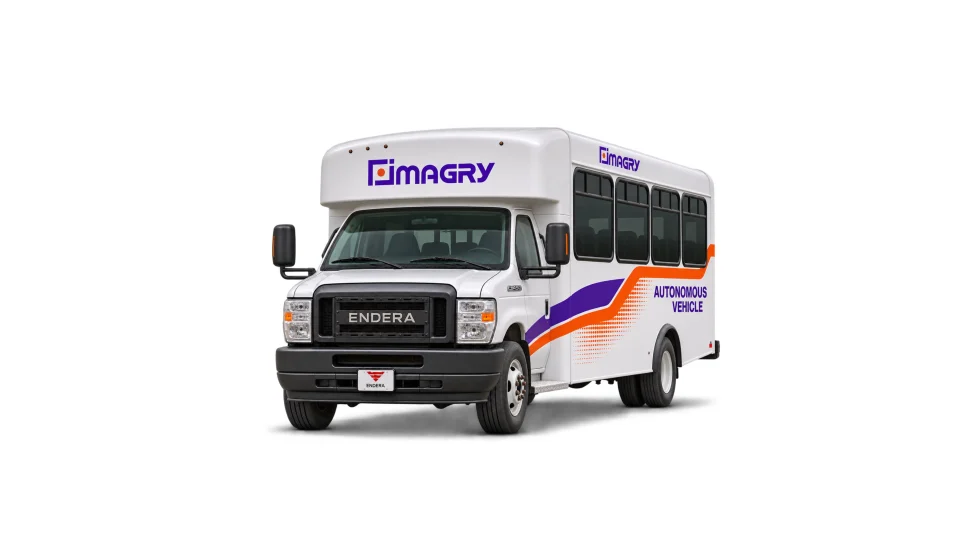
Imagry, Endera Partner for Automated Buses, Luminator Teams with Avail, and More in Biz Briefs
In METRO's latest installment, we also take a look at recent news from RIDE, Alstom, and more partnerships making headlines across the transportation sector.
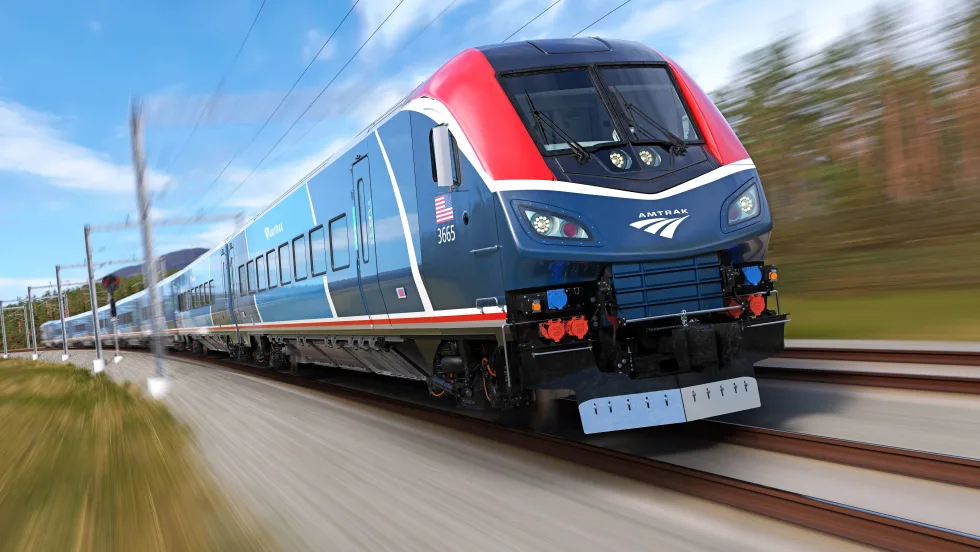
Amtrak Expands Airo Fleet with Eight Higher-Capacity Trainsets
The new 10-car trains, expected to enter service in 2031, will provide about 34% more seating capacity to meet growing demand on the Northeast Corridor.

Improving Transit Safety and Reliability Through AI
Hayden AI’s Chief Growth Officer, Charley Territo, discusses how AI-powered camera enforcement is helping transit agencies keep bus lanes and stops clear, improve accessibility, and move from pilot programs to full-scale deployments.

STraffic Expands North American Presence with Fare Collection Technology
John Moon, Associate Director, Product Strategy at STraffic, discusses the company's growth in North America, its efforts to reduce fare evasion, and more.
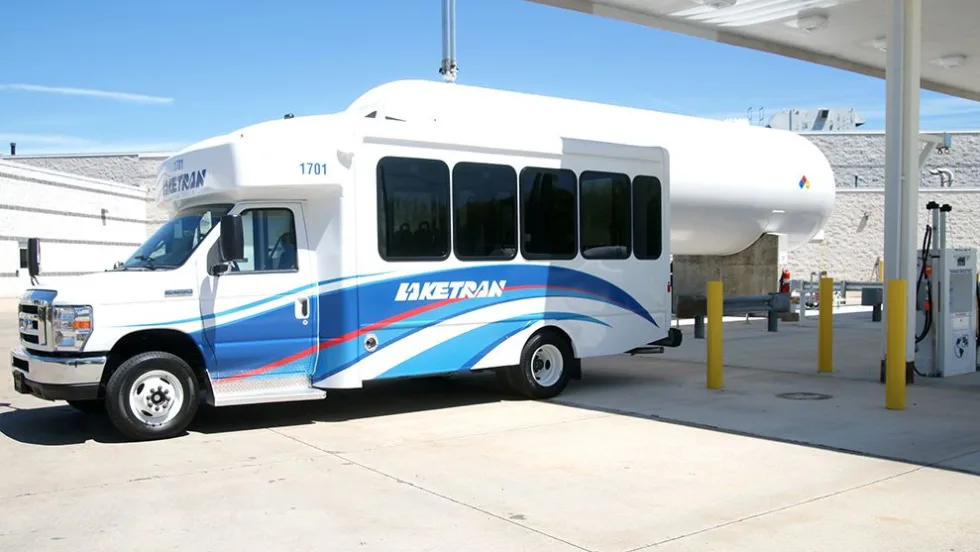
Laketran Cuts Fuel Costs, Boosts Efficiency with Propane-Powered Fleet
The Ohio transit agency is using propane-powered vehicles and on-site fueling infrastructure to cut fuel and maintenance costs while meeting growing demand for paratransit services.
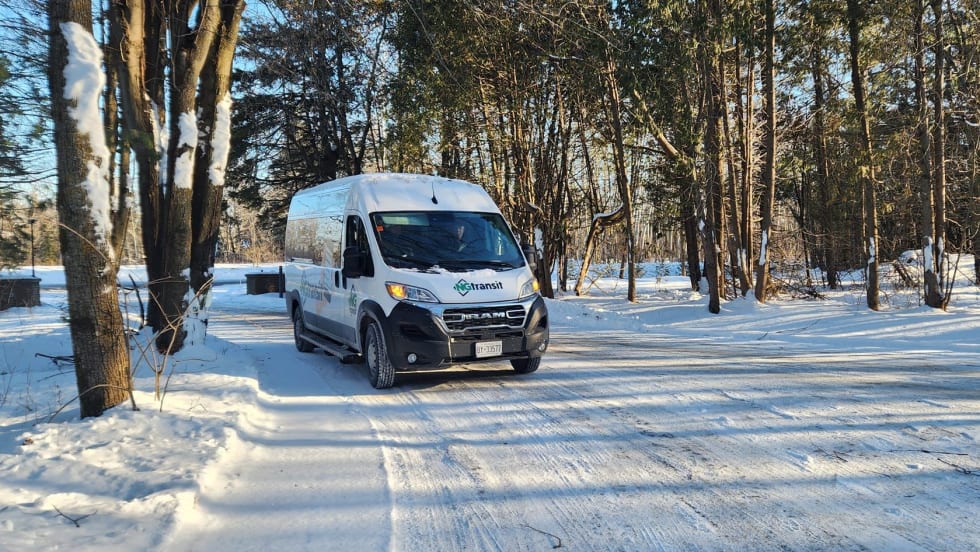
Right-Sizing Rural Transit: Lessons from North Grenville’s On-Demand Model
A small municipality shows how flexible service, rider needs, and public accountability can expand mobility with limited resources.