



Related: Commuting Into the Future: A Look at Post-Pandemic Ridership
Executive Q&A: Bringing Back Ridership
Transit agency executives discuss ways they're bringing back ridership during the COVID-19 pandemic.
by Staff
November 9, 2021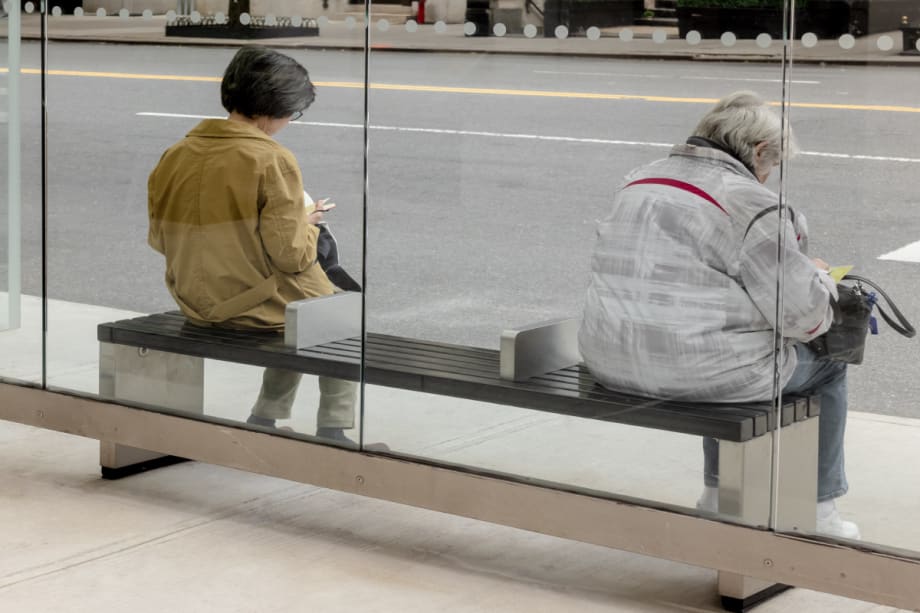
Executives discuss multiple efforts to bring back ridership post-pandemic.
Photo: Unsplash
2 min to read
What are some of the things your agency is doing to help bring back ridership?
Katharine Kelleman, CEO, Port Authority of Allegheny County
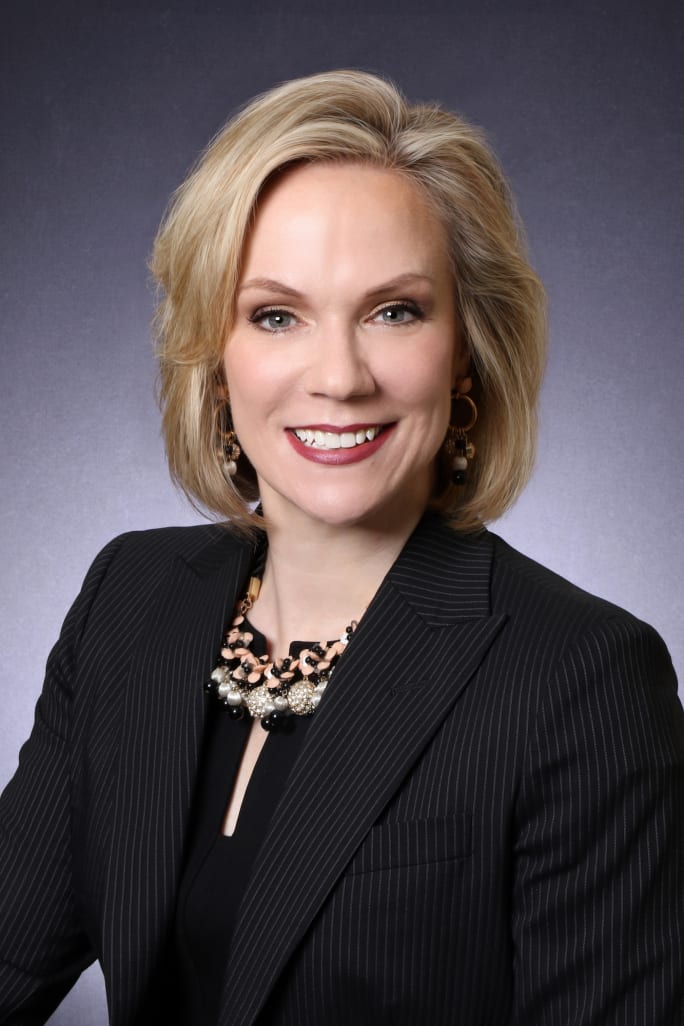
Port Authority of Allegheny County has developed and executed a multi-prong marketing effort to let riders know that it’s ‘Safe to Go,’ that our vehicles, stations, and facilities are disinfected daily, our operators continue to wear masks, and that we’ve begun installing air filtration devices in all our vehicles. A future campaign dubbed ‘Good to Go,’ will remind riders of the services, technologies, and amenities our system provides. Good to Go will be launched when our region’s largest employers begin to call more of their employees back to the office, most likely this spring.
Inez Evans, President/CEO, IndyGo

At a time when many transit agencies are cutting service, IndyGo has been able to make minor schedule adjustments, such as temporarily suspending morning and evening rush hour service on our lower ridership 60-minute routes to greatly improve service reliability and on-time performance. Additionally, we’re preparing to launch a partnership with a company to install UV-C technology to our entire fleet, cleaning and disinfecting the air our riders and operators breathe eliminating pathogens, allergens, and even odors.
Alex Wiggins, CEO, New Orleans Regional Transit Authority
The New Orleans Regional Transit Authority’s commitment to our riders has afforded a seamless phased implementation back to full service during morning and afternoon peak travel hours. RTA also introduced a temporary fare pilot which reduced the cost of a monthly pass from $55 to $45 and debuted reduced fare offerings for seniors and youth. The new offerings include a 1-day pass and monthly passes and have helped to increase ridership by breaking demographic mobility barriers to affordable transit access.
MJ Maynard, CEO, Regional Transportation Commission of Southern Nevada
We implemented our largest transit service change in recent history, providing transit to 185,000 residents who previously did not have access, restoring reduced service, launching two new routes, and increasing frequency. Additionally, we recognized an invaluable opportunity to capitalize on the returning workforce. We launched Try Transit, a program that encourages newly hired or rehired employees to take transit by offering two complimentary, seven-day passes. We’ve partnered with 100 employers who’ve requested nearly 30,000 passes.
Subscribe to Our Newsletter
More Management

FTA Ends Direct Oversight of MBTA Safety Actions
The federal agency closed its remaining special directive to the Massachusetts Department of Public Utilities following a safety review that began in 2022.
Read More →
Report: Transit Bus Manufacturing Supports 34,100 Jobs, $5.1B in GDP
The “Buses Mean Business” report examines the transit bus manufacturing industry’s economic footprint, supply chain, and rising demand for vehicle replacements.
Read More →
LIT Marks 10-Year Milestone at Annual Summit
Hosted by the COTA from September 10 to 13, the Summit carried the theme “Celebrating 10 Years of Excellence, Leadership, and Impact,” with every part of the program honoring the people, agencies, and partners who built LIT over its first decade.
Read More →

People Movement: Dan Dipert Coaches Adds Third-Generation Leader, Keolis Names New Valley Metro VP/GM, and More
In this edition, we also cover recent appointments and announcements at the Wabtec, SilverRide, HNTB, and more, showcasing the individuals helping to shape the future of transportation.
Read More →
METRO Opens Submissions for 2026 Motorcoach Awards
Nominations are now being accepted for METRO Magazine’s Operator of the Year and Innovative Operator of the Year awards.
Read More →
New York MTA Advances Final Contract for Second Avenue Subway Expansion
Contract Four is the largest in the Second Avenue Subway Phase 2 project and includes construction of station infrastructure, tracks, and signals for the subway expansion, MTA officials said. Work on Contract Four will begin in 2027.
Read More →
Transit Agencies Highlight Safety Gains at National Summit
Leaders from 15 major transit systems shared crime-reduction results and safety initiatives while discussing the role of continued federal support.
Read More →
NITA Names New Leadership, Expands Reduced-Fare Program at First Board Meeting
The new regional transit authority appointed its first board chair and interim executive director while extending reduced fares across CTA, Metra, and Pace for eligible riders.
Read More →
Beyond the Checklist: A Structured Approach to Transit Maintenance
Reliability-Centered Maintenance helps transit agencies move beyond routine checklists to focus limited resources on the assets and failures that have the greatest impact on safety, reliability, and service.
Read More →
APTA 2026 Nominating Committee Selects Leadership Slate, Names Chair and Vice Chair Nominees
Leadership changes will help shape the association’s priorities and its representation of the transportation industry during the 2026–2027 term.
Read More →