



MARTA Making Temporary Service Modifications to Address Bus Operator Shortage
MARTA budgets for 1,366 full-time bus operators and currently has 1,179 on staff, representing a 14% deficit.
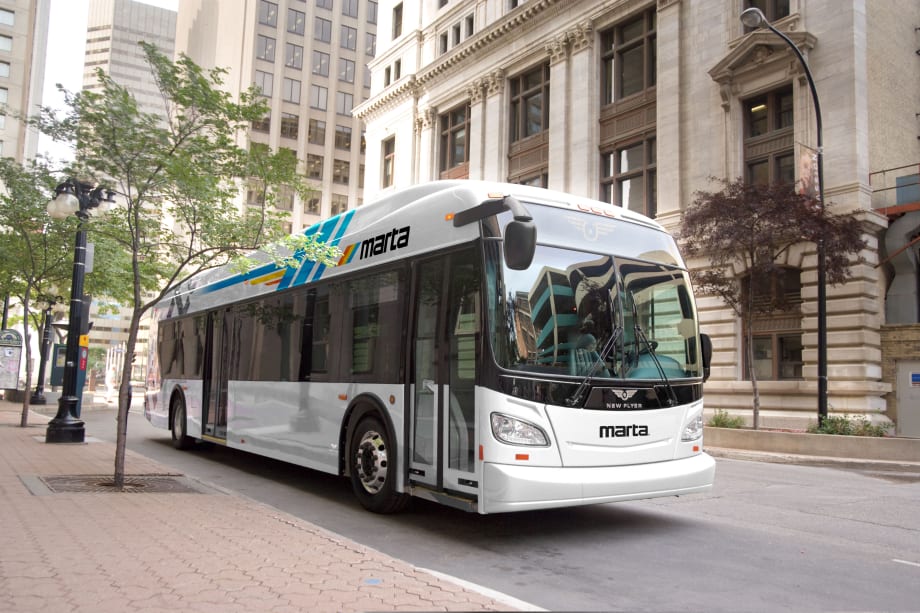
MARTA is actively recruiting bus operators through every available channel and holding monthly job fairs, processing many qualified candidates on the spot.
MARTA
The Metropolitan Atlanta Rapid Transit Authority (MARTA) will make temporary service modifications to its bus service beginning in December, to address a shortage of bus operators.
All 113 current bus routes will remain operational, with the majority, 96 routes, operating on a Saturday schedule. Eleven high ridership routes will continue operating on a weekday schedule, as will six routes that normally don’t run on Saturday.
Staff shortages are a challenge for many industries right now, and public transit has been hit particularly hard. MARTA budgets for 1,366 full-time bus operators and currently has 1,179 on staff, representing a 14% deficit. COVID-19 has posed the greatest threat to operator retention and recruitment, with operators leaving due to concerns over their health or being terminated due to noncompliance with MARTA’s COVID-19 Vaccination Policy. The Policy states that all employees must submit either a vaccination card or weekly test results. Absenteeism among remaining operators is high, resulting in cancelled routes or last-minute schedule changes that inconvenience customers and impact service reliability, according to the agency.
“This temporary adjustment to our bus service will reduce uncertainty about when your bus is coming or if it’s coming at all,” said MARTA Deputy GM, Operations, Collie Greenwood. “Like almost all transit agencies and other industries we are having to operate with a reduced workforce due to the effects of COVID, and this schedule change allows us to responsibly address this shortage and still provide service our customers can rely on.”
MARTA is actively recruiting bus operators through every available channel and holding monthly job fairs, processing many qualified candidates on the spot. The authority has streamlined its hiring process as well as making it more competitive with other transportation companies. Additionally, all new hires must be vaccinated against COVID-19.
The agency said that while it was a difficult decision, it expects to return to regular service soon and plans to deploy operators as they are hired and trained so that regular weekday bus service for all routes can resume with a full complement of drivers.
More Management
CATS Launches West Charlotte Microtransit Zone, Expands Transit Services
The new microtransit zone connects residents to key destinations as Charlotte Area Transit System rolls out the first phase of its 2055 Transit System Plan.
Read More →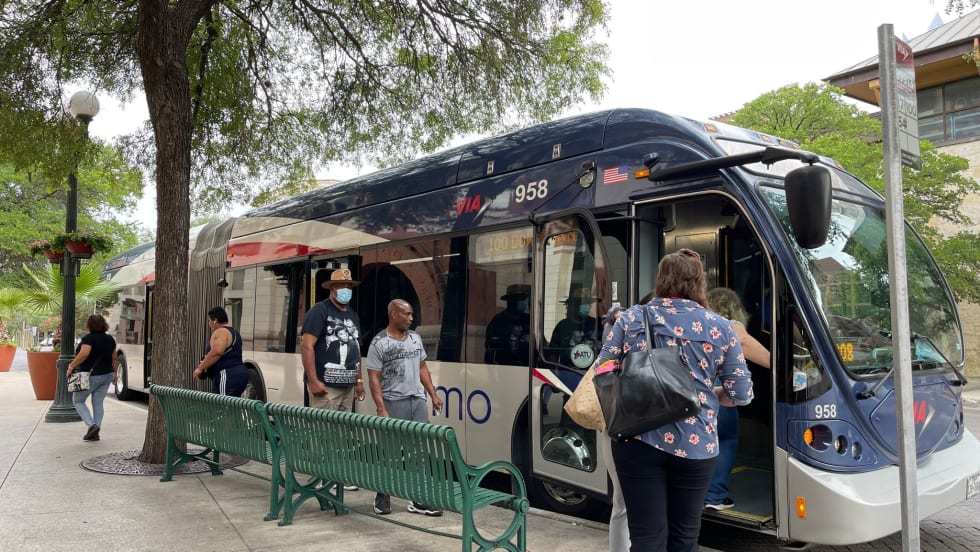
VIA Bus Ridership Grows 10.1% Through August 2026
San Antonio's VIA Metropolitan Transit reported the highest bus ridership growth among major Texas transit systems. Federal Transit Administration data ranked it second among the nation's 50 largest transit systems.
Read More →
CSA Group Releases Climate Resilience Standard for Transit, Passenger Rail
Developed with support from the Standards Council of Canada, CSA D700 guides assessing climate-related risks and planning adaptation measures for transit and passenger rail systems.
Read More →
ETA CEO John Maglio on Transit Technology, Innovation, and Building Agency Trust
ETA founder and CEO John Maglio explores the evolution of transit technology, the importance of reliable systems, and how stronger partnerships can help agencies improve operations and the passenger experience.
Read More →
COTA Launches First Customer Experience Action Plan to Improve Transit Service
The new plan outlines improvements to service reliability, accessibility, communication, and the overall rider experience across Central Ohio's transit system.
Read More →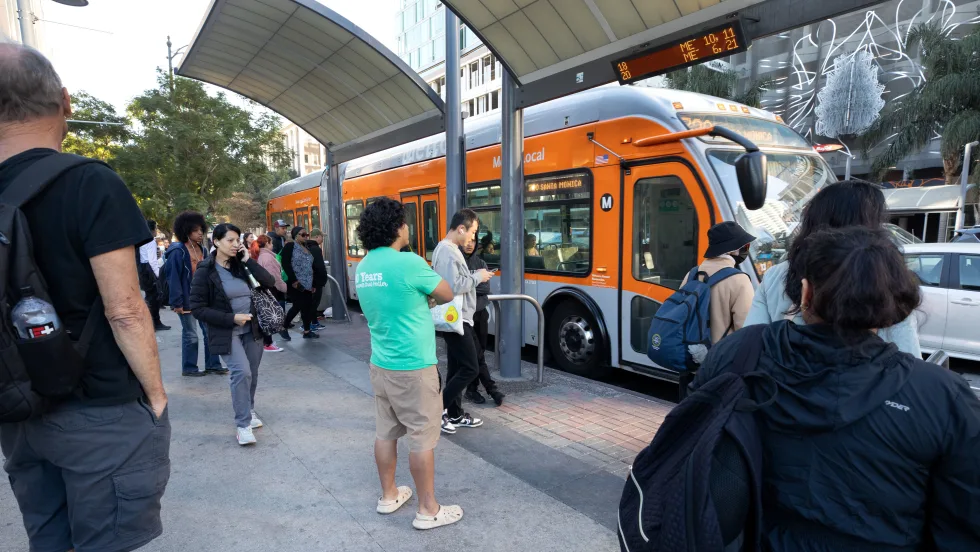
LA Metro September Ridership Climbs 3.9%, Led by Rail Growth
The agency recorded more than 27.2 million boardings, with rail ridership increasing 12.4% year over year and the D Line posting the largest gains.
Read More →
Utilimarc Launches SmartReplace to Optimize Fleet Replacement Decisions
AI-powered SmartReplace helps fleets prioritize vehicle replacements, model budget scenarios, and build more defensible long-term strategies.
Read More →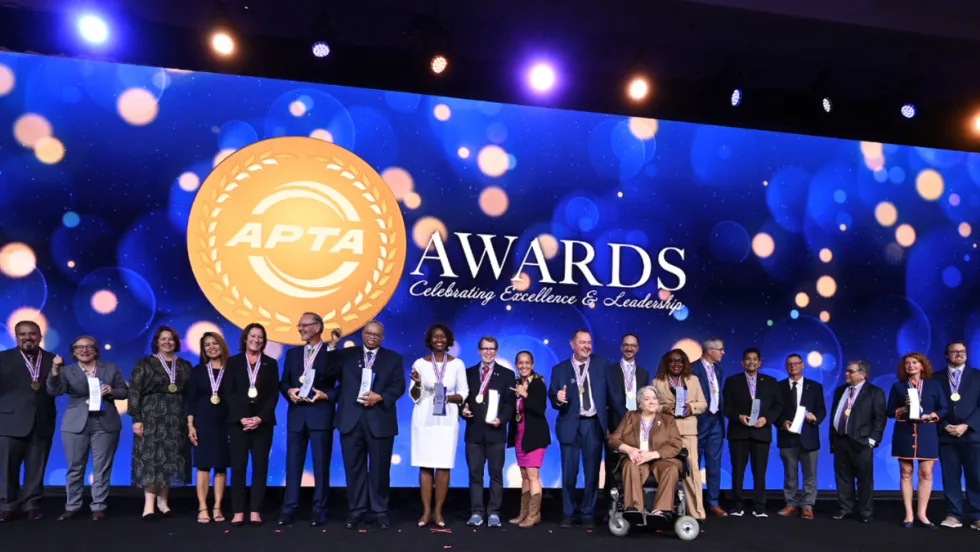
APTA Honors 2026 Award Winners, Hall of Fame Inductees at TRANSform & EXPO
Innovations in autonomous and zero-emission transportation, standout transit systems, and industry leadership took center stage among this year's honorees.
Read More →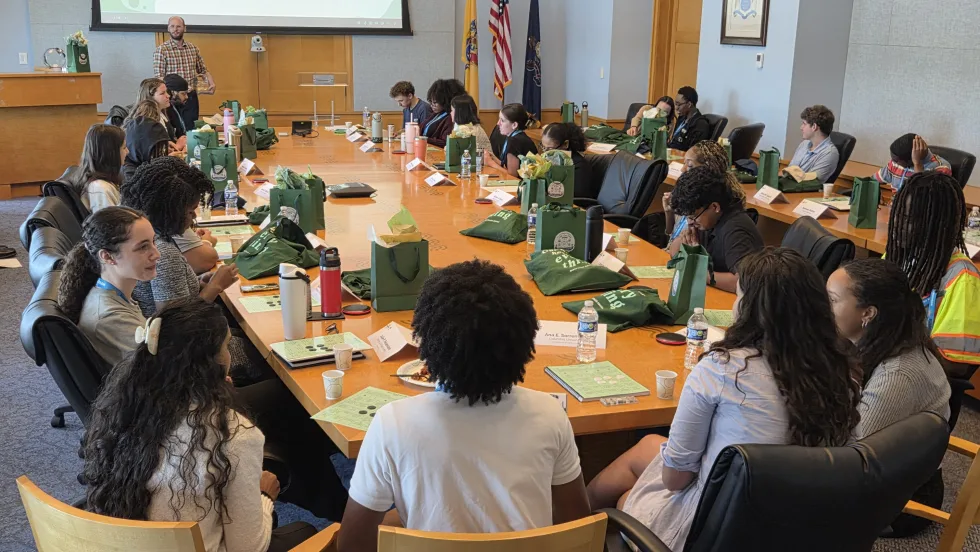
7 Ways to Build a Better Transit Internship Program
Lessons from DRPA/PATCO’s approach to creating a meaningful internship experience—and developing the next generation of transportation professionals.
Read More →
Scenes from APTA TRANSform & EXPO 2026
Transit leaders, manufacturers, and industry professionals gathered in Chicago to explore new technologies, share ideas, and discuss the future of public transportation.
Read More →