



BC Transit, Cubic’s Umo Roll Out Contactless Payment Capabilities
With Umo’s mobile app and reloadable smart card, BC Transit will also offer pre-paid stored value and pass products so that riders can easily purchase with a mobile device, new web portal, or retailer and board simply by scanning their mobile device or tapping their card.

The introduction of Umo will open the door for riders to use contactless pre-paid fare products and contactless open payment technologies such as Apple Pay, Google Pay, and contactless credit and debit cards.
Umo
BC Transit is bringing the Umo platform to over 900 buses across more than 30 transit systems, increasing British Columbians’ access to transit. The public transit agency will soon have a single electronic fare collection solution, making public transit a safer, more convenient option for its many local communities.
BC Transit, the provincial Crown corporation responsible for coordinating public transit services, in all areas outside of Metro Vancouver, awarded a contract to Cubic Transportation Systems for the Umo platform.
The introduction of Umo will open the door for riders to use contactless pre-paid fare products and contactless open payment technologies such as Apple Pay, Google Pay, and contactless credit and debit cards.
With Umo’s mobile app and reloadable smart card, BC Transit will also offer pre-paid stored value and pass products so that riders can easily purchase with a mobile device, new web portal, or retailer and board simply by scanning their mobile device or tapping their card.
“Cubic has a nearly 20-year history in British Columbia through our partnership with Vancouver’s metro transit authority TransLink,” said Jeff Lowinger, president of Cubic Transportation Systems. “We are excited to expand our partnership to BC Transit and deliver an electronic fare collection system that will ensure riders across the province have a seamless experience.”
The migration to contactless payments will offer greater convenience to riders while improving safety and security by reducing reliance on cash, automating means of fare purchase, improving onboard cleanliness by reducing farebox touchpoints, and decreasing driver interaction following recovery from the COVID-19 pandemic. In turn, this migration will increase ridership for British Columbia’s interregional transit by utilizing Umo’s tools to administer promotions and programs.
The project will expand Cubic’s existing footprint in British Columbia outward from Metro Vancouver. Serviced by Cubic’s existing customer, TransLink, the migration will serve small towns and adjacent urban centers, enabling better linkages between the provinces’ principal public transit agencies, BC Transit and TransLink.
The new system will be implemented in transit systems and interregional routes in two phases, initially enabling mobile app and reloadable smart card payment methods throughout the province before payment by credit card, debit card, and mobile wallets will be enabled. The Victoria Regional Transit System has been selected for the system’s pilot project and first transit system implementation and can expect to see the system come on board by fall 2022.
More Technology

Building a Flexible Path to Transit Electrification with BAE's John Hroncich
John Hroncich discusses BAE Systems’ modular and scalable approach, lessons learned from decades of real-world operations, and how agencies can identify electrification strategies that fit their fleets.
Read More →
Scenes from APTA TRANSform & EXPO 2026
Transit leaders, manufacturers, and industry professionals gathered in Chicago to explore new technologies, share ideas, and discuss the future of public transportation.
Read More →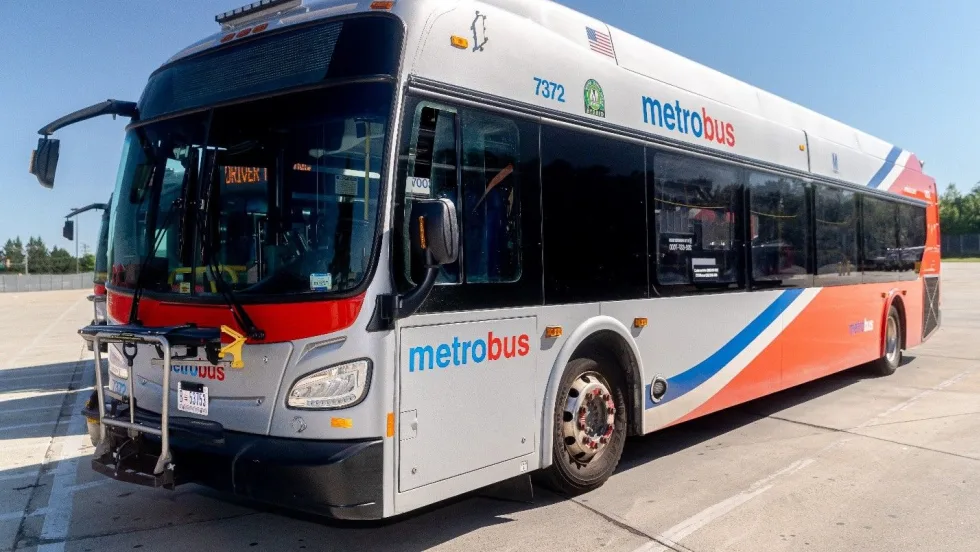
Biz Briefs: New Flyer Secures Additional 100-Bus Order from WMATA and More
In METRO's latest installment, we also take a look at recent news from Masabi, MCI, Samsara, and more partnerships making headlines across the transportation sector.
Read More →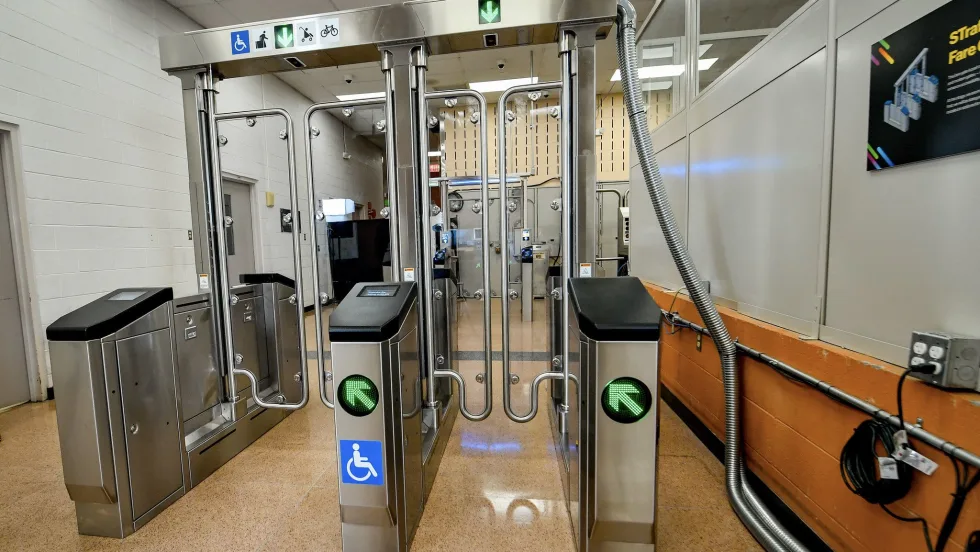
MTA Fare Gate Pilot Reduces Fare Evasion by 35%
Following a 20-station pilot, the agency plans to install new fare gates at 20 additional subway stations as part of a $1.1 billion modernization initiative.
Read More →
California Law Extends AC Transit’s Bus Lane Camera Enforcement
The new law allows AC Transit to continue using forward-facing bus cameras to enforce parking violations in bus-only lanes and at bus stops.
Read More →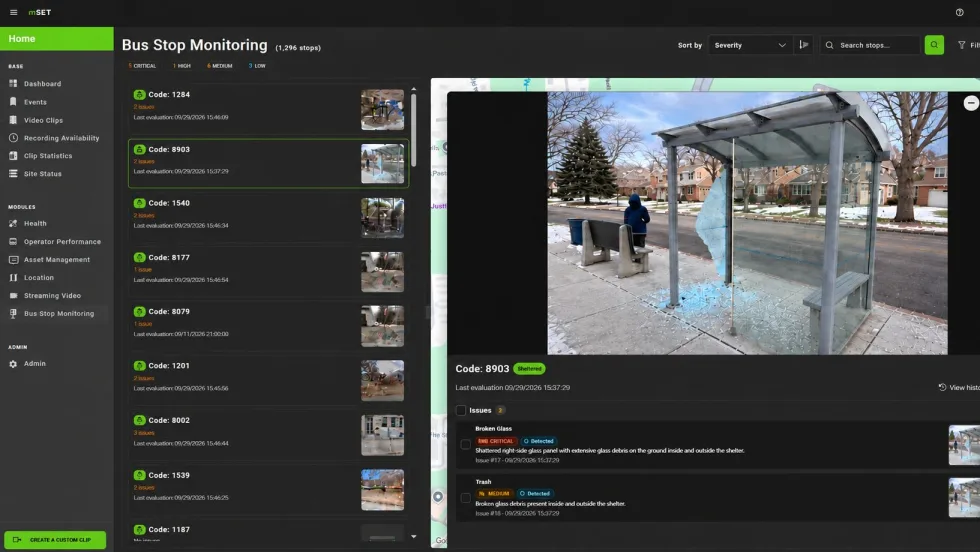
Biz Briefs: Luminator Launches AI Technology to Monitor Bus Stop Conditions and More
In METRO's latest installment, we also take a look at recent news from Masabi, Troman Industries, ioki, CCW, and more partnerships making headlines across the transportation sector.
Read More →
Public Transit Conference Returning to GFX in 2027, Call for Papers Now Open
The Call for Papers is now open, allowing transit agency professionals and industry experts to help shape the PTC educational program by submitting session ideas for consideration.
Read More →
ENC Lands MATA Contract and More in Biz Briefs
In this edition of Biz Briefs, we spotlight the latest developments shaping the future of mobility.
Read More →
Strada360’s Steve Lassey on Turning Transit Data Into Better Decisions
From breaking down data silos to preparing for AI, Strada360 CEO Steve Lassey discusses how transit agencies can use technology to improve operations, customer information, and long-term decision-making.
Read More →
Almaviva Looks to Open Architecture to Advance Transit Technology
Eric Reese discusses how interoperability, open architecture, and modular design can help transit agencies control costs, reduce vendor lock-in, and upgrade technology without starting over.
Read More →