



NJ TRANSIT Launches 'Know Your ABCs' Campaign
The program encourages customers to be familiar with their “alternates, backups and contingencies” should there be a disruption to their usual mode of travel.

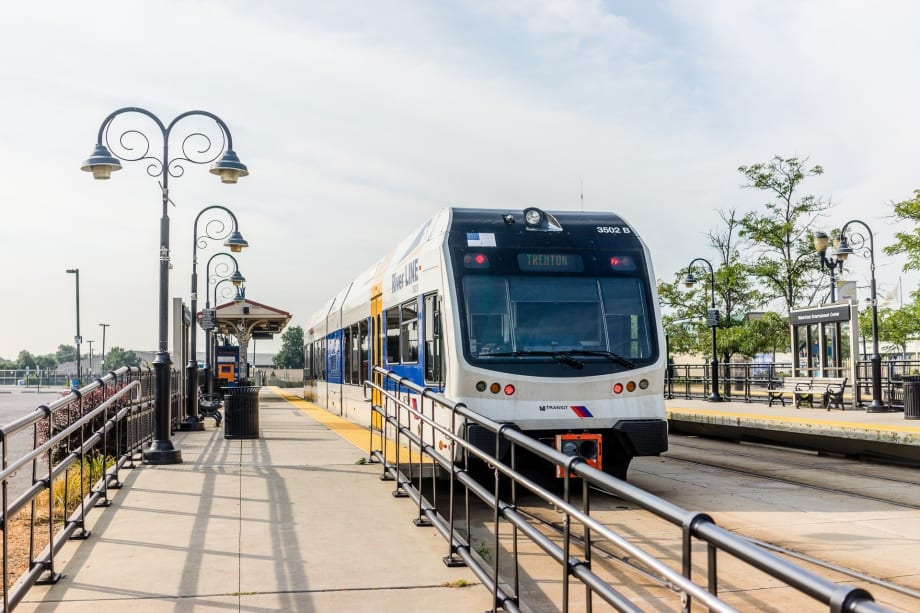
NJ TRANSIT is encouraging customers to visit njtransit.com/abc for resources to guide them through finding their alternatives, backups, and contingencies.
Photo: NJ TRANSIT
NJ TRANSIT is launching a campaign entitled “Know Your ABCs,” which encourages customers to be familiar with their “alternates, backups and contingencies” should there be a disruption to their usual mode of travel.
For example, if a customer normally takes the train from Penn Station New York to New Jersey, they are encouraged to also know which bus routes from the Port Authority Bus Terminal in New York could be an alternative to, or near, their home station.
“While, thankfully, major service disruptions are an infrequent occurrence, NJ TRANSIT’s ‘Know Your ABCs’ campaign empowers customers to proactively navigate an unplanned disruption to their commute,” said NJ TRANSIT President & CEO Kevin S. Corbett. “We want our customers to be familiar with all of the alternatives that New Jersey’s extensive transportation network offers.”
NJ TRANSIT’s ABCs
The “Know Your ABC’s” campaign was announced at a recent NJ TRANSIT board meeting. The agency is encouraging customers to visit njtransit.com/abc for resources to guide them through finding their alternatives, backups, and contingencies.
Customers will see messaging on posters and signs onboard buses and trains and inside stations, as well as on social media, encouraging them to “Know Your ABCs.”
More Management

Bringing Austin’s First Light Rail System to Life
Austin Transit Partnership CEO Greg Canally discusses the city's nearly 10-mile light rail project, its collaborative approach to project delivery, the importance of community engagement, and the milestones ahead as construction approaches in 2027.
Read More →
ETA CEO John Maglio on Transit Technology, Innovation, and Building Agency Trust
ETA founder and CEO John Maglio explores the evolution of transit technology, the importance of reliable systems, and how stronger partnerships can help agencies improve operations and the passenger experience.
Read More →
Metra Draft Plan Outlines Costs, Service Improvements for Regional Rail
The Systemwide Network Plan identifies infrastructure needs and potential investments to expand all-day, bidirectional rail service across the Chicago region.
Read More →
New Orleans RTA Names Augustine III as New CEO
In this edition, we also spotlight recent personnel moves at HDR, PATH, STV, and more, highlighting the people taking on new roles across the transportation industry.
Read More →
How Transit Agencies Are Using Free Rides to Improve Voting Access
Transit agencies are using fare-free service, trip-planning tools, and targeted rides to improve voting access. See what other agencies can learn from these efforts.
Read More →
Caltrain’s Electrification Drives a New Era of Ridership Growth
The railroad’s shift to electric service has brought more frequent trains, stronger customer satisfaction, and increased ridership, earning it APTA’s Outstanding Public Transportation System award.
Read More →
Chicago, Charlotte Transit Agencies Expand Rider Support Programs
CTA launched crisis intervention teams as CATS prepares to deploy fare ambassadors, expanding customer assistance and security efforts across both systems.
Read More →
New York MTA Launches Historic $1.9B Signal, Track Modernization Project
Funded in part by congestion pricing revenue, the project will replace nearly century-old signals along the A and C lines in Brooklyn and Queens.
Read More →
Brian Dickson on Building Stronger, More Resilient Transportation Organizations
Bus Business Consultants Founder Brian Dickson discusses the leadership principles, operational discipline, and strategic planning that separate transportation companies positioned for long-term success from those stuck in survival mode.
Read More →
LA Metro Breaks Ground on Vermont BRT Project
The 12.4-mile corridor is projected to serve 66,200 daily riders, reduce travel times by up to 24%, and create the nation's busiest bus rapid transit corridor.
Read More →