METRO Magazine Logo
MenuMENU
SearchSEARCH

WMATA Details Plan to Address Funding Issues

Without an increase in funding, Metro would be forced to make drastic cuts to rail, bus, and paratransit services across the region.

WMATA Details Plan to Address Funding Issues

Over the next year, Metro said it will engage with federal, state, and local leaders, businesses, and other key stakeholders to explore long-term funding solutions that would be incorporated into the budget process and implemented next year. 

Photo: Metro

3 min to read


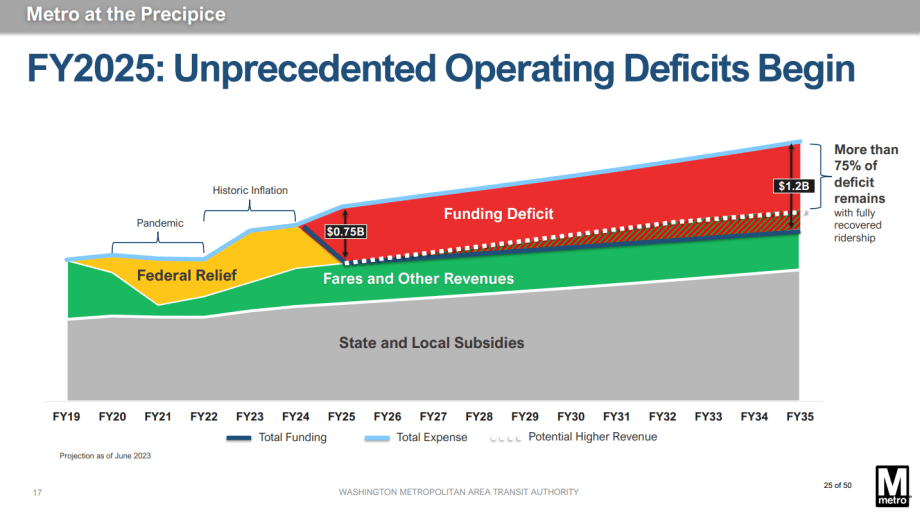
The Washington Metropolitan Area Transit Authority (Metro) announced it has detailed its future financial planning to address structural funding issues that will leave a projected $750 million shortfall in the fiscal year 2025 budget when federal COVID-19 relief funding runs out.

Without an increase in funding, Metro said it would be forced to make drastic cuts to rail, bus, and paratransit services across the region.

Ad Loading...

Financial Issues Facing Metro

The long-term financial issues facing Metro, come amid improving service, investments in modernization, and growing ridership.

As of May, weekday ridership on Metrorail and Metrobus is at 50% and 88% of pre-pandemic levels, respectively, with ridership as high as 800,000 trips or more combined on bus and rail.

Customer satisfaction is also rising, with rail at 84%, a 16-point increase over the same time last year, and bus up two points to 71%.

Fare increases and service cuts alone would not close the gap and could devastate the region financially and economically, reversing the progress made over the past year.

"We cannot afford to let Metro fail. It is too important to the region, our economy, and quality of life, connecting people to jobs and family, reducing gridlock, and cutting carbon emissions," said Metro GM/CEO Randy Clarke. "Concerns were first raised about the lack of a dedicated and ongoing funding source in 1976 when Metrorail opened, and it is time for the region to come together to solve this serious financial challenge."

Ad Loading...

Metro's Future Financial Planning

Metro staff presented a detailed analysis of Metro’s future financial planning to the Board of Directors.

"Without a strong, reliable transit system millions of people across the region stand to lose," said Metro Board Chair Paul C. Smedberg. "Customers would see longer waits, constant gridlock, higher fares, and reduced operating hours and the region’s economy could stagnate."

Nearly three million people living in the region, 70% of jobs, and 50% of employers are located within a half-mile of a Metro station or bus stop.

Metro's structural funding issues were accelerated by the pandemic with an unprecedented shortfall projected for FY25, the result of inflation and labor costs, decreased revenue from ridership, subsidy reduction, and forgone annual funding increases to support our local and state funding partners during the pandemic.

Balancing the budget with service cuts would require eliminating two-thirds of Metro's existing service, with no service after 9:30 p.m. All but 37 of 135 bus lines would no longer operate, customers would wait 20-30 minutes for trains on all lines, and MetroAccess would serve a much smaller area with fewer hours.

Ad Loading...

Transit agencies across the country, from Chicago to Los Angeles are facing similar financial difficulties starting as early as FY25 due to the pandemic. In New York and California, lawmakers have come together to pass legislation to save their transit agencies from financial collapse.

Over the next year, Metro said it will engage with federal, state, and local leaders, businesses, and other key stakeholders to explore long-term funding solutions that would be incorporated into the budget process and implemented next year. 

More Management

Cover photo for A Practical Guide for Selling to Private Equity
MotorcoachApril 3, 2026

How Motorcoach Operators Can Prepare for a Private Equity Sale

Essential strategies to strengthen your business before entering a private equity transaction.

Read More →
A fleet of Caltrain electrified trains on tracks
Railby StaffApril 3, 2026

Funding Gap Could Force Caltrain to Slash Service, Close Stations

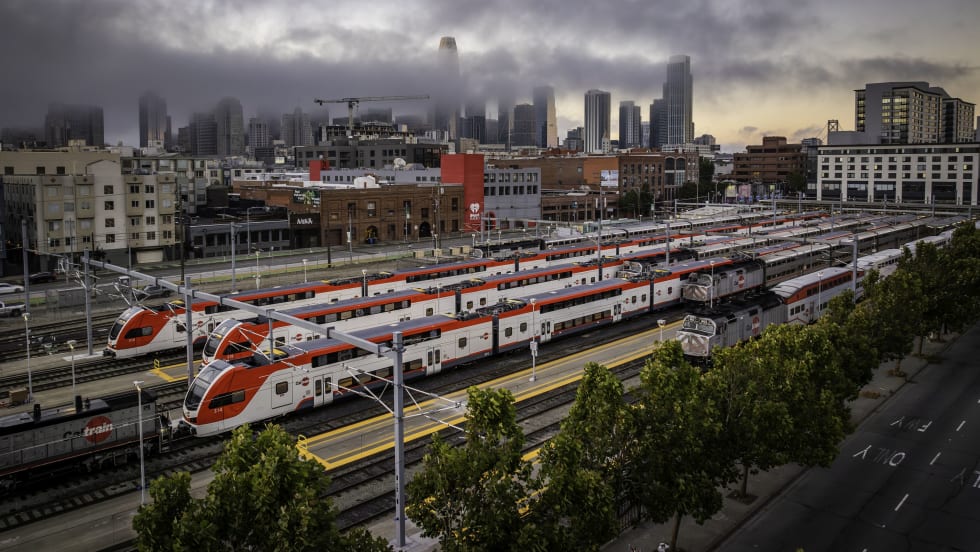
The Peninsula Corridor Joint Powers Board recently met for a budget workshop, during which staff outlined the significant service reductions Caltrain could be forced to make without new external funding. 

Read More →
METRO's People Movement with MCI President Rob Marion
Managementby Staff and News ReportsApril 3, 2026

NFI Group Taps New MCI President and More in People Movement

In this edition, we cover recent appointments and announcements at Alstom, VIA Metropolitan Transit, Transdev US, and more, showcasing the individuals helping to shape the future of transportation.

Read More →
Ad Loading...
A subway train stopped at the 48th Street platform in Manhattan.
Managementby Staff and News ReportsApril 1, 2026

Manhattan’s Central Business District Travel Climbs to 6.3 Million Daily Trips as Transit Leads Growth

Although volumes remain below pre-pandemic levels, NYMTC’s latest Hub Bound report shows rising transit use, shifting commute patterns, and continued recovery.

Read More →
frontrunner bus
SponsoredApril 1, 2026

Breaking Accessibility Barriers with the Low Floor Frontrunner Minibus

Accessible transit isn’t a feature—it’s a responsibility. This whitepaper explores how the Low-Floor Frontrunner is redefining mobility with a breakthrough design that removes barriers, empowers riders, and delivers measurable operational advantages for agencies. Discover why this next generation minibus is setting a new standard for inclusive transportation.

Read More →
An MBTA commuter rail at a station.
Railby StaffMarch 31, 2026

Massachusetts Announces Summer Savings for Commuter Rail Riders

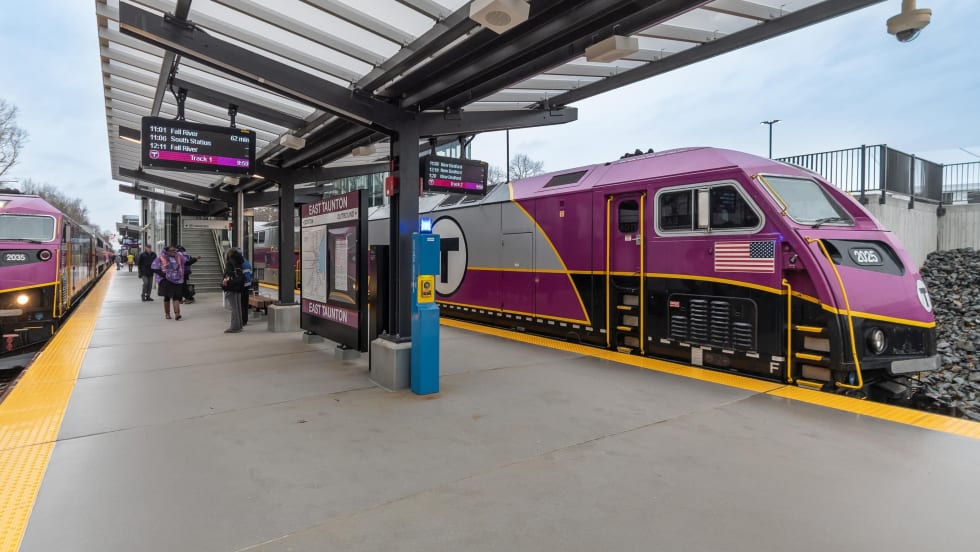
With major events and increased travel expected across the state this summer, the Administration is focused on making sure people have a reliable, affordable alternative to driving so we can reduce congestion, support daily commuters, and keep Massachusetts moving.

Read More →
Ad Loading...
A MARTA employee using the new Better Breeze fare ticket machines.
Managementby StaffMarch 30, 2026

Updated: MARTA’s New 'Better Breeze' Fare System Goes Live

The new system introduces tap-to-pay, touchscreen kiosks, and updated Breeze cards, with both old and new systems running through May.

Read More →
ABA Marketplace Report
Motorcoachby StaffMarch 30, 2026

ABA Marketplace Drives $124.9M in Business, New Report Finds

As the American Bus Association marks its 100th year, a new ABA Foundation report highlights the Marketplace’s role as a key revenue engine for the bus and group travel industry.

Read More →
Coach USA, Samsara cover shot
Technologyby Alex RomanMarch 30, 2026

How Coach USA Is Using AI to Prevent Bus Accidents

As motorcoaches navigate increasingly congested urban corridors filled with pedestrians, cyclists, scooters, and distracted drivers, safety leaders across the industry are confronting a growing challenge: visibility.

Read More →
Ad Loading...
Five different gold commemorative Smart Trip card designs.
Managementby StaffMarch 27, 2026

WMATA Proposes Revised FY2027 Budget as System Marks 50 Years of Service

Updated financial plan reflects ridership growth and cost controls as the Washington region’s transit system celebrates five decades of operations.

Read More →