




Read More: USDOT to Help States Advance Intercity Passenger Rail Development
USDOT Release Guide for Planning Urban Electric Mobility Infrastructure
The new guide follows the Rural EV toolkit released last year and updated earlier this summer.
July 12, 2023
The toolkit builds on the efforts of the Joint Office to provide states and communities across America with information and assistance to accelerate an electrified transportation system.
Photo: USDOT
2 min to read
The U.S. Department of Transportation, in collaboration with the U.S. Department of Energy and the Joint Office of Energy and Transportation (Joint Office), released a free technical resource to help larger communities take full advantage of Federal funding for electric vehicle (EV) charging stations and other forms of electric transportation.
The new guide is called "Charging Forward: A Toolkit for Planning and Funding Urban Electric Mobility Infrastructure," which provides a resource for communities, metropolitan planning organizations (MPOs), transportation providers, businesses, and property owners and developers by including information on how to scope, plan, and identify ways to best leverage billions of dollars in funding from President Biden’s Bipartisan Infrastructure Law.
What the New Toolkit Includes
The toolkit builds on the efforts of the Joint Office to provide states and communities across America with information and assistance to accelerate an electrified transportation system.
The toolkit also includes guidance to help urban areas implement other forms of electric transportation, such as public transit, electric bikes and scooters, and rideshare services.
"Under President Biden’s leadership, we’re creating a generation of good-paying jobs – many of which don’t require a four-year degree – building a nationwide network of EV chargers,” said U.S. Transportation Secretary Pete Buttigieg. “This toolkit will help all communities, big and small, bring EV charging to their residents, which will lower costs for drivers, create jobs, and reduce pollution.”
Last September, DOT approved plans from all 50 states and DC and Puerto Rico to build a nationwide network of EV chargers, supported by $5 billion from the Bipartisan Infrastructure Law’s National Electric Vehicle Infrastructure Program.
This spring, DOT opened the application process for the first $700 million of the total $2.5 billion in funding to build EV charging infrastructure in communities and neighborhoods across the country through the Charging and Fueling Infrastructure (CFI) Discretionary Grant Program.
Together, the funding represents the largest investment in EV charging in U.S. history and a step towards meeting the Biden-Harris Administration’s goal of building 500,000 public EV chargers and reducing national greenhouse gas emissions by 50-52% by 2030.
The toolkit builds on recent progress towards the expansion of EV infrastructure, including the recently published minimum standards for federally funded EV infrastructure and President Biden’s EV charging Build America, Buy America requirements.
Earlier this year, the Biden-Harris Administration released the first blueprint to decarbonize the nation’s transportation sector and cut all transportation-related greenhouse emissions by 2050 – an interagency effort between DOT, the U.S. Department of Energy, U.S. Department of Housing and Urban Development, and the U.S. Environmental Protection Agency.
More Zero Emissions
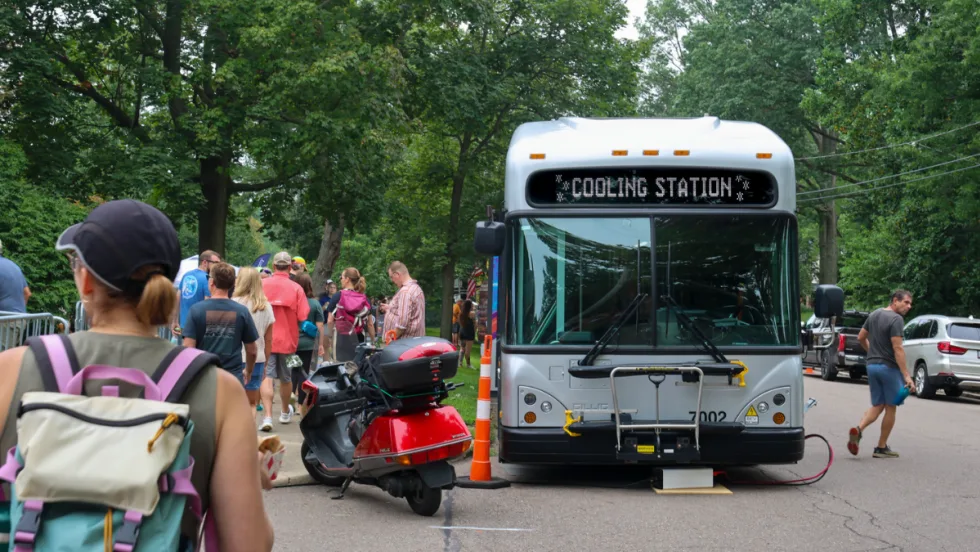
Ohio’s METRO RTA Turns Electric Buses into Mobile Power Sources at PorchROKR
See how three Gillig battery-electric buses powered festival stages while the agency’s new Park & Ride service carried approximately 1,000 attendees, demonstrating another potential use for transit agencies’ electric fleets.
Read More →
CALSTART and Forth Combine to Form Catalyst Mobility
The new name represents a renewed vision for the nonprofit focused on advancing clean, equitable, and affordable transportation solutions that move people and goods.
Read More →
Building a Flexible Path to Transit Electrification
John Hroncich discusses BAE Systems’ modular and scalable approach, lessons learned from decades of real-world operations, and how agencies can identify electrification strategies that fit their fleets.
Read More →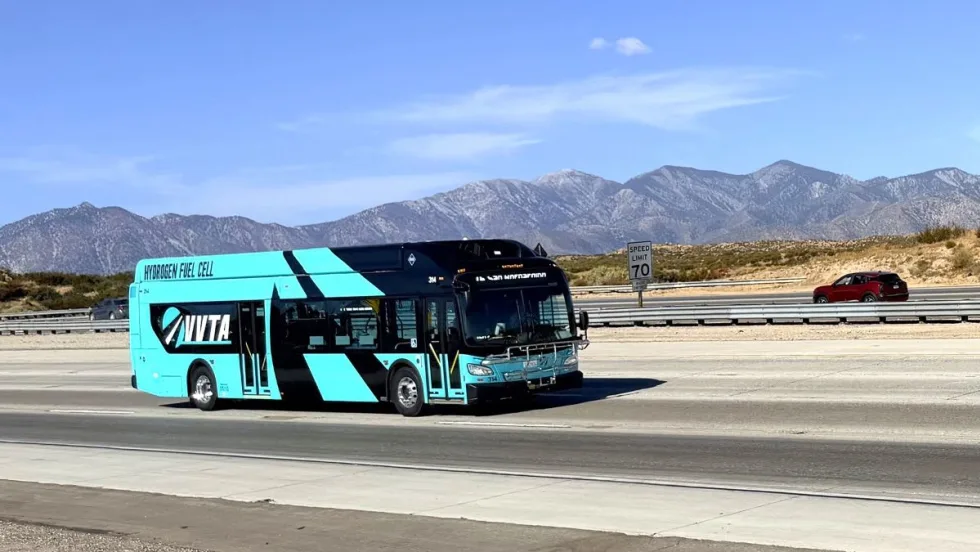
California's VVTA Begins Phased Rollout of Hydrogen Fuel Cell Buses
The agency is introducing 13 zero-emission buses into revenue service while evaluating performance across its urban, rural, and long-distance routes.
Read More →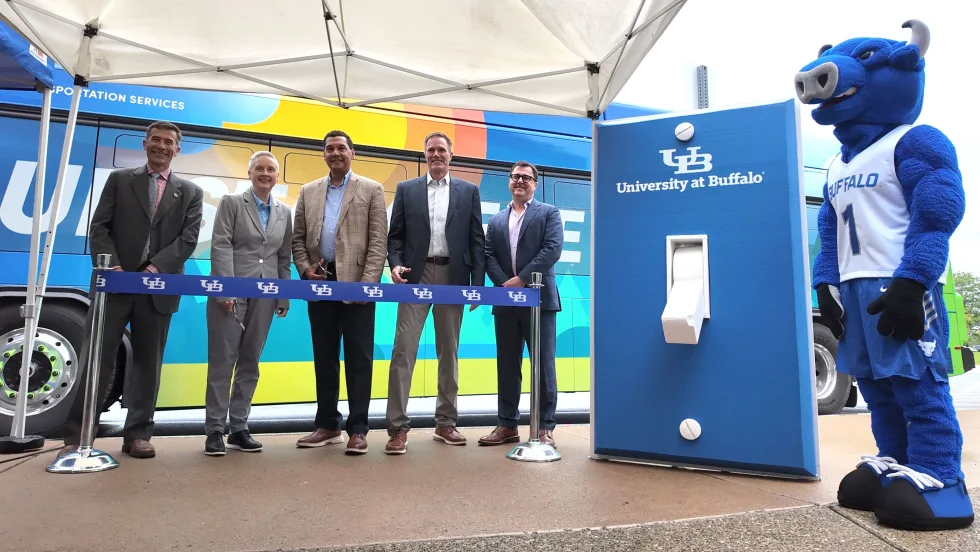
Inside Look: University at Buffalo Puts First 8 Electric Buses Into Stampede Service
UB, transportation solutions provider WeDriveU, and fleet electrification specialist Zenobē marked the deployment in the presence of students, university administrators, and local officials.
Read More →
Biz Briefs: OCTA Taps Clean Energy for Hydrogen Station, Stadler to Supply Via Rail Vehicles, and More
From manufacturers and suppliers to transit agencies and motorcoach operators, these updates offer a snapshot of the projects, partnerships and business moves driving the industry forward.
Read More →
AC Transit’s Cecil Blandon on Building the Next Generation of Transit Maintenance Leaders
The agency’s maintenance chief discusses leadership, workforce development, zero-emission technology, and preparing technicians for the future of public transportation.
Read More →
CTDOT Taps STV for Electric Bus Facility Design
The firm will work with CTDOT and RVT to define the facility layout, operational requirements, and long-term flexibility for RVT’s growing electric fleet.
Read More →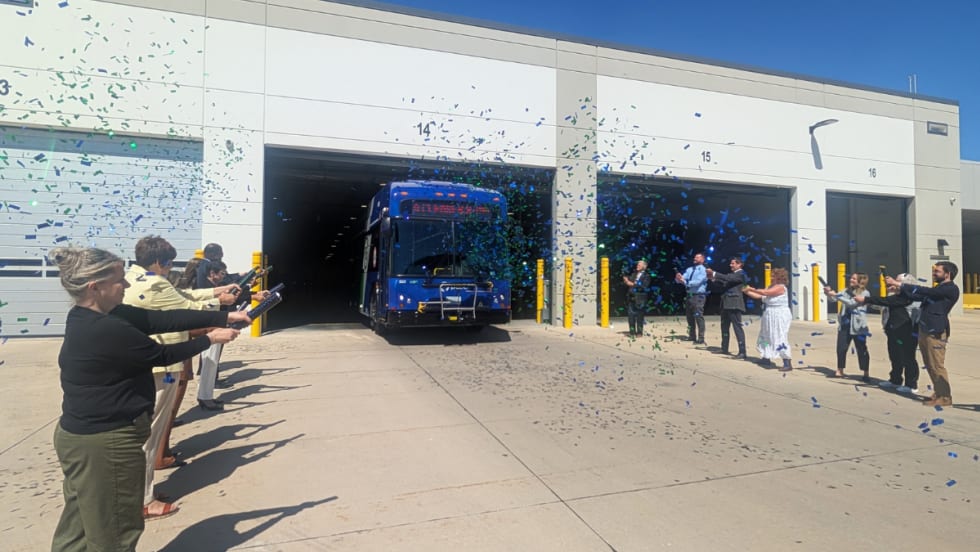
Chicago’s Pace Deploys 24 Hybrid-Electric Buses in Will County
The new buses reduce emissions and fuel consumption while advancing the agency's long-term goal of transitioning to a fully zero-emission fleet.
Read More →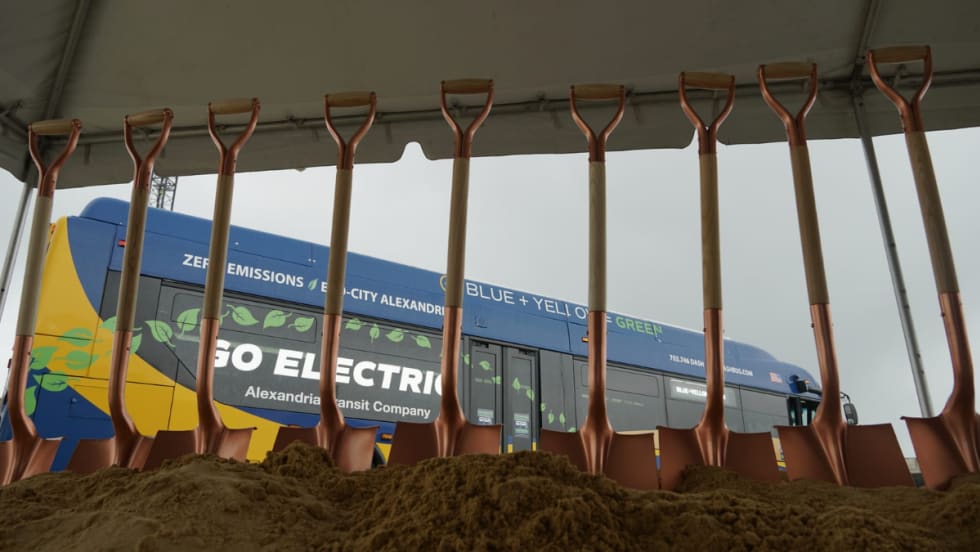
DASH Breaks Ground on First On-Route Electric Bus Chargers in D.C. Region
The fast-charging infrastructure will help extend electric bus range, improve fleet utilization, and support DASH's goal of transitioning to a fully zero-emission fleet.
Read More →