




Read More: USDOT Launches New Center Focused on Delivering Infrastructure Projects
USDOT Partners with Kansas City to Finance Mobility, Infrastructure Projects
The Emerging Projects Agreement (agreement) focuses on Kansas City’s more than $15 billion network of projects designed to improve mobility, connectivity, safety, and equity throughout the region.
October 24, 2023
The partnership will help spur work for an east-west Streetcar extension to connect underserved communities with healthcare, jobs, and the heart of Kansas City.
Photo: FTA
3 min to read
The U.S. Department of Transportation (DOT) announced that it has established a strategic partnership to enhance delivery and finance infrastructure improvements in Kansas City, Missouri.
The Emerging Projects Agreement (agreement) focuses on Kansas City’s more than $15 billion network of projects designed to improve mobility, connectivity, safety, and equity throughout the region.
The partnership will help spur work for an east-west Streetcar extension to connect underserved communities with healthcare, jobs, and the heart of Kansas City.
“This Department is always ready to partner with cities to help realize their unique visions for safer, cleaner, more modern transportation,” said U.S. Transportation Secretary Pete Buttigieg. “I’ve had the chance to see firsthand the great strides Kansas City is taking to modernize their infrastructure, and this agreement will help advance that work for years to come.”
Under the agreement, the Build America Bureau (Bureau) and Kansas City will explore opportunities for project planning, procurement, financing, and delivery that could include using low-interest rate financing such as the Transportation Infrastructure Finance and Innovation Act (TIFIA) loans, Railroad Rehabilitation and Improvement Financing(RRIF), Private Activity Bonds (PABs), and technical assistance grants.
“This agreement formalizes our collaborative effort to explore innovative approaches and best practices with Kansas City’s officials. We have formed a strong partnership to deliver this program effectively and efficiently,” said Bureau Executive Director Morteza Farajian. “Together, we will advance these critical projects in innovative and sustainable ways so we can ensure the continued mobility and economic health of this thriving community.”
Projects to Benefit from USDOT, Kansas City Partnership
Some of the projects that could benefit from this partnership include:
A fixed, 21-mile rail line from the airport to connect travelers, visitors, and employees to downtown Kansas City and the core of the city’s transportation systems ($10.5 billion).
Bi-State Streetcar Expansion, an East-West Streetcar extension connecting underserved communities with healthcare, jobs, and to the heart of the city ($1.5 billion).
Reconnecting The Eastside, a study of the Highway 71 corridor to address the scars and displacement this corridor has left on historic Black neighborhoods ($1.6 billion).
Reconnecting The Westside, a study of the I-35 corridor to address the disruption caused by the viaduct and connect Kansas City’s Hispanic communities to the downtown Central Business District ($1.5 billion).
Construction of an urban park at Interstate 670 to add green space and remove the divide created by the construction of the highway ($314 million).
Bridge critical repairs or replacement city-wide ($147 million).
Blue River Watershed safety and connectivity improvements, including economic and workforce development and neighborhood reinvestment programs. ($123 million).
Vision Zero city-wide safety and connectivity improvements for all modes of transportation and every user ($75 million).
Build America Bureau Executive Director Morteza Farajian and Kansas City Mayor Quinton Lucas signed the agreement at a ceremony at the Barkley Building in downtown Kansas City, which was formerly the Trans World Airlines (TWA) headquarters until 1964. The Barkley Building is located next to the Kansas City Streetcar line.
The Bureau and Kansas City held a workshop with stakeholders in August to review infrastructure needs and help identify potential solutions. DOT and Kansas City consider infrastructure projects on their public benefits and in a manner that promotes equity and environmental justice.
More Management
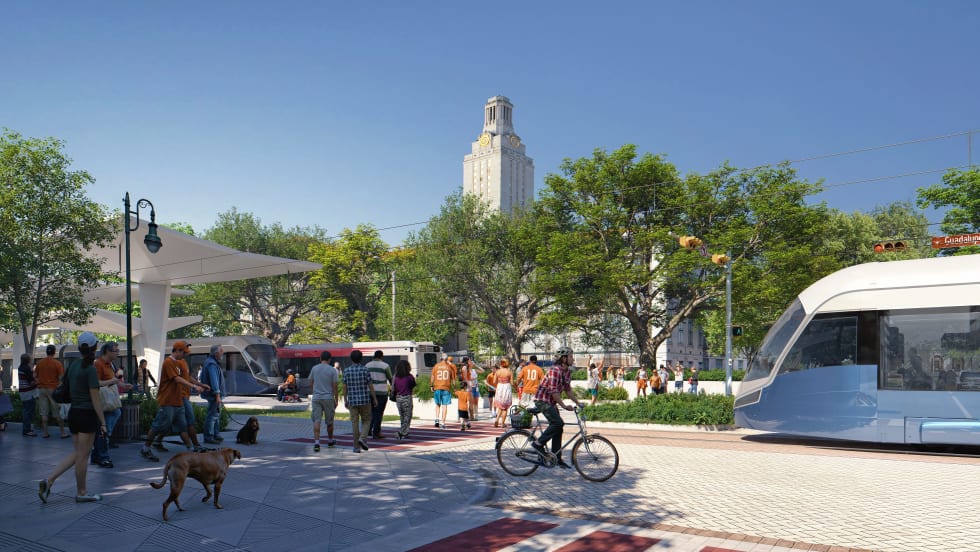
Bringing Austin’s First Light Rail System to Life
Austin Transit Partnership CEO Greg Canally discusses the city's nearly 10-mile light rail project, its collaborative approach to project delivery, the importance of community engagement, and the milestones ahead as construction approaches in 2027.
Read More →
ETA CEO John Maglio on Transit Technology, Innovation, and Building Agency Trust
ETA founder and CEO John Maglio explores the evolution of transit technology, the importance of reliable systems, and how stronger partnerships can help agencies improve operations and the passenger experience.
Read More →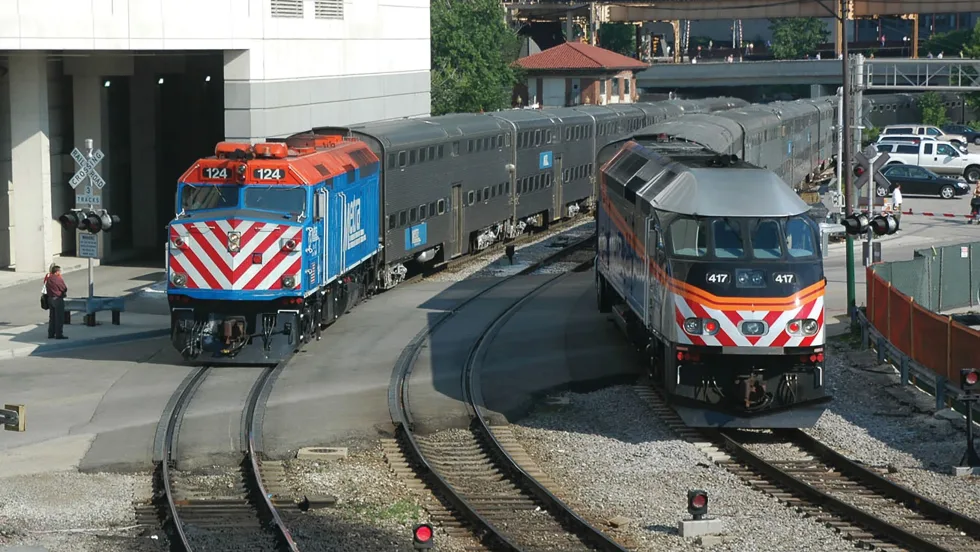
Metra Draft Plan Outlines Costs, Service Improvements for Regional Rail
The Systemwide Network Plan identifies infrastructure needs and potential investments to expand all-day, bidirectional rail service across the Chicago region.
Read More →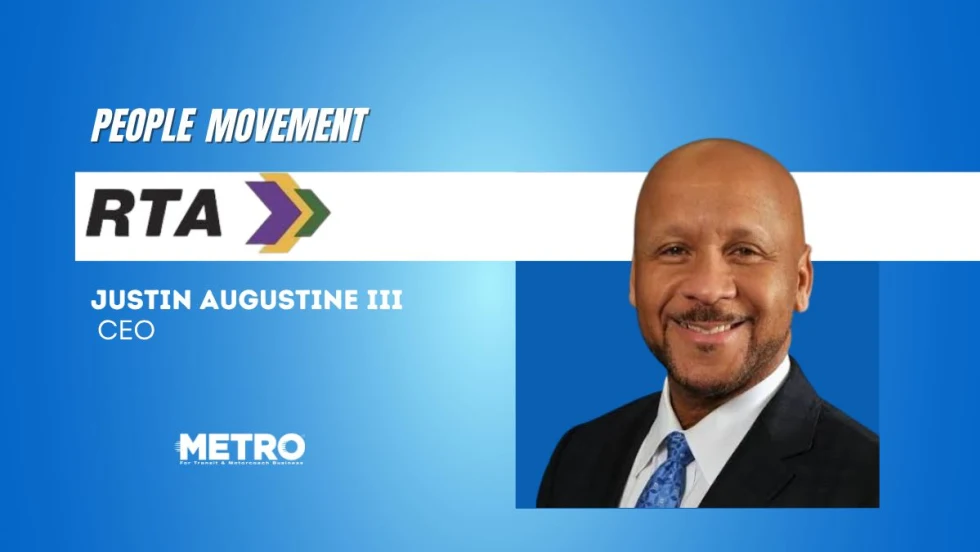
New Orleans RTA Names Augustine III as New CEO
In this edition, we also spotlight recent personnel moves at HDR, PATH, STV, and more, highlighting the people taking on new roles across the transportation industry.
Read More →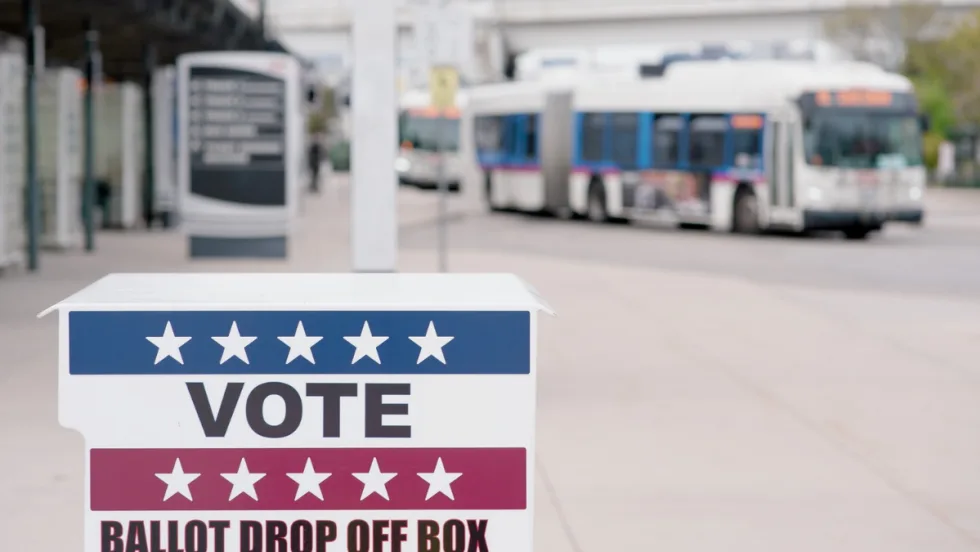
How Transit Agencies Are Using Free Rides to Improve Voting Access
Transit agencies are using fare-free service, trip-planning tools, and targeted rides to improve voting access. See what other agencies can learn from these efforts.
Read More →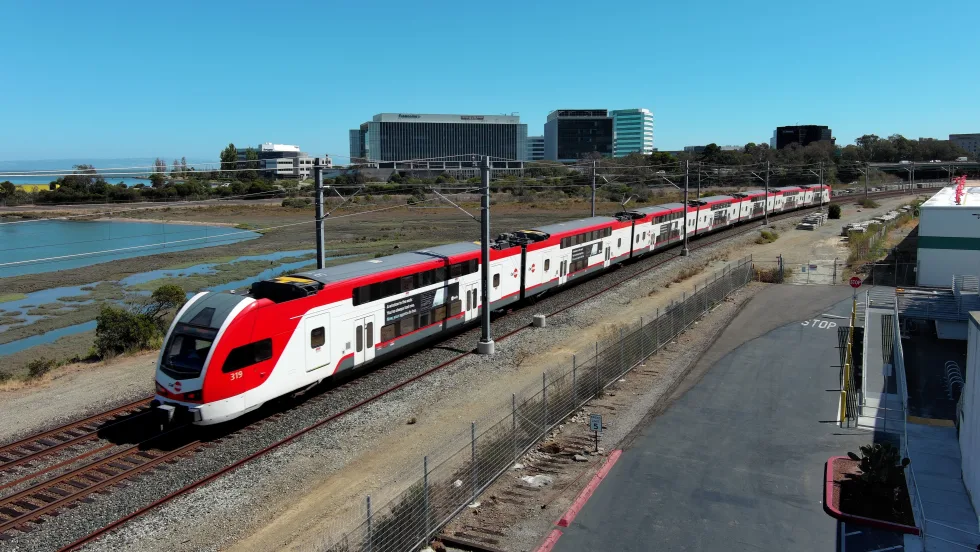
Caltrain’s Electrification Drives a New Era of Ridership Growth
The railroad’s shift to electric service has brought more frequent trains, stronger customer satisfaction, and increased ridership, earning it APTA’s Outstanding Public Transportation System award.
Read More →
Chicago, Charlotte Transit Agencies Expand Rider Support Programs
CTA launched crisis intervention teams as CATS prepares to deploy fare ambassadors, expanding customer assistance and security efforts across both systems.
Read More →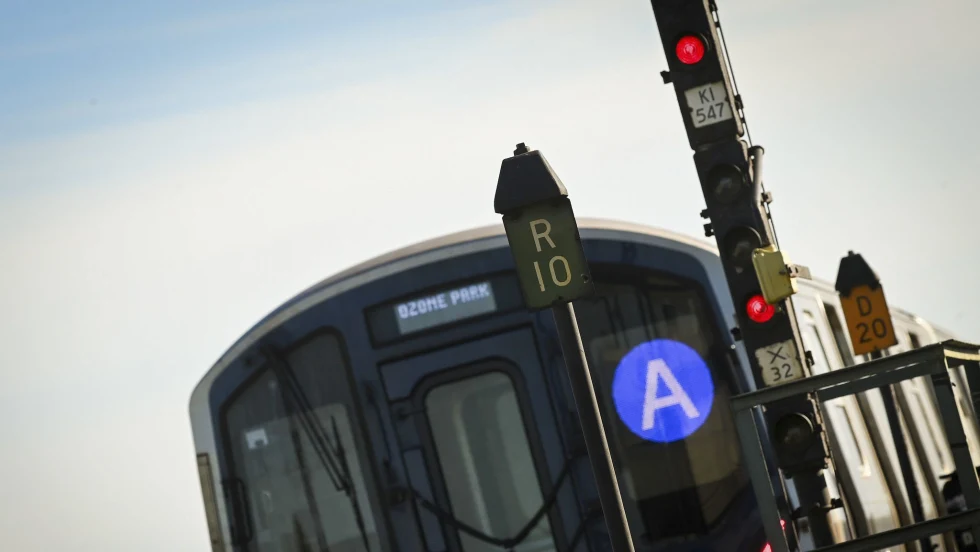
New York MTA Launches Historic $1.9B Signal, Track Modernization Project
Funded in part by congestion pricing revenue, the project will replace nearly century-old signals along the A and C lines in Brooklyn and Queens.
Read More →
Brian Dickson on Building Stronger, More Resilient Transportation Organizations
Bus Business Consultants Founder Brian Dickson discusses the leadership principles, operational discipline, and strategic planning that separate transportation companies positioned for long-term success from those stuck in survival mode.
Read More →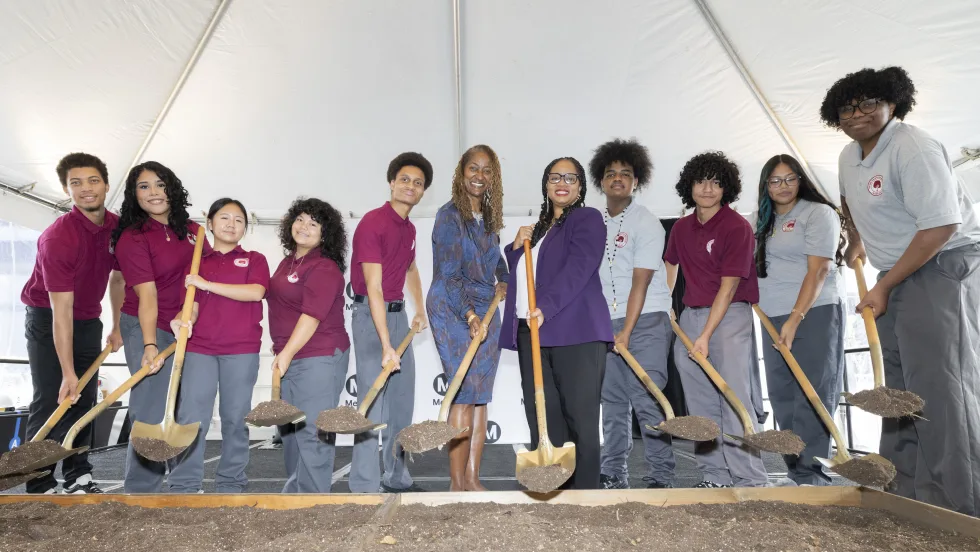
LA Metro Breaks Ground on Vermont BRT Project
The 12.4-mile corridor is projected to serve 66,200 daily riders, reduce travel times by up to 24%, and create the nation's busiest bus rapid transit corridor.
Read More →