




Read More: FRA Grants $38.3M to L.A. Metro for Project to Improve Safety
FRA Awards $16.4B for Passenger Rail Projects
Projects were selected through the Bipartisan Infrastructure Law’s Federal-State Partnership for Intercity Passenger Rail Program (Fed-State NEC).
November 7, 2023

The latest investment will overhaul infrastructure that outdates 99% of all living Americans by replacing or upgrading 12 major bridges and tunnels that are over 100 years old.
Photo: FRA
5 min to read
The U.S. Department of Transportation’s Federal Railroad Administration (FRA) today announced it has awarded $16.4 billion for 25 passenger rail projects along the Northeast Corridor (NEC), a railroad line running between Boston and Washington, D.C.
This particular line is one of the highest-volume passenger rail corridors in the world and the busiest in the U.S., with hundreds of thousands of daily riders. It also supports billions of dollars in annual economic activity.
Projects were selected through the Bipartisan Infrastructure Law’s Federal-State Partnership for Intercity Passenger Rail Program (Fed-State NEC).
This rail announcement, which will support over 100,000 good-paying construction jobs and advance Gateway Program projects, is a step forward as President Biden advances a vision for passenger rail. It is also the latest in a series of rail investments made under the Biden-Harris Administration.
The latest investment will overhaul infrastructure that outdates 99% of all living Americans by replacing or upgrading 12 major bridges and tunnels that are over 100 years old.
Taken together, these investments will upgrade tunnels, bridges, tracks, power systems, signals, stations, and more, allowing for increased speeds, reduced travel time, and a more reliable experience for riders.
“Under President Biden, we are finally delivering the generational investments in passenger rail that Americans have wanted for years, including modernizing the busiest rail corridor in the country,” said U.S. Transportation Secretary Pete Buttigieg. “These investments will make our busiest passenger railroad safer, faster, and more reliable, which means fewer delays and shorter commutes for the 800,000 passengers who rely on the Northeast Corridor every day.”
Funding for Fed-State NEC Projects
Examples of major Fed-State NEC projects moving forward with new funding include:
New Jersey/New York – Gateway Program: Hudson Tunnel Project Systems and Fit Out (Up to $3,799,999,820) The project includes the final design and construction of the Hudson River Tunnel project and rehabilitation of the existing 113-year-old North River tunnels. Construction will include the installation of track, signals, traction power, ventilation, fire and life safety systems, and other necessary systems work in the new Tunnel. As matching funds, the Gateway Development Commission (GDC) will provide approximately $950 million as part of a financing package through DOT’s Railroad Rehabilitation and Improvement Financing (RRIF) loan program. For the larger Hudson Tunnel Project: FRA has committed an additional $912 million through Amtrak; FTA has determined a contribution of up to $6.88 billion under their Capital Investment Grants program; USDOT has provided $25 million through the Rebuilding American Infrastructure with Sustainability and Equity (RAISE) program; and GDC will provide additional RRIF funds as part of the financing package.
Maryland – B&P Tunnel Replacement Program: Frederick Douglass Tunnel (Up to $4,707,571,556)The proposed project includes the final design and construction of the Baltimore and Potomac tunnel replacement, to be known as the Frederick Douglass Tunnel. The project constructs a new two-track tunnel for passenger rail use, three ventilation facilities, and an approach track. The project also reconstructs associated railroad and roadway bridges in the project area and rebuilds the West Baltimore commuter station to accommodate the new railroad alignment and upgrade the station to fully accessible high-level platforms. Upon completion, speeds along this segment will increase from 30 mph to 110 mph, eliminating the slowest section of the mainline track between Washington, D.C., and New York City. The tunnel is used by Amtrak’s intercity services and Maryland Area Regional Commuter Penn Line service.
Maryland – Susquehanna River Bridge Replacement Program (Up to $2,081,215,100) The project includes final design and construction for two new fixed, two-track bridges over the Susquehanna River between Havre De Grace and Perryville, Maryland, replacing the current 117-year-old, two-track structure that is beyond its useful life. The new spans will improve upon the 90-mph speed on the current structure, with one span designed for 125-mph operation and the other for up to 160-mph operation, reducing travel time for thousands of daily passengers along the NEC. Amtrak’s intercity services, Maryland Area Regional Commuter service, and freight service use the crossing. The project will improve the state of good repair and provide additional capacity to meet future growth. Amtrak and the State of Maryland will collectively provide $520 million in matching funds.
Connecticut – Connecticut River Bridge Replacement (Up to $826,645,100) The project includes construction to replace the existing Connecticut River bridge between Old Saybrook and Old Lyme, Connecticut, with a modern and resilient moveable bridge immediately to the south of the existing structure. The existing Amtrak-owned 116-year-old bridge poses a risk of long-term major disruption on the NEC due to its age and condition. The replacement bridge would maintain the two-track configuration and existing channel location and provide a bascule moveable span with additional vertical clearance for maritime traffic. The bridge serves the NEC main line and is used by Amtrak’s intercity services, Connecticut Shore Line East commuter service, and freight operators. The new structure will improve safety, and reliability, and increase operating speed for all operators. Amtrak will provide $148 million, and Connecticut will provide $58 million in matching funds.
New York – East River Tunnel Rehabilitation (Up to $1,261,851,977) The project includes the final design and construction of the East River Tunnels in New York City. The tunnels are used by Amtrak’s NEC services, Long Island Rail Road, and New Jersey Transit for a total of more than 400 daily trains. The 100-plus-year-old structure has four tracks, and this project will fund the full rehabilitation of tracks 1 and 2, with the installation of a new direct fixation track, traction power, drainage systems, signals, communication systems, and fire and life safety upgrades throughout the tunnel. Damage to the tunnels from Superstorm Sandy will be fully remediated, returning tracks 1 and 2 to a state of good repair and preparing the tunnels to accommodate future growth. Amtrak is contributing $55 million, the New York Metropolitan Transportation Authority is contributing $175 million, and New Jersey Transit is contributing $85 million in matching funds.
More Rail
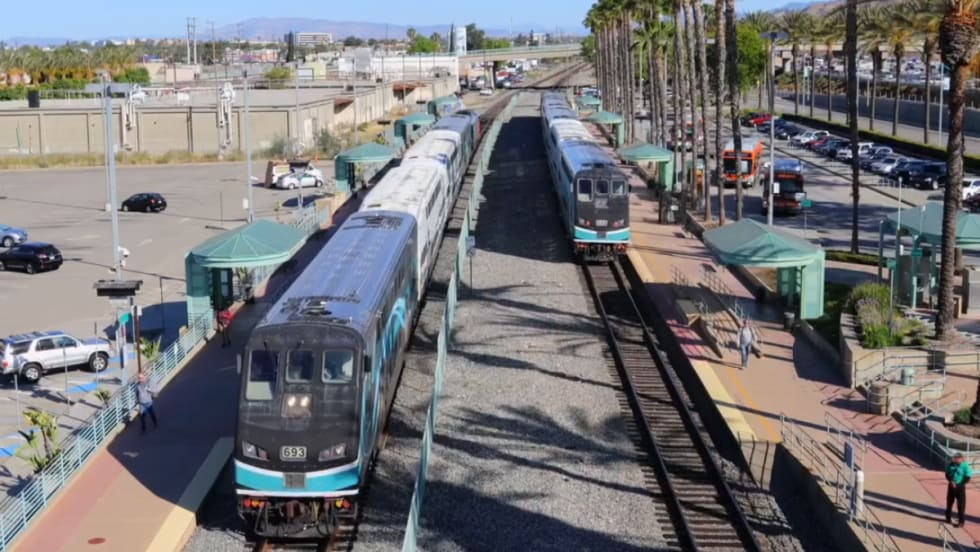
Southern California’s Metrolink Approves $508.8M Budget, Avoids Service Cuts
A $20 million state allocation allows the regional rail agency to maintain existing weekday and weekend service through fiscal year 2028, although longer-term funding challenges remain.
Read More →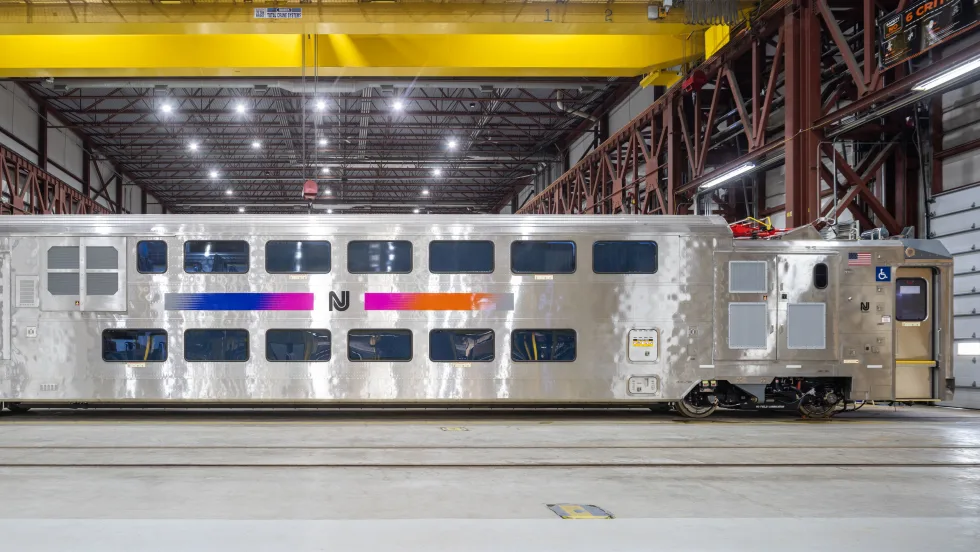
NJ TRANSIT Approves $65.6M for Hudson-Bergen Light Rail Improvements
The funding marks the first phase of a planned $250 million investment over five years to modernize stations, overhaul vehicles, and improve system reliability and passenger safety.
Read More →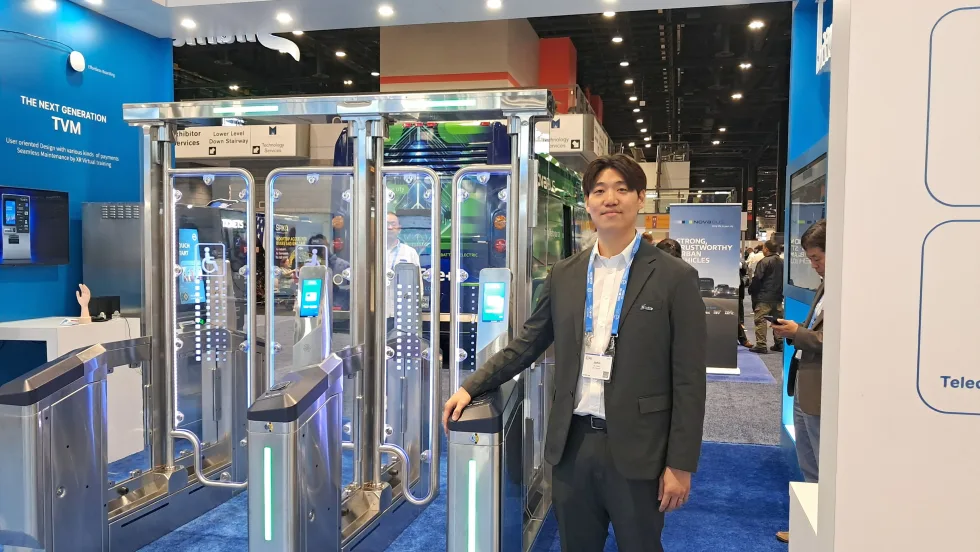
STraffic Expands North American Presence with Fare Collection Technology
John Moon, Associate Director, Product Strategy at STraffic, discusses the company's growth in North America, its efforts to reduce fare evasion, and more.
Read More →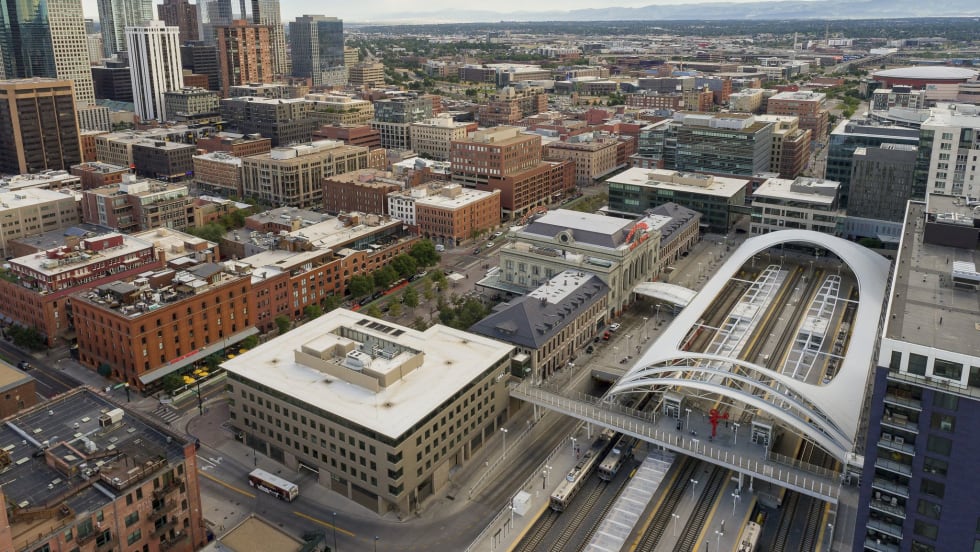
Study: Denver RTD Generates $2.1 Billion in Annual Economic Activity
An economic impact study finds the agency supports approximately 17,500 jobs, delivers $1.6 billion in annual community and mobility benefits, and generates $2.42 in economic value for every dollar invested.
Read More →
Mark Aesch Nominated to Lead Federal Transit Administration
The former Rochester transit chief and TransPro founder, who has also contributed to METRO Magazine, brings decades of industry experience and a focus on performance, accountability, and financial sustainability to the nomination.
Read More →
Transit Expands Agency Partnerships, Reaching 200 Official App Partners
COO Jake Sion discusses Transit’s growth, the success of its Transit Royale program, and how technology is helping agencies improve the rider experience.
Read More →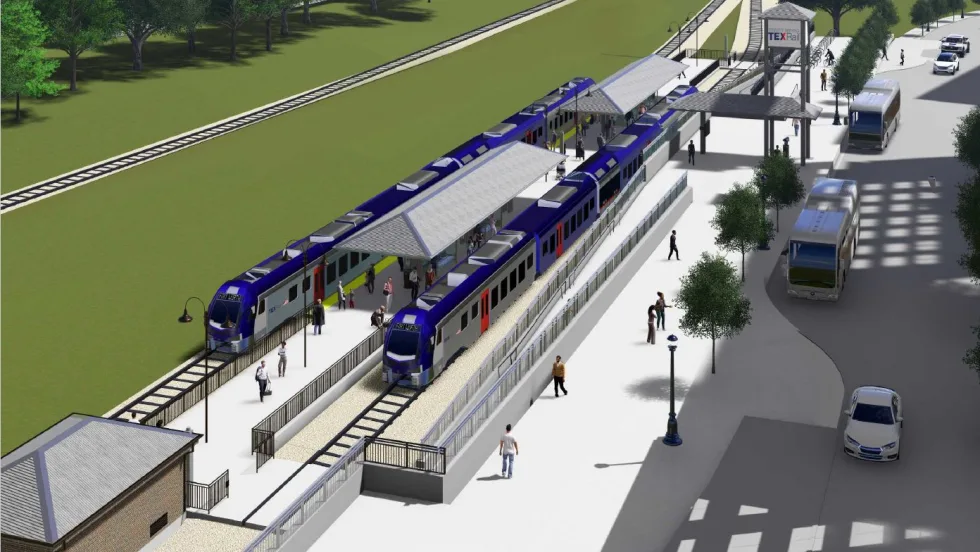
Trinity Metro Breaks Ground on $270M TEXRail Extension
The 2.1-mile extension will connect Fort Worth’s Medical District and Near Southside to downtown, surrounding communities, and Dallas-Fort Worth International Airport.
Read More →
Bringing Austin’s First Light Rail System to Life
Austin Transit Partnership CEO Greg Canally discusses the city's nearly 10-mile light rail project, its collaborative approach to project delivery, the importance of community engagement, and the milestones ahead as construction approaches in 2027.
Read More →
Metra Draft Plan Outlines Costs, Service Improvements for Regional Rail
The Systemwide Network Plan identifies infrastructure needs and potential investments to expand all-day, bidirectional rail service across the Chicago region.
Read More →
Amtrak Completes First Street Tunnel Upgrades, Restores Service
The nine-day construction project included replacing aging track infrastructure and modernizing switch systems near Washington Union Station.
Read More →