




Read More: MBTA Announces New Green Line Car Exterior Paint Design
MBTA Announces Track Improvement Program
The program is part of the MBTA’s efforts to “Rebuild, Restore, and Reimagine” the public transit system.
November 9, 2023
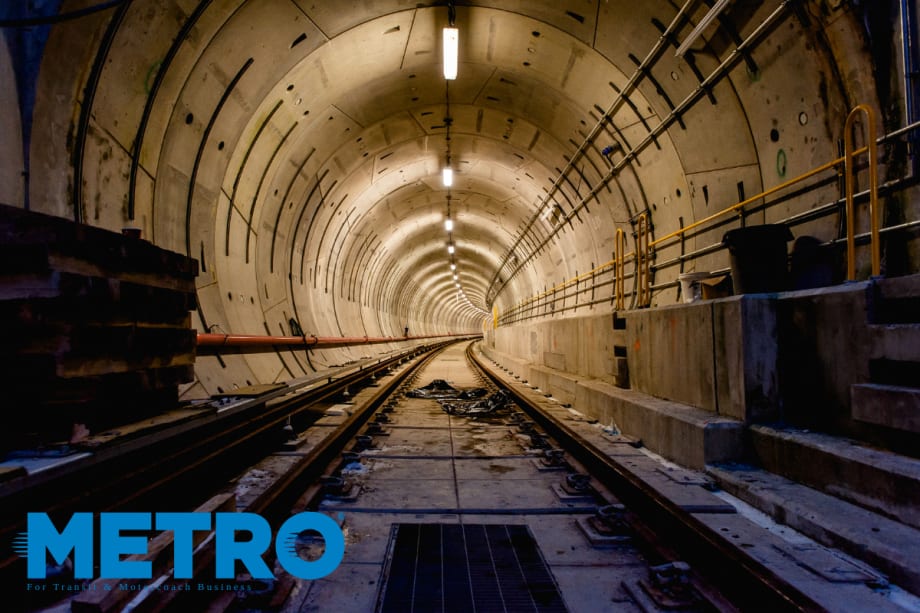
The MBTA will schedule Track Improvement Program work during nights, weekends, and shutdown periods to minimize service, time, and cost impacts.
Photo: Canva
2 min to read
The Massachusetts Bay Transportation Authority (MBTA) announced the launch of its Track Improvement Program, an initiative to eliminate all existing speed restrictions and fix tracks closer to a state of good repair by the end of next year.
The program is part of the MBTA’s efforts to “Rebuild, Restore, and Reimagine” the public transit system.
Details on MBTA's New Program
The MBTA’s new program to fix the tracks will involve a wide range of work, including spot repairs, tie replacements, rail replacement, and ballast replacement.
The MBTA will also be expanding its engineering teams and engaging specialized rail contractors to execute the work efficiently.
The MBTA will schedule Track Improvement Program work during nights, weekends, and shutdown periods to minimize service, time, and cost impacts.
“By restoring our tracks, we are addressing the root causes of the speed restrictions that have accumulated over decades,” said MBTA GM/CEO Phillip Eng. “Our efforts to rebuild track infrastructure across the Red, Orange, Blue, and Green Lines will improve train speeds substantially, reduce delays and disruptions, enhance safety, and deliver timely, reliable, and consistent service for riders. Our team is deeply committed to seeing this through and we thank the public for their patience as we move the T forward. We will have a robust open house schedule to ensure the public has an opportunity to ask questions and learn more about the various projects throughout the year.”
Importance of Speed Restrictions
Existing speed restrictions total 191 as of Nov. 6.
This year, the program aims to address 39 speed restrictions to further reduce travel times. Next year, by the end of 2024, the plan endeavors to revitalize over 27,900 railroad ties and 124,880 feet of track to improve safety and reliability.
Over 208,000 feet of tamping (a process used to pack the track ballast under railway tracks to make the tracks and roadbed more durable and level) will help smooth riding surfaces and allow for more comfortable, efficient train operations for the public.
The MBTA added that it is committed to eliminating speed restrictions more expeditiously, but noted that some speed restrictions are put in place for safety reasons.
More Rail

New York MTA Advances Final Contract for Second Avenue Subway Expansion
Contract Four is the largest in the Second Avenue Subway Phase 2 project and includes construction of station infrastructure, tracks, and signals for the subway expansion, MTA officials said. Work on Contract Four will begin in 2027.
Read More →
San Diego MTS Breaks Monthly Trolley Ridership Record
Agency officials said July’s ridership indicates MTS’s continued recovery from the pandemic.
Read More →
Report Examines NJ TRANSIT Reliability, Funding Challenges
The Garden State Initiative analysis examines the roles of Amtrak infrastructure, fleet management, and agency operations while recommending a more performance-based approach to improving reliability.
Read More →
Stadler, CapMetro Sign Long-Term Rail Fleet Support Agreement
Beginning in 2027, Stadler will provide on-site technical expertise, spare parts support, training, and obsolescence management to help extend the reliability and longevity of CapMetro’s GTW fleet.
Read More →
Biz Briefs: Alstom Lands Canadian Contract, LYT to Supply California TSP, and More
In METRO's latest installment, we take a look at recent news from Complete Coach Works, Beep, FlixBus, and more partnerships making headlines across the transportation sector.
Read More →
CATS Gold Line Marks 5 Years of Service, 2.8M Passenger Trips
With a six-mile expansion planned, the Charlotte streetcar is positioned to connect more neighborhoods and major transit hubs across the region.
Read More →
Why Simulating Pedestrian Movement Has Become Essential for Modern Rail Stations
Pedestrian microsimulation is helping rail planners identify bottlenecks, test station designs, and prepare complex transit hubs for growing passenger volumes.
Read More →
Amtrak Begins Major Construction at New York’s Sunnyside Yard
The new maintenance facility will support Amtrak’s Airo trainsets while improving maintenance efficiency and turnaround times in New York.
Read More →
Chicago Leaders Unveil Plans for O’Hare Airport Express Train
The privately developed project would offer a 15-minute trip between downtown and O’Hare’s Terminal 2, with trains operating every 15 minutes on a dedicated track. The service would use battery-electric trains and three existing freight rail rights-of-way.
Read More →
OCTA Maps Out 30-Year Strategy to Protect Coastal Rail Corridor
The draft feasibility report identifies strategies to protect the coastal rail line for decades as the agency continues near-term stabilization and sand placement efforts.
Read More →