



California's SamTrans Adopts Code of Conduct, Enforcement Policies
The policy supports the District’s commitment to the safety of all transit worker staff, including frontline bus operators and passengers. It's designed to improve rider experience and prevent bus operator harassment.

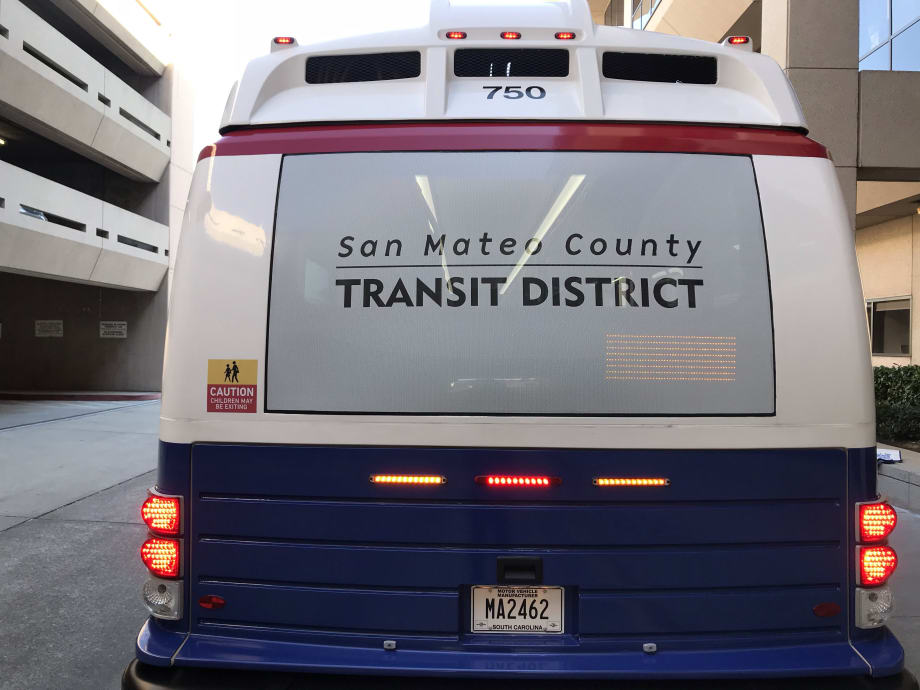
Bus operators and other frontline employees are the primary observers of any violations and will report incidents to appropriate responders, including the San Mateo County Sheriff’s Office Transit Bureau.
Photo: SamTrans
California’s San Mateo County Transit District (SamTrans) board of directors approved a new Code of Conduct and Enforcement Policy for all passengers and members of the public using District services and facilities.
The policy supports the District’s commitment to the safety of all transit worker staff, including frontline bus operators and passengers. It's designed to improve rider experience and prevent bus operator harassment.
SamTrans’ New Policy
The policy is part of a comprehensive effort by SamTrans’ Bus Operations, Legal, Office of Civil Rights, and Safety and Security departments to address these issues.
The public transit industry is experiencing an increasing number of incidents in which the behavior of passengers threatens the safety of bus operators.
“According to Federal Transit Administration statistics, there has been a four-fold increase in operator assaults reported since 2009,” said SamTrans Director, Bus Transportation, Ana Rivas. “At SamTrans, the numbers are not as high, but we want to get ahead of the increase and prevent as many incidents as we can.”
In response, SamTrans has established this new policy to improve transit staff and public safety, deter passengers from engaging in disruptive and dangerous behavior, and minimize the risk of harassment against its operators and other onboard passengers.
Code of Conduct and Enforcement Policy
The Code of Conduct and Enforcement Policy covers all passengers and members of the public using SamTrans, Redi-Wheels, RediCoast, Ride Plus, and other District services and facilities, including at bus stops and stations.
The policy addresses behaviors that disrupt the safe operation of public transit vehicles, including harassment, discrimination, fare evasion, sexual harassment, physical and verbal assault, tampering with emergency exits, use of prohibited substances, blocking entry and exit ways, carrying and using weapons, and disregarding safety instructions.
Bus operators and other frontline employees are the primary observers of any violations and will report incidents to appropriate responders, including the San Mateo County Sheriff’s Office Transit Bureau.
Violators can be removed from SamTrans vehicles without a fare refund and may be excluded from using District services for a defined or indefinite period of time.
More Security and Safety

Transit Agencies Highlight Safety Gains at National Summit
Leaders from 15 major transit systems shared crime-reduction results and safety initiatives while discussing the role of continued federal support.
Read More →
DART Launches Major Security, Fare Enforcement Initiative
The 90-day demonstration will deploy coordinated security teams at five light rail stations while testing controlled access and gathering data to guide future investments.
Read More →
RTD Launches NextRide App to Consolidate Trip Planning, Fares, Security Reporting
The app expands on RTD’s existing NextRide web application and allows customers to view real-time vehicle locations and service alerts, purchase and store digital fares, and access customer support.
Read More →

TAPTCO Updates OSHA Compliance Training for Transit Maintenance Operations
The revamped program addresses 26 OSHA standards for maintenance facilities, with TAPTCO pointing to training, documentation, and everyday shop hazards as continuing challenges for transit operations.
Read More →
How VaporVision Adds Value to Transit Door Systems
Wabtec engineers explain how the system improves doorway detection, strengthens diagnostics and gives transit agencies and OEMs greater operating flexibility.
Read More →
FRA Announces $5.3B in Rail Investments, Including $2B for Amtrak
Funding will support grade-crossing improvements, infrastructure upgrades, and new Amtrak equipment in 23 states.
Read More →
Chicago, Maryland Expand Non-Law-Enforcement Safety, Rider Support
The CTA and MTA are launching new programs aimed at de-escalation, crisis response, rider assistance, and greater transparency.
Read More →
LA Metro, City of West Hollywood, and Partners Advance Smarter Bus Lane Enforcement
The award-winning partnership combines AI-powered detection with human oversight to improve bus reliability, accessibility, and enforcement efficiency.
Read More →
LA Metro Reports 57% Decline in Homelessness on Transit System Since 2024
The agency's latest homelessness count offers new data on how care-based services and cross-sector partnerships can complement traditional transit security strategies.
Read More →
FTA Launches 'Transit Moves America' Dashboard to Highlight Agency Safety and Performance
The online dashboard transforms National Transit Database information into a public-facing resource that allows users to compare transit agencies on key operational and safety metrics.
Read More →