



Zen and the Art of Bus Driving
If we encourage our operators to treat operating a bus as a shift-long Zen moment, we may be able to reduce preventable crashes by a significant amount. The “Zen Operator,” who drives precisely at all times, is also less stressed. The Zen Operator flows through difficult, tight situations easily and their body language and vibe give passengers a sense of confidence. The operator whose passengers have a white-knuckle death grip on the back of the seat in front of them is not practicing “Zen Bus Operation.”

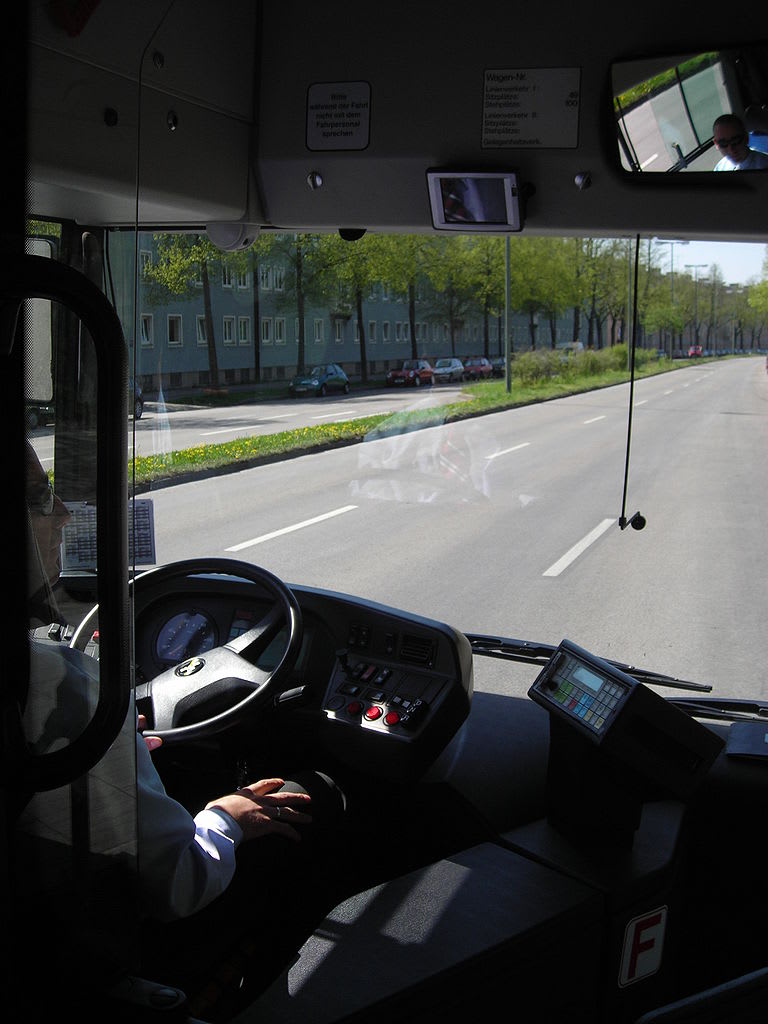

If we encourage our operators to treat operating a bus as a shift-long Zen moment, we may be able to reduce preventable crashes by a significant amount. The “Zen Operator,” who drives precisely at all times, is also less stressed. The Zen Operator flows through difficult, tight situations easily and their body language and vibe give passengers a sense of confidence. The operator whose passengers have a white-knuckle death grip on the back of the seat in front of them is not practicing “Zen Bus Operation.”
It is simpler to convince operator trainees that Zen is the easiest method for bus operation than veterans. We can put it to the beginner as a way to practice their newly-attained skills and make proper technique an instinct before bad habits become ingrained. Assuming the operator maintains the habit and does not get sloppy, we have created a Zen Operator.
How do we create a Zen Operator? The first task is to convince the operator that performing each specific move in exactly the same manner each and every time is critical to crash-free driving. The operator cannot be complacent one moment because there are no immediate hazards present and then knuckle down at the next moment because the situation gets tight. This fluctuation in concentration and use of skills is a prime cause of crashes and also causes stress to the operator who has not been practicing Zen Bus Operation.
To make each maneuver the same way every time, the operator needs to mentally project an image of the tightest possible situation during each maneuver and drive his vehicle into the space necessary to successfully negotiate the imagined tight situation. Precise driving every time a maneuver is performed is a form of practice, and eventually, it will become a habit. When precise driving becomes a habit, it will allow the operator to smoothly and professionally make the most difficult of maneuvers with little or no stress. There is no herky-jerky throttle to brake to throttle to brake, or frantic mirror checks as the operator performs the maneuver in fits and starts. The no-stress vibe of a Zen operator will eliminate the passenger with a white knuckle death grip on the seat in front of them and could actually help increase ridership.
Preach Precision, Precision, Precision — Eliminate the slop. Don’t be lazy.
If the operator commits to the Zen method of bus driving (it actually works in any vehicle) from the beginning of his or her career and stays with it all times, he or she will experience less crashes and less stress, which is a win-win for the operator and the company.
John Filippone is Safety and Training Manager for the Roaring Fork Transportation Authority in Aspen, Colo.
More Blog Posts
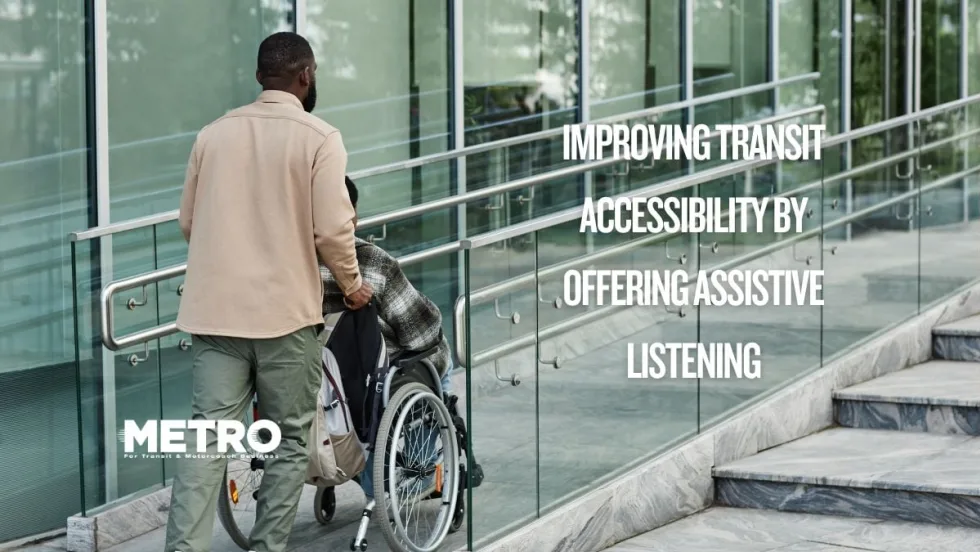
Improving Transit Accessibility by Offering Assistive Listening
Did you know that there are literally tens of millions of people worldwide with hearing loss, many of whom will use some form of public transit at some point?
Read More →
35 Years of the ADA, Making Travel Easier for Seniors
Thirty-five years after the passage of the Americans with Disabilities Act of 1990 (ADA), the impact of this landmark piece of civil rights legislation cannot be overstated.
Read More →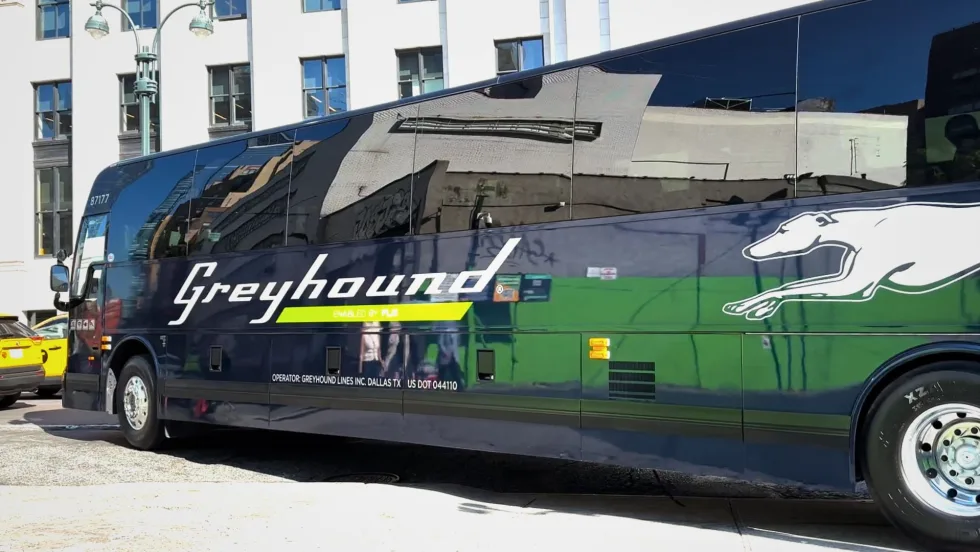
Driving Performance with Purpose: How I Lead One of Greyhound’s Top Teams
Safety, on-time performance, and customer experience are critical elements in intercity bus operations. But getting them right doesn’t come down to plans or protocols alone. It comes down to execution. How well your team performs on the ground, in real time, is what defines success.
Read More →
Navigating Emerging Privacy Laws: A Call to Action for Service Providers in Mass Transit
With Data Privacy Day Jan. 28, I want to spotlight a critical challenge faced by service providers in the mass transit sector: managing personal information responsibly in an era of rapidly evolving privacy regulations.
Read More →
Human Trafficking Awareness: What Public Transportation Can Do?
January is National Slavery and Human Trafficking Prevention Month in the U.S., and January 11 is National Human Trafficking Awareness Day.
Read More →
Want to Improve Transit Safety and Operations? Break Down the Silos
Retrieving and reviewing data and video can be a cumbersome process for fleet managers. Each system or tool provides a piece of the puzzle, but seeing the complete picture requires tedious manual synchronization.
Read More →
Ensuring Public Transit Cybersecurity Through Robust Protective Measures
In today’s highly connected world, cybersecurity is of utmost importance, particularly for transportation agencies overseeing transit bus systems that rely increasingly on sophisticated technologies, including the use of data analytics in traffic signal networks, to manage and operate their systems.
Read More →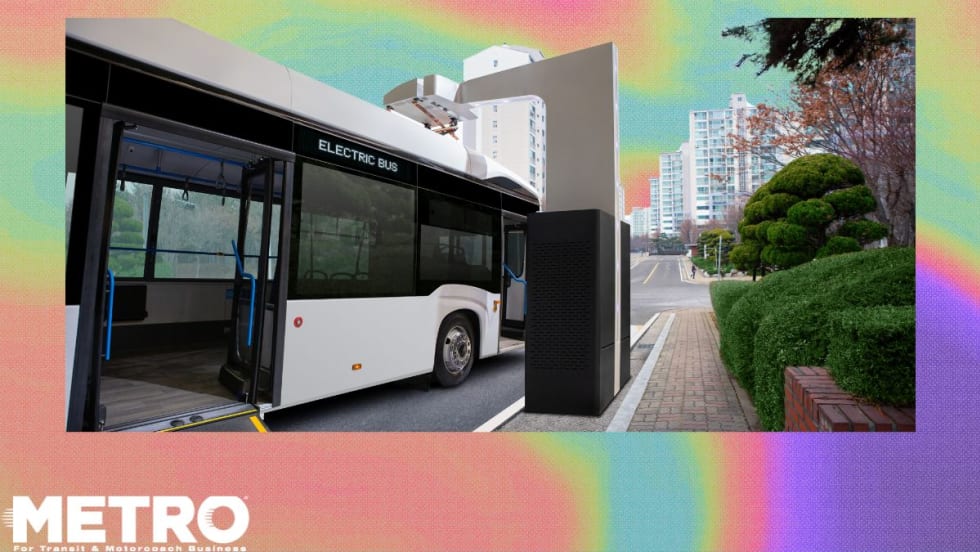
How Advances in Thermal Management Revolutionize Urban Mobility
In the daily hustle and bustle of city life, transit buses serve as the backbone of urban transportation, allowing millions of city dwellers to get from point A to point B each day reliably.
Read More →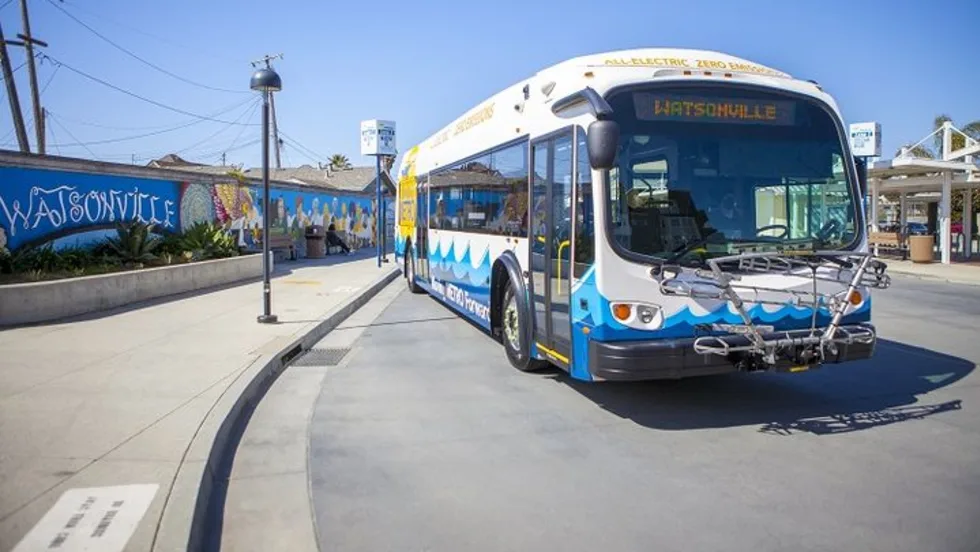
The Evolution of Bus Design
Thirty years ago, drivers not only had to drive the bus and navigate heavy traffic, but they were also responsible for tasks like supervising passenger loading and unloading, selling tickets, and providing passengers with various kinds of information, all while sitting in an often ill-fitting workstation.
Read More →
What 'Transit Safety 101' Really Means
Safety, Safety, Safety. This word is used repeatedly, and in many contexts, without most people understanding what it actually means.
Read More →