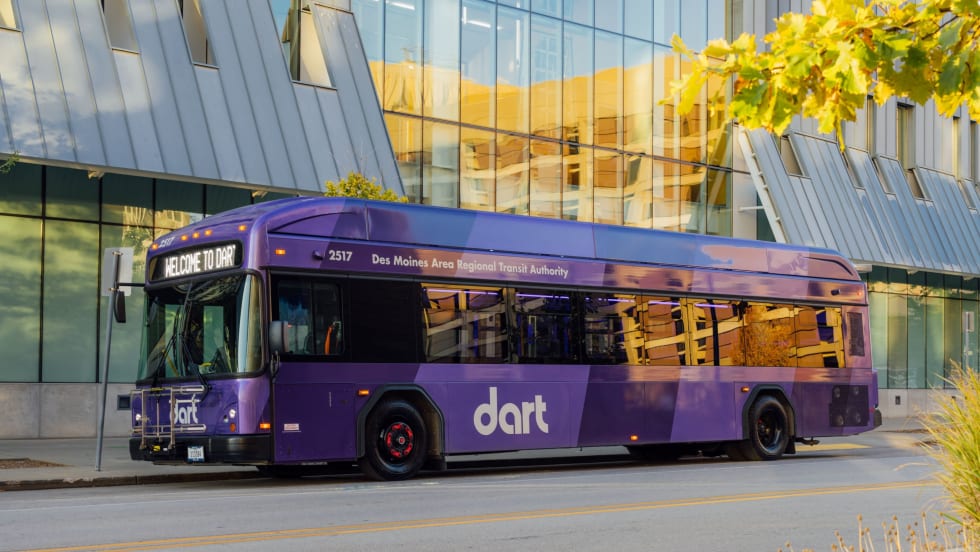
Thanks to the replacement of KCATA’s oldest vehicles, the KCATA fleet now has Wi-Fi on 100% of its buses.
KCATA
2 min to read
Thanks to the replacement of KCATA’s oldest vehicles, the KCATA fleet now has Wi-Fi on 100% of its buses.
KCATA
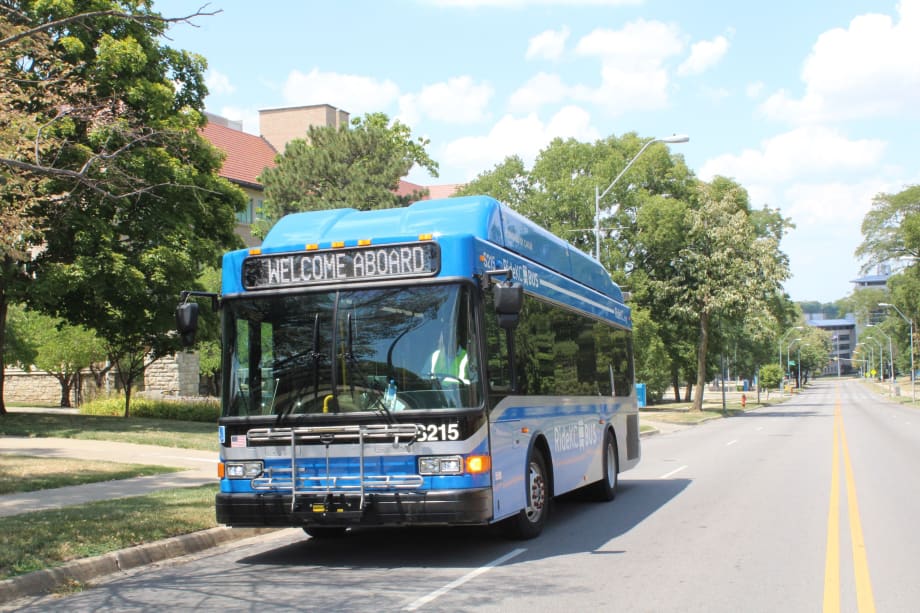
The RideKC fleet is getting an upgrade with 38 new Gillig buses, which will provide more safety, convenience, and comfort for customers.
The Kansas City Area Transportation Authority (KCATA) purchased the buses with an $8.9 million grant from the Federal Transit Administration (FTA) and a 20% local match from KCATA. This award was the biggest Bus and Bus Facilities Grant KCATA has earned since 1993.
Ad Loading...
“These new buses will improve efficiency by reducing maintenance and fuel costs, while at the same time improving the reliability of transit service and providing comfort and convenience for our riders,” said President/CEO Robbie Makinen. “It is a significant investment in transit for Kansas City.”
The 38 new buses include 18 29-foot buses and 20 40-foot buses. Buses have been put on RideKC routes in groups of 10, and the last group of eight buses just hit the road.
KCATA
The 38 new buses include 18 29-foot buses and 20 40-foot buses. Buses have been put on RideKC routes in groups of 10, and the last group of eight buses just hit the road.
Thanks to the replacement of KCATA’s oldest vehicles, the KCATA fleet now has Wi-Fi on 100% of its buses. Customers can find the bus’s Wi-Fi under the name RideKC. The implementation of a broadband network across the KCATA fleet opens up the opportunity for future technology upgrades.
Other features of the new buses include:
A change to vinyl seats, that are easier to keep clean.
Fixed windows for better climate control and reduce bus noise.
A safety barrier to protect bus operators.
A compressed natural gas fuel system, resulting in significantly lower operating costs and reduced air pollution.
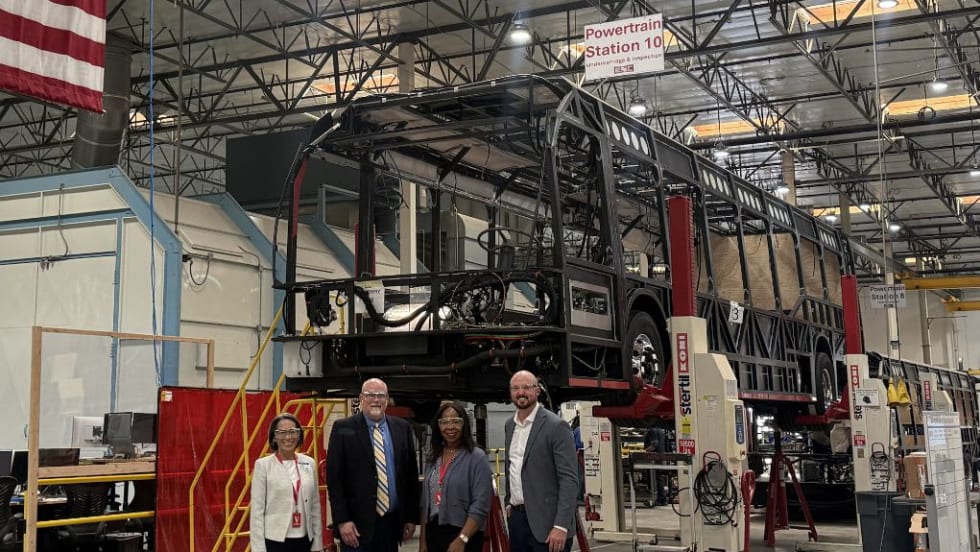
The beginning of the final BRT segment advances construction across all five segments, reflecting steady progress toward shorter travel times, improved accessibility, and a more dependable connection to jobs, businesses, and community destinations.
The visit is part of the SF Fed's ongoing engagement with major employers and industries across Southern California and, more broadly, the western U.S. to better understand regional economic conditions and business outlooks.
Advances in data and analytics are giving transit agencies new opportunities to refine maintenance practices, improve efficiency and make more informed decisions about asset performance.
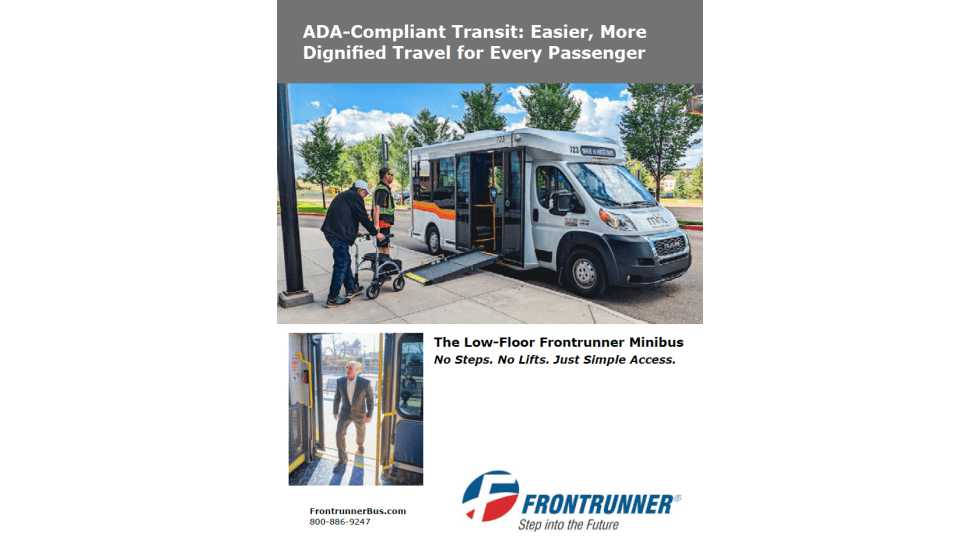
Today’s riders—and the communities you serve—expect more from public transit. While ADA compliance is required, leading transit agencies know that true accessibility also means delivering dignity, efficiency, and a better rider experience. This whitepaper reveals why forward thinking agencies nationwide choose the Low Floor Frontrunner as their first choice for ADA compliant vehicles—setting a new standard with passenger first design, faster boarding, improved safety, and unmatched operational performance.
In Part 2 of a two-part conversation, AC Transit’s director of maintenance joins co-hosts Alex Roman and Mark Hollenbeck to discuss his maintenance team’s work with various types of vehicle, training, augmented reality, and more.
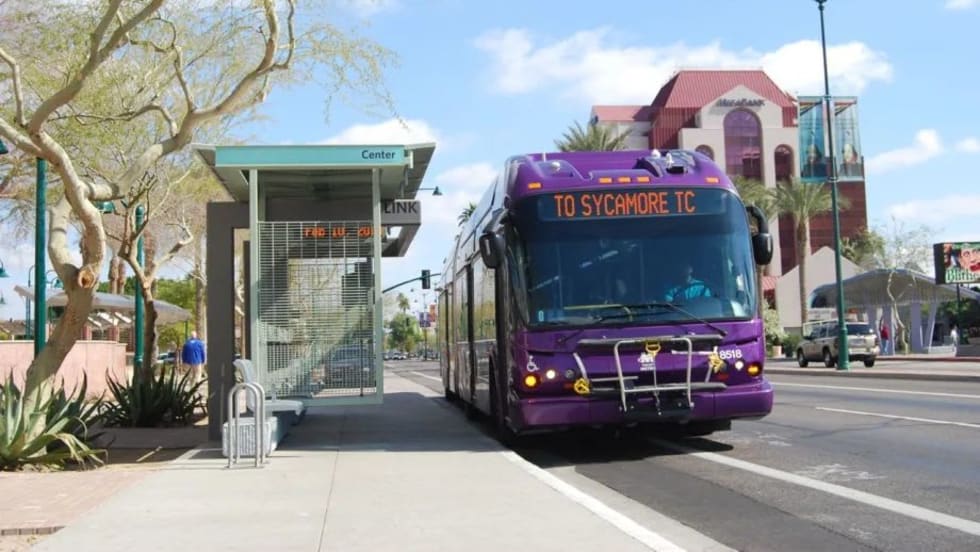
Under this extension, Keolis will continue to manage and operate fixed-route bus service across the East Valley, serving communities including Tempe, Mesa, Chandler, Scottsdale, the town of Gilbert, parts of Phoenix, and the Gila River Indian Community.
The new network reflects extensive input from riders and the community through Reimagine DART on what matters most in public transit — and those priorities are reflected in the changes ahead.