




RELATED: Metro receives first zero-emission bus for Orange Line
L.A. Metro expands bike-share program
Sixteen new Metro Bike Share stations with up to 150 bicycles have now been installed in North Hollywood, Toluca Lake, and Valley Village.
August 12, 2019
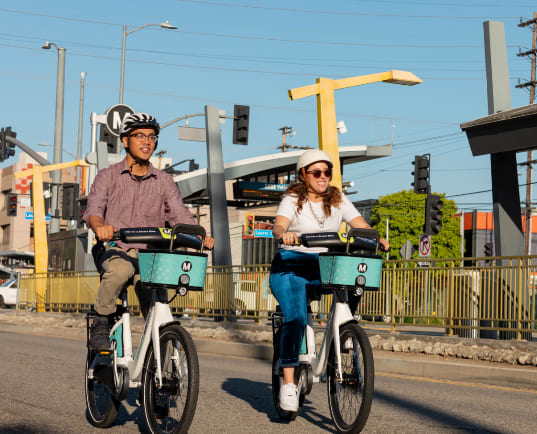
Metro worked closely with the Los Angeles Department of Transportation to determine the location of bike share stations in the North Hollywood area.
L.A. Metro
3 min to read
Metro worked closely with the Los Angeles Department of Transportation to determine the location of bike share stations in the North Hollywood area.
L.A. Metro
Marking its first deployment of bike-share in the San Fernando Valley, the Los Angeles County Metropolitan Transportation Authority (Metro) partnered with the City of Los Angeles to launch new “Smart” Metro Bikes in the North Hollywood area, the Valley’s premiere arts district and its busiest transit hub.
Sixteen new Metro Bike Share stations with up to 150 bicycles have now been installed in North Hollywood, Toluca Lake, and Valley Village. An additional six stations and 50 bicycles will be added by the end of the year. Metro Bike Share stations will now be available at or near the Metro Red/Orange Line Stations, the NoHo Arts District, the Chandler Bikeway, and will connect Metro Bike Share riders to the ever-expanding gallery, theatre, café, and restaurant scene in the neighborhoods surrounding Lankershim and Magnolia Boulevards.
Smart Metro Bikes allow riders to lock their bikes at an official Smart Metro Bike Station or, for a small convenience fee, lock them to available public bike racks, thus extending the convenience for riders to access destinations throughout the area. Bikes can be unlocked using a Metro TAP card via card reader that is installed directly on the bike, or they can unlock it via the official Metro Bike Share app. Rides on Smart Metro Bikes start at $1.75 for every 30 minutes.
The bikes themselves are designed for ease-of-use, comfort, and convenience. They come with baskets, pannier-compatible racks, front and back lights, wide tires, and eight speeds.
Metro worked closely with the Los Angeles Department of Transportation to determine the location of bike share stations in the North Hollywood area.
The agency’s Smart Metro Bikes, also available on the Westside, solve one of the challenges associated with using shared bicycles to reach city destinations that may not have a readily available docking station. Because these bikes accommodate Metro’s TAP card functionality, bike-share riders can also easily use the card to ride other Metro and municipally operated transit services in L.A. County. To use a TAP card to unlock these bicycles, TAP cardholders must first enroll in the Metro Bike Share Program and register their tap cards.
The bikes will be operated by Bicycle Transit Systems and provided by BTS’ partner BCycle, a unit of Trek Bicycles of Wisconsin. The companies have successfully launched and/or operate more than 40 bike share systems in metropolitan areas in the U.S. and abroad.
There are now 1,500 Metro Bikes and 150 stations located Downtown L.A., Central L.A., Port of L.A., North Hollywood, and the Westside. Metro plans to expand the Metro Bike Share program to create a system of more than 4,000 bicycles countywide over time.
To date, approximately 800,000 trips have been made on Metro Bike Share in Los Angeles County. Bike-share riders have collectively traveled over 2.4 million miles on the bicycles since the program launched and have reduced over 2.3 million pounds of carbon dioxide — a major greenhouse gas — emissions from the air.
More New Mobility

ENC Unveils ZAVIR Medium-Duty Electric Shuttle at APTA EXPO
The new ZAVIR brand targets shuttle and paratransit operations with battery-electric and range-extended electric vehicle options.
Read More →
Public Transit Conference Returning to GFX in 2027, Call for Papers Now Open
The Call for Papers is now open, allowing transit agency professionals and industry experts to help shape the PTC educational program by submitting session ideas for consideration.
Read More →
Everett Transit, Community Transit Outline Consolidation Agreement
The proposed agreement calls for a 50% increase in bus service in Everett, a new microtransit zone, continued paratransit service, and the transfer of Everett Transit operations to Community Transit.
Read More →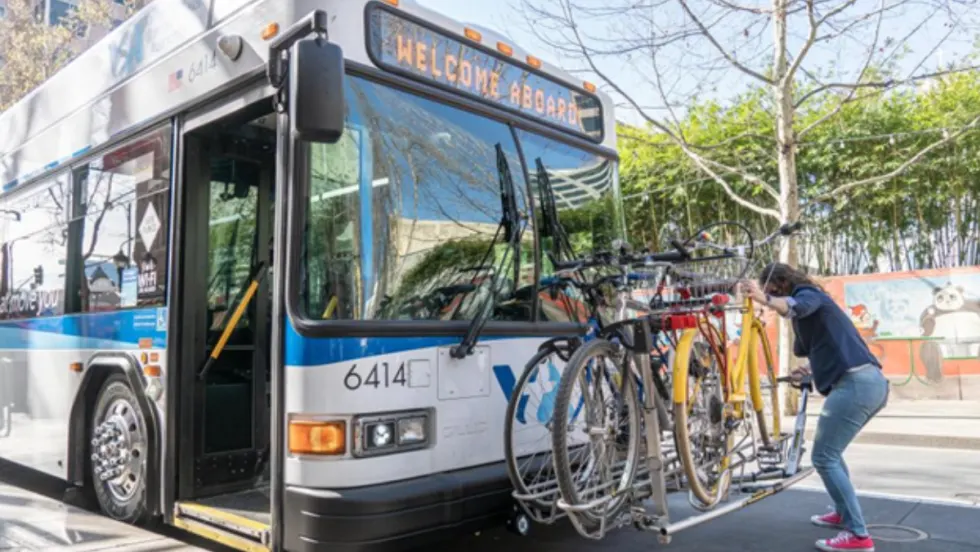
What Multimodal Data Can Tell Transit Agencies About Rider Demand
See how bike-on-bus data is giving transit agencies new insight into rider demand, capacity constraints, and gaps in first- and last-mile connections.
Read More →
From Hardware to Digital Partner: Luminator Charts Its Next Chapter
CEO Magnus Friberg discusses Luminator’s shift toward becoming a digital partner, the growing importance of software and interoperability, and how AI can help agencies improve operations and passenger experience.
Read More →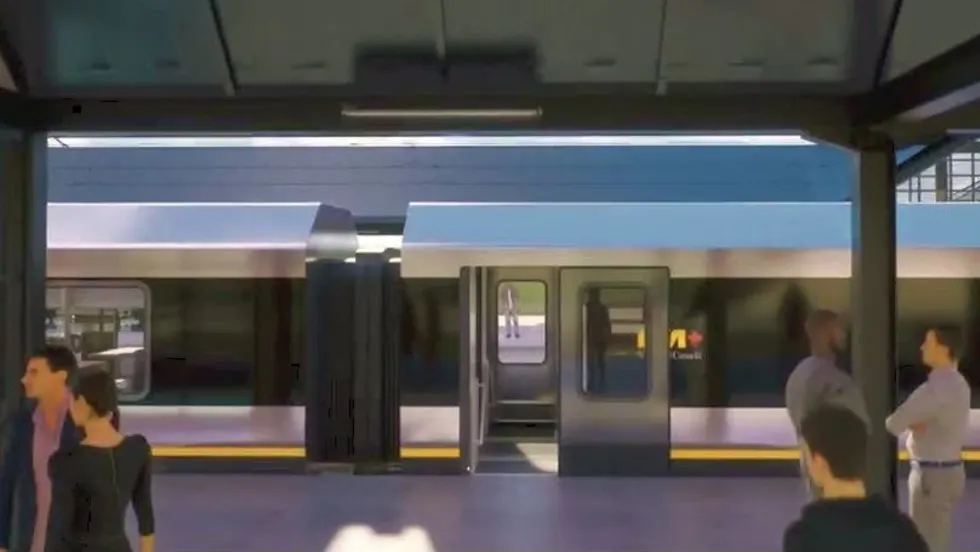
Biz Briefs: Alstom Lands Canadian Contract, LYT to Supply California TSP, and More
In METRO's latest installment, we take a look at recent news from Complete Coach Works, Beep, FlixBus, and more partnerships making headlines across the transportation sector.
Read More →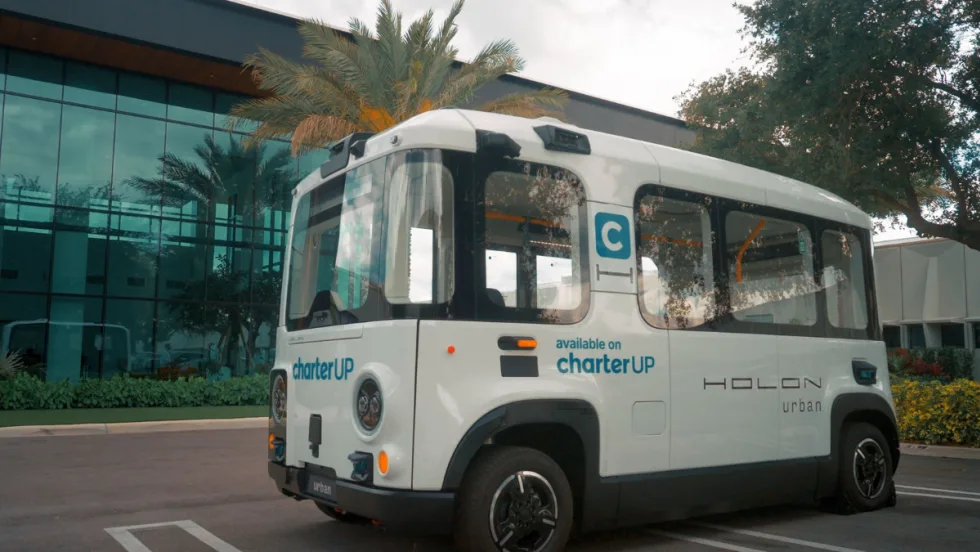
CharterUP’s Armir Harris on Technology, AI, and the Future of Group Mobility
In a recent episode of METROspectives, CharterUP Founder/CEO Armir Harris discussed the company’s evolution from an online charter bus marketplace into a technology platform supporting public- and private-sector mobility and much more.
Read More →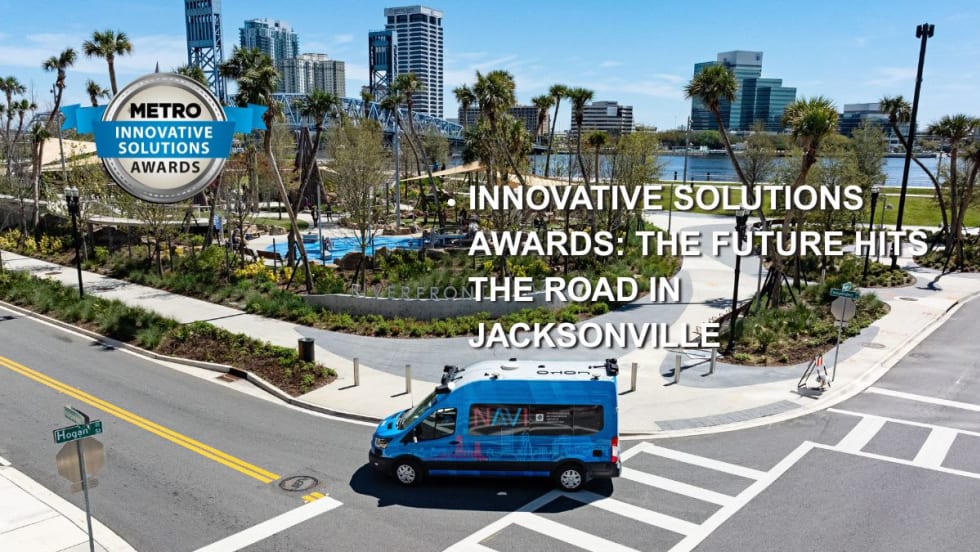
Jacksonville’s NAVI Project Charts a New Course for Autonomous Public Transportation
Through its NAVI program, JTA is showing how autonomous vehicles, intelligent infrastructure, and coordinated operations can work together to deliver everyday public transportation.
Read More →
Biz Briefs: Luminator Marks Milestone and More
From manufacturers and suppliers to transit agencies and motorcoach operators, these updates offer a snapshot of the projects, partnerships and business moves driving the industry forward.
Read More →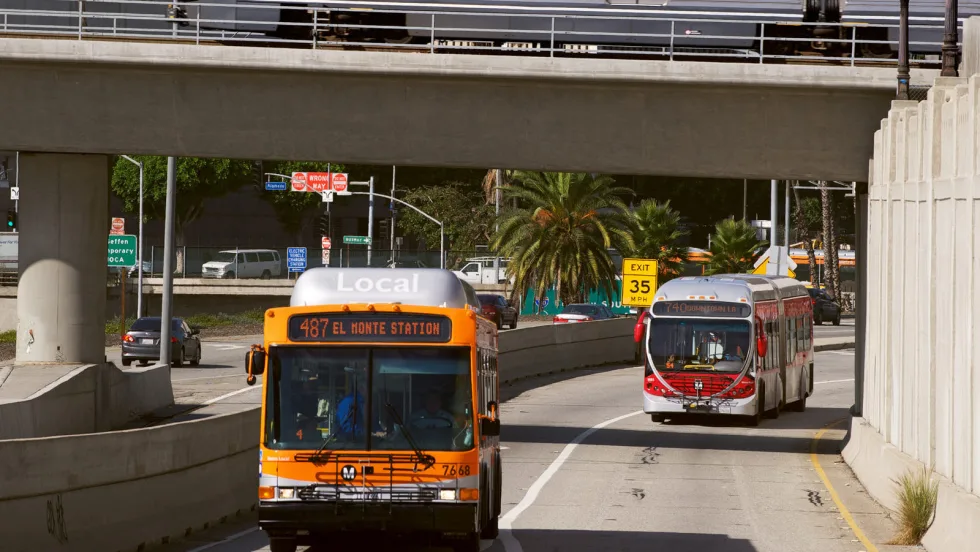
New Tricks for Old Bureaucracies: Joshua Schank on Making Transit Innovation Stick
Former LA Metro Chief Innovation Officer Joshua Schank discusses why good ideas aren't enough, how transit agencies can overcome resistance to change, and why today's challenges demand more innovation.
Read More →