



[Photos] Rio de Janeiro: Building up transport infrastructure for Olympic Games
Tour Rio de Janeiro's various transport infrastructure projects underway and services already launched in anticipation of the 2016 Olympic Games. Projects include bus rapid transit, expressway, light rail tram and cable car.
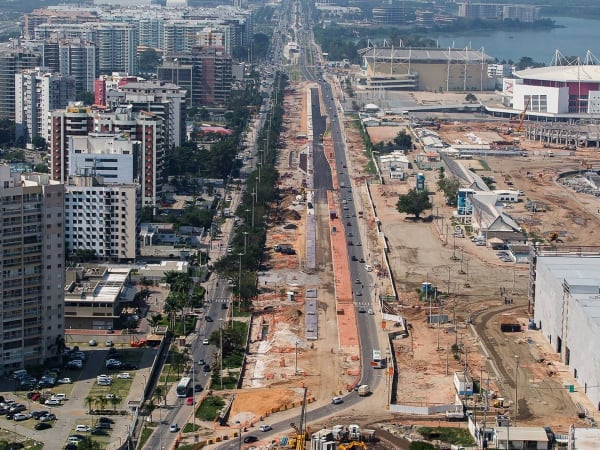
Olympic Park Road, which will be responsible for doubling the avenues Salvador Allende and Embaixador Abelardo Bueno, in Jacarepaguá, and will ensure greater mobility for motorists.
At the end of the construction, the Salvador Allende and Abelardo Bueno avenues will have five lanes in each direction, one of which is exclusive to the BRT, facilitating the integration of Transcarioca and Transolímpica in the future Olympic Center Terminal in Curicica. Photo: Cidade Olimpica
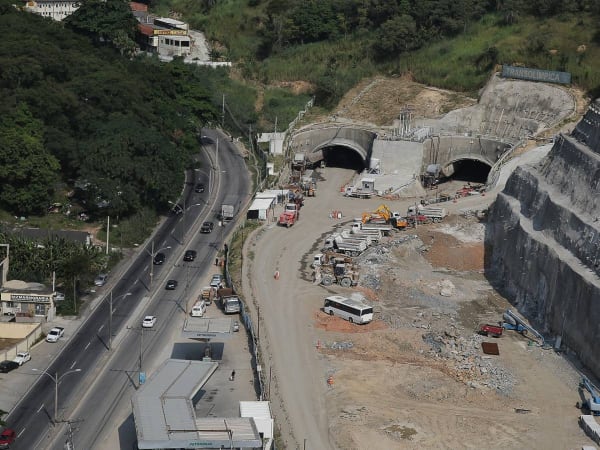
A new Transolímpica BRT expressway will feature dedicated lanes with no street lights. The future corridor linking Recreio dos Bandeirantes to Deodoro will improve 70,000 people’s daily trips, reducing the travel time from the current two and half hours to just 30 minutes. Photo: Cidade Olimpica
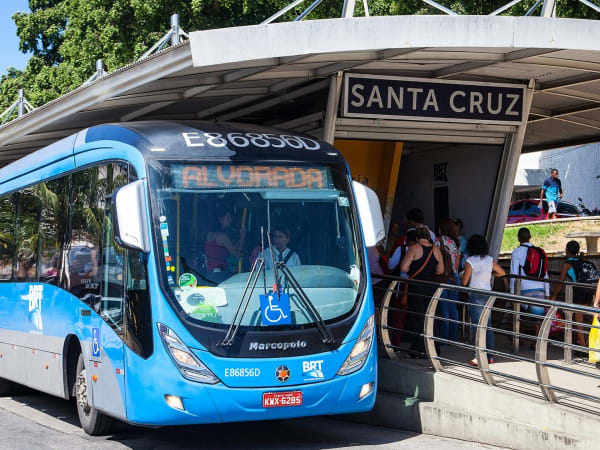
The Transoeste BRT line was the first (in 2012) of the four exclusive lanes for articulated buses to open in the city and represented a real transformation in the West Zone. Today, 230,000 passengers travel along the 52km of Transoeste, aboard articulated buses equipped with air conditioning and riding on exclusive lanes.Photo: Cidade Olimpica
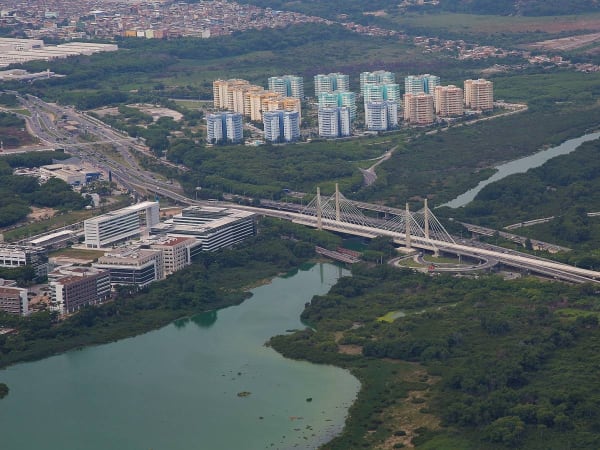
Opened June 2013, the Transcarioca BRT line connects Ilha do Governador to Barra da Tijuca, in over 39 kilometers, reducing commute time by 60%.
Photo: Cidade Olimpica
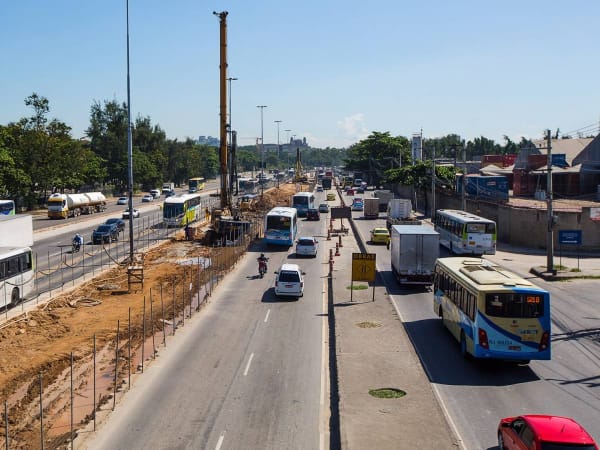
The Transbrasil BRT, which will link Deodoro, in the West Zone, to Downtown Rio, is expected to serve 700,000 passengers daily, connecting to other means of transportation such as subways and Supervia trains. Photo: Cidade Olimpica
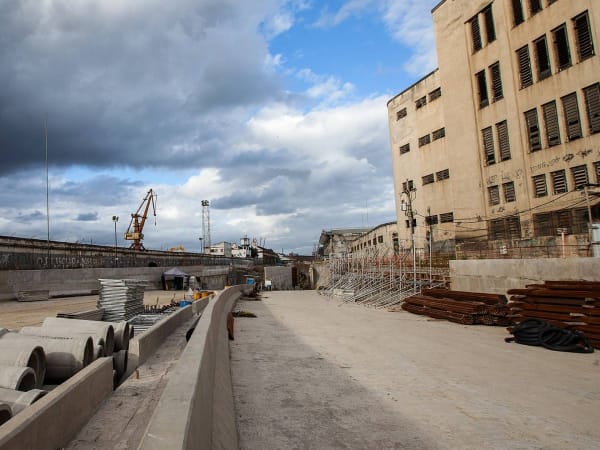
The 6,847-meter-long three-lane Expressway will have a 3,022-meter tunnel and will connect the Aterro do Flamengo to Avenida Brasil and the Rio-Niterói bridge, allowing more car circulation, totally free from traffic lights and intersections.
Photo: Cidade Olimpica
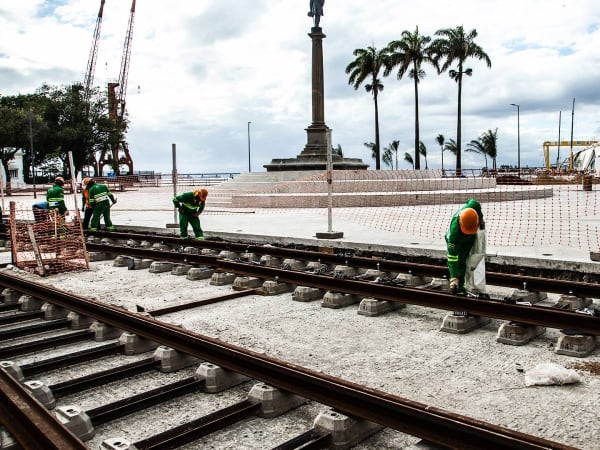
The Light Rail Vehicle (LRV) system will connect directly to buses, trains, subways, ferries, Providência Cable Car and the Santos Dumont Airport, ensuring greater mobility for 285,000 passengers daily. Capable of carrying 415 passengers per train, the rail system will have underground power.
Photo: Cidade Olimpica
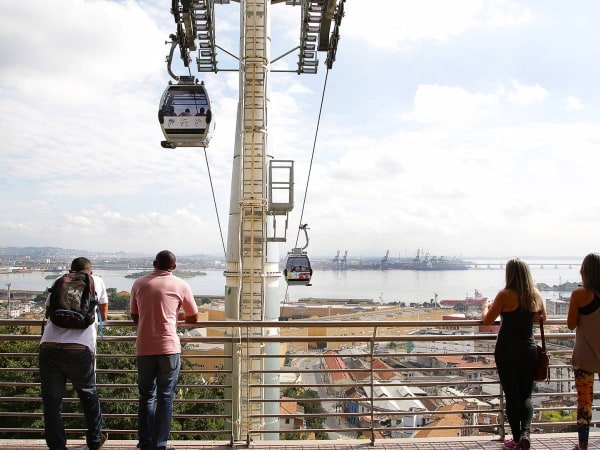
Opened in July 2014, the Providência Cable Car shortened the distance between the first favela of the city and Downtown Rio. The service has three stations and connects the community to Gamboa and Central do Brasil station on a path of 721 meters, which lasts about five minutes. Photo: Cidade Olimpica
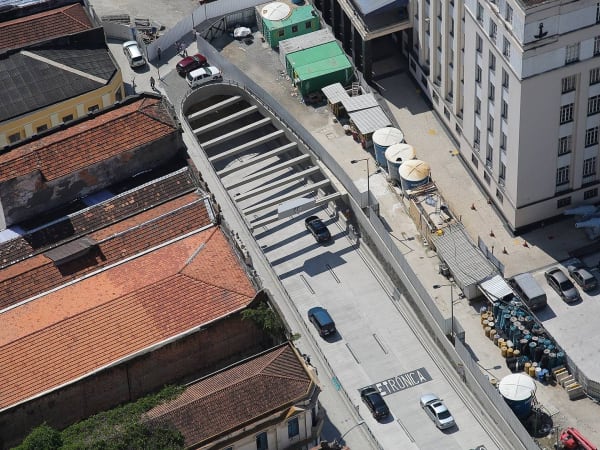
The 3.5-km-long Port Binary Lane, inaugurated in November 2013, revitalized, along its route, several streets that used to serve as parking lots as well as opened traffic to streets that were closed. The road connects the Gasômetro to the Avenida Rio Branco, towards Centro.
Photo: Cidade Olimpica
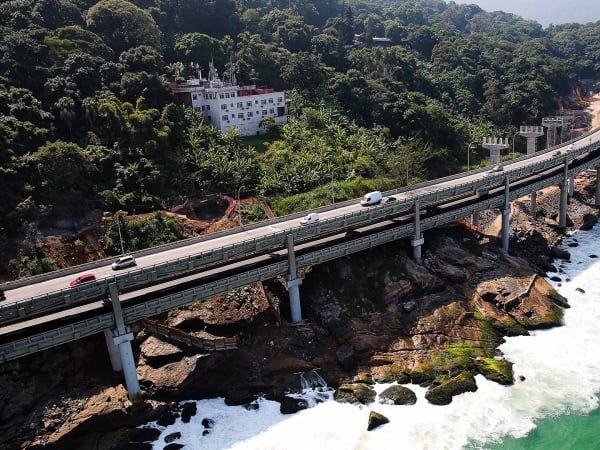
The Elevado do Joá viaduct, an important link between the South Zone and Barra da Tijuca, is under expansion to better serve the thousands of drivers who use it daily. The new 5 kilometer Joá will have another track and two tunnels parallel to the existing one, always on the direction South Zone-Barra da Tijuca. Photo: Cidade Olimpica
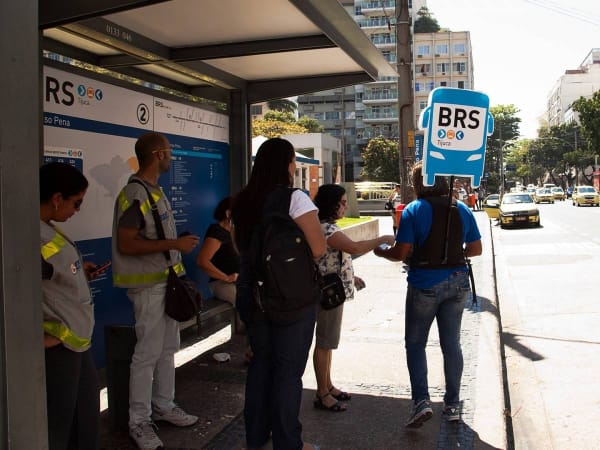
Rio's BRS (Bus Rapid System) buses travel on preferential corridors with fixed stop points, reducing passenger travel time by an estimated 25%, reaching 45% in Botafogo. Regulated taxis with passengers can also ride on the BRS.
Photo: Cidade Olimpica