
Metro Magazine

 MENU
MENU SEARCHMENUSEARCH
Loading data...
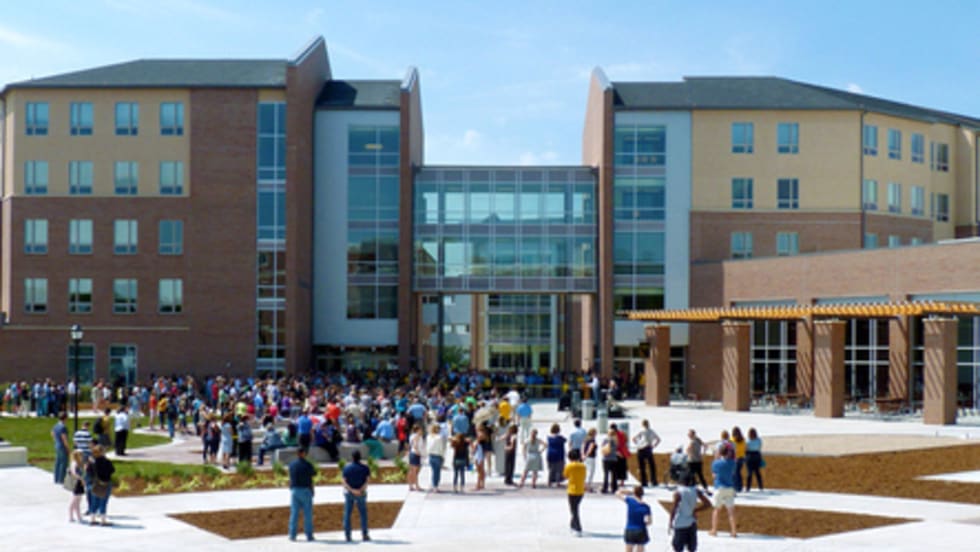
Administration created the new transportation system a year ago to try to alleviate crowded campus parking and provide Shocker Hall students with 24/7 access to their cars. University officials said they expect to realize financial savings, as well as make students living in the dorm happier.
Read More →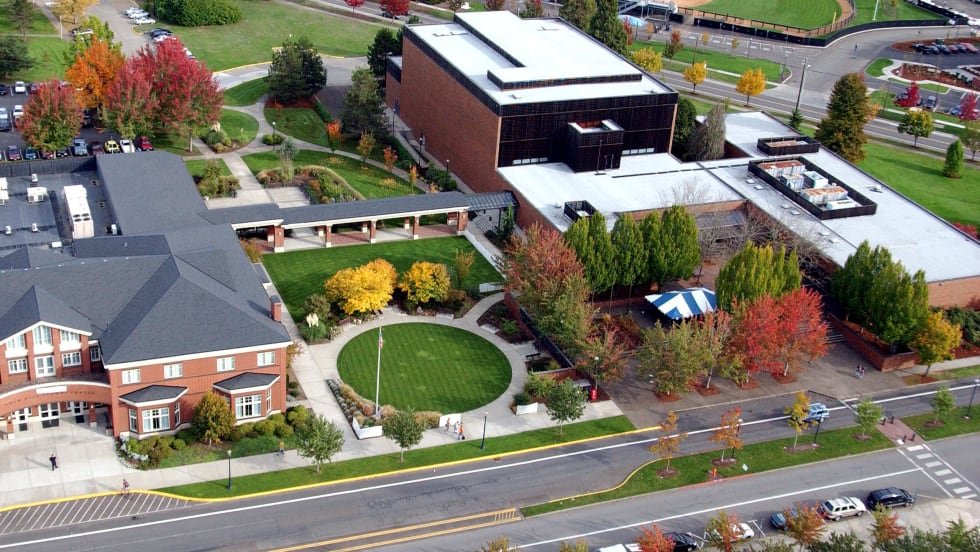
The key component of the program is a zonal pricing system that charges students, faculty and staff more to park closer to the campus core and less to park further away and shuttle in.
Read More →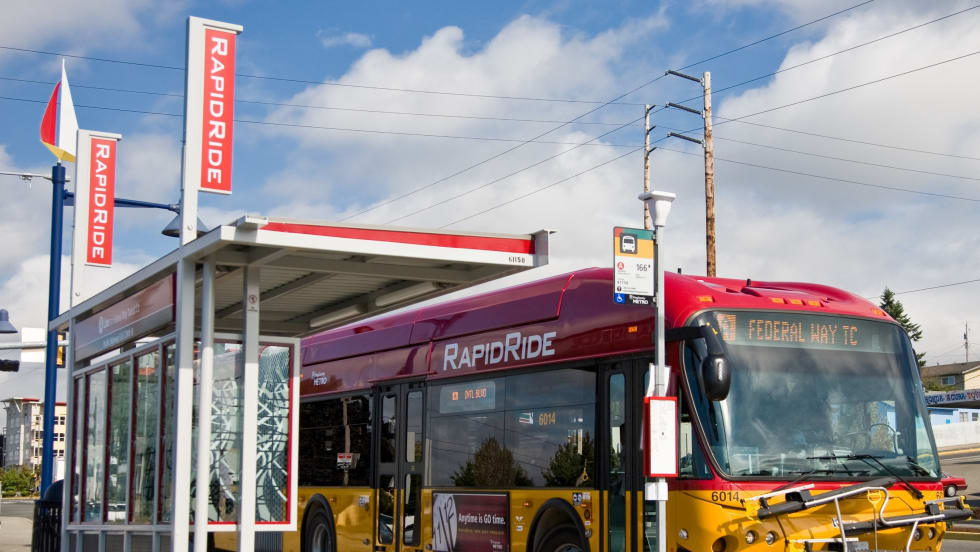
The savings are based on the cost of commuting by public transportation compared to the cost of owning and driving a vehicle, which includes the May 27 average national gas price of $2.74 per gallon — reported by AAA — and the national unreserved monthly parking rate numbers.
Read More →
Karen Brown, a disabled 63-year-old returning student who suffers from lupus, said she must suffer through all types of weather to get to campus via public transportation because she cannot afford the high price of accessible parking spaces on campus.
Read More →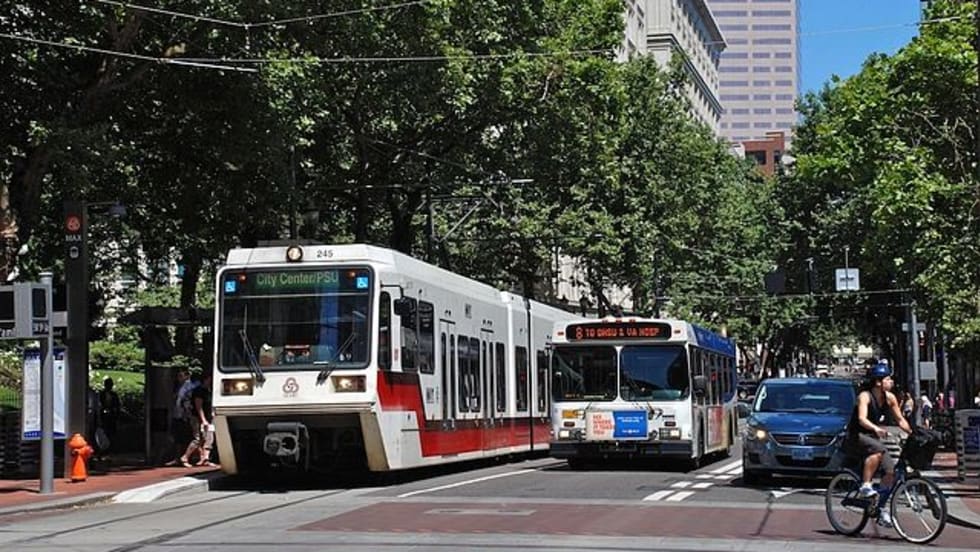
The savings are based on the cost of commuting by public transportation compared to the cost of owning and driving a vehicle, which includes the March 30, 2015 average national gas price of $2.42 per gallon- reported by AAA — and the national unreserved monthly parking rate numbers.
Read More →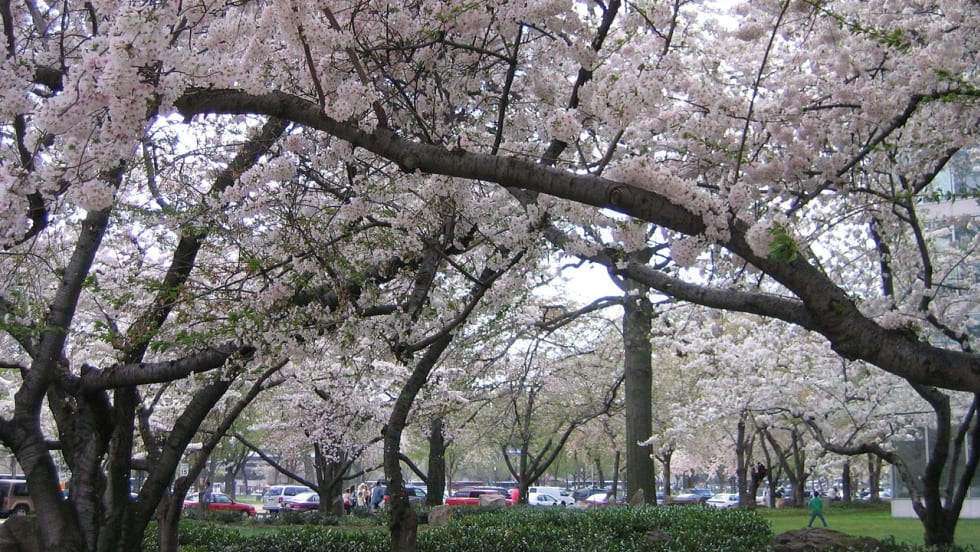
The groups urged planners to add parking near the National Mall for the millions of people who will visit by bus and car over the next several months, kicking off with the National Cherry Blossom Festival.
Read More →
While citations make up 10% of the Parking and Transportation Services annual revenue, the majority of the revenue comes from permit sales, which, combined, goes back into the department.
Read More →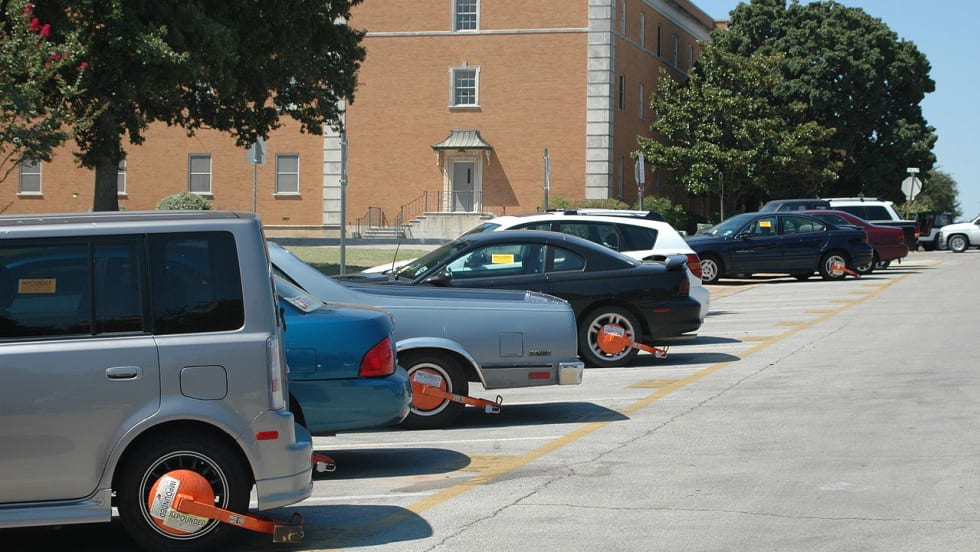
For fiscal year 2014, UNT towed 84 cars and TWU had 11 cars towed. From September 2013 to the end of August 2014, 579 cars were booted at the UNT campus, while only 25 were booted at TWU, which opts to heavily ticket instead.
Read More →
An increase in the cost of daily parking rates and faculty and student permits will be used to support the expenses of Parking and Transportation Services and the construction of new parking garages.
Read More →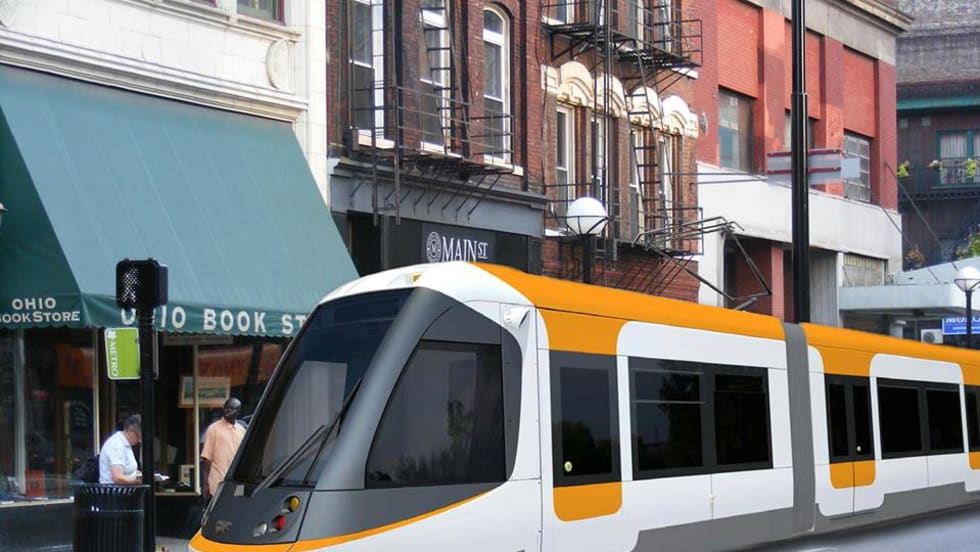
Operations could be funded by increased parking meter rates and a reduction in tax abatements claimed by property in downtown and Over-the-Rhine under a plan unveiled on Wednesday.
Read More →