




RELATED: U.S. DOT announces rail funding
All required railroads met statutory deadline, schedule for PTC
Notably, Quarter Four data also show PTC systems are in operation on almost 46,000 of the nearly 58,000-route miles.
February 15, 2019
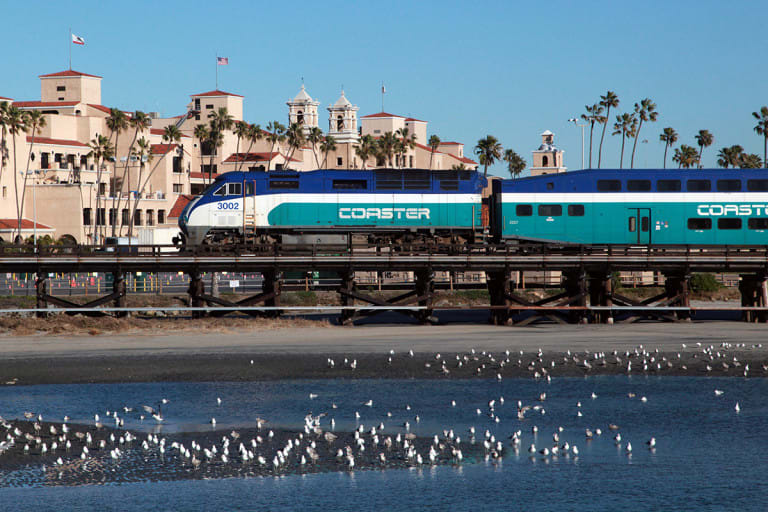
In 2018, FRA made $250 million in grant funding available for PTC implementation, and now four railroads, including the North County Transit District, have self-reported that they fully implemented an FRA-certified and interoperable PTC system on all their required main lines.
NCTD
3 min to read
In 2018, FRA made $250 million in grant funding available for PTC implementation, and now four railroads, including the North County Transit District, have self-reported that they fully implemented an FRA-certified and interoperable PTC system on all their required main lines.
NCTD
The Federal Railroad Administration (FRA) released a status update regarding railroads’ self-reported progress toward full implementation of positive train control (PTC) systems as of Dec. 31, 2018.
All required railroads either met the statutory deadline for fully implementing PTC systems, or submitted requests demonstrating they met or exceeded the statutory criteria for an alternative schedule provided for by law, permitting up to two additional years to complete full implementation.
Based upon the latest self-reported data, current as of the end of 2018, four railroads have fully implemented PTC systems on their required main lines, and all other railroads subject to the Congressional PTC mandate satisfied the six statutory criteria necessary to qualify for an extension.
Notably, Quarter Four data also show PTC systems are in operation on almost 46,000 of the nearly 58,000 route miles where the technology systems must be deployed, and PTC systems are in revenue service demonstration on an additional 288 route miles.
By the end of 2018, all necessary PTC system hardware had been installed, radio spectrum acquired, employees trained, and testing initiated. The key remaining steps for full implementation include conducting revenue service demonstration (advanced testing on the general rail system), submitting a PTC Safety Plan, and obtaining PTC System Certification from FRA, achieving interoperability between host railroads and tenant railroads, and activating the PTC system so it governs all operations on the required main lines.
As of Dec. 2018, host railroads’ operations are governed by a PTC system on 83% of the freight railroad route miles subject to the mandate and 30% of the required passenger railroad route miles. Of approximately 233 host-tenant railroad relationships, 16% have reportedly achieved PTC system interoperability as of Dec. 31, 2018, which means the locomotives of a host railroad and a tenant railroad operating on the same main line can communicate with and respond to the PTC system, including uninterrupted movements over property boundaries. In addition, FRA has conditionally certified 12 host railroads’ PTC systems, based on their PTC Safety Plans; two PTC Safety Plans are currently under review; and 23 additional PTC Safety Plans must be submitted by June 2020.
Earlier this month, FRA convened the first of six PTC Collaboration Sessions planned through 2020 with all railroads responsible for implementing PTC under the congressional mandate, and major industry associations. At the session, FRA safety specialists outlined major steps the industry must accomplish within the next two years. In addition, FRA explained its approach to certifying railroads’ PTC systems and answered technical questions.
As of Dec. 31, 2018, 33 railroads had submitted a written notification formally requesting FRA’s review and approval of an alternative schedule and sequence, and as of Feb. 11, 2019, FRA has formally approved 25 requests. FRA’s decision letters are available in railroads’ public PTC dockets.
The latest data show significant progress from just a year earlier when 15 railroads were considered “at risk” of not implementing PTC or qualifying for an extension. In 2018, FRA made $250 million in grant funding available for PTC implementation, and now four railroads — the Port Authority Trans-Hudson, North County Transit District, Portland & Western Railroad, and the Southern California Regional Rail Authority (Metrolink) — have self-reported that they fully implemented an FRA-certified and interoperable PTC system on all their required main lines.
More Security and Safety

CSA Group Releases Climate Resilience Standard for Transit, Passenger Rail
Developed with support from the Standards Council of Canada, CSA D700 guides assessing climate-related risks and planning adaptation measures for transit and passenger rail systems.
Read More →
San Diego MTS Approves New Fare Evasion Penalty Program
The new administrative process will move eligible violations out of the criminal court system, cap penalties at $125, and provide flexible payment options for riders.
Read More →
RTC of Southern Nevada Reports 29% Drop in Transit Operator Assaults
The agency credits expanded security measures, employee training, and technology investments for improvements in transit safety, while security officers have responded to 19 suspected overdoses since July.
Read More →
Public Transit Conference Returning to GFX in 2027, Call for Papers Now Open
The Call for Papers is now open, allowing transit agency professionals and industry experts to help shape the PTC educational program by submitting session ideas for consideration.
Read More →
Safe Transit Act Proposes New Security Requirements for Federal Transit Funding
Proposed legislation would link federal transit dollars to safety measures while requiring security investments, onboard cameras, and new fare collection standards.
Read More →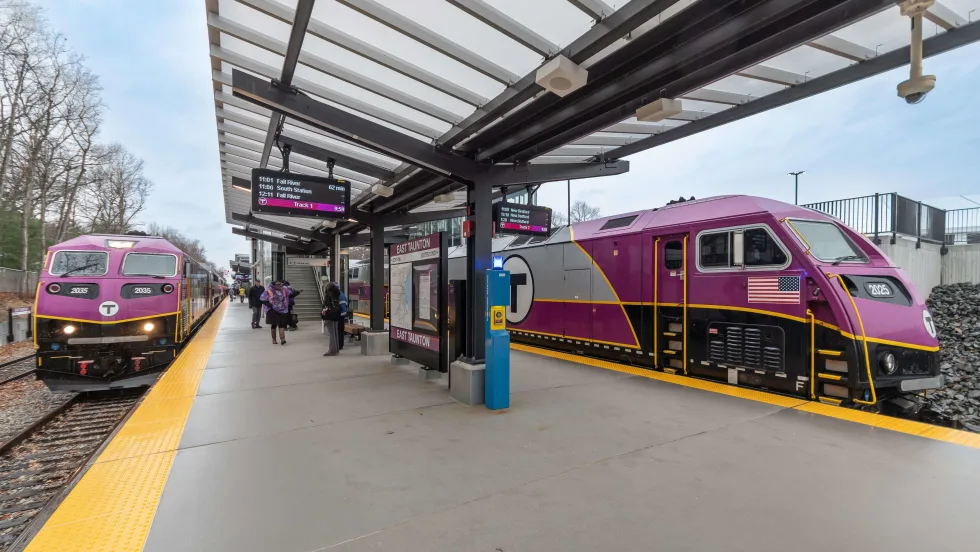
FTA Ends Direct Oversight of MBTA Safety Actions
The federal agency closed its remaining special directive to the Massachusetts Department of Public Utilities following a safety review that began in 2022.
Read More →
Transit Agencies Highlight Safety Gains at National Summit
Leaders from 15 major transit systems shared crime-reduction results and safety initiatives while discussing the role of continued federal support.
Read More →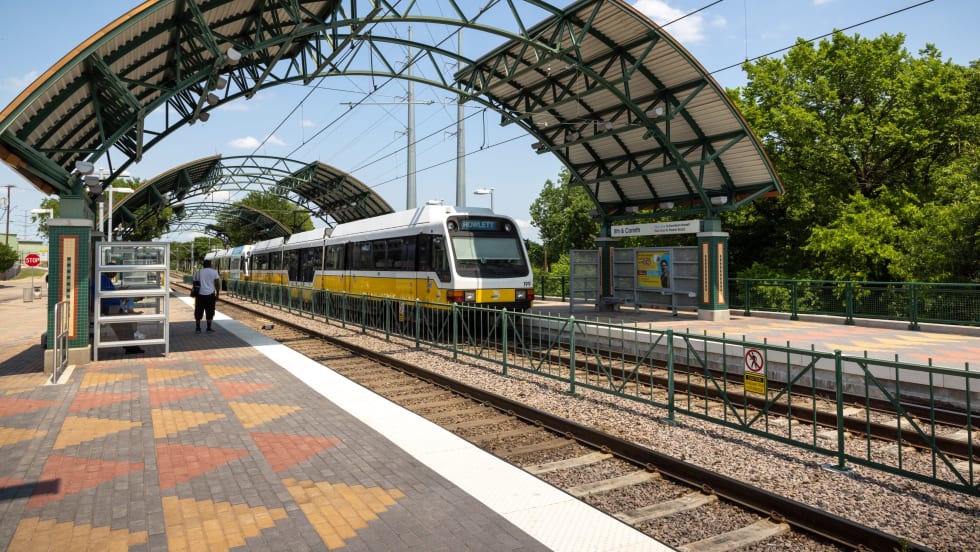
DART Launches Major Security, Fare Enforcement Initiative
The 90-day demonstration will deploy coordinated security teams at five light rail stations while testing controlled access and gathering data to guide future investments.
Read More →
RTD Launches NextRide App to Consolidate Trip Planning, Fares, Security Reporting
The app expands on RTD’s existing NextRide web application and allows customers to view real-time vehicle locations and service alerts, purchase and store digital fares, and access customer support.
Read More →
TAPTCO Updates OSHA Compliance Training for Transit Maintenance Operations
The revamped program addresses 26 OSHA standards for maintenance facilities, with TAPTCO pointing to training, documentation, and everyday shop hazards as continuing challenges for transit operations.
Read More →