



U.S.' zero-emission bus fleet grew nearly 37%, report says
More 200 transit agencies across nation count ZEBs as a part of their fleet with 60 transit agencies adding ZEBs to fleets over the past year.

More 200 transit agencies across nation count ZEBs as a part of their fleet with 60 transit agencies adding ZEBs to fleets over the past year.
Green Power
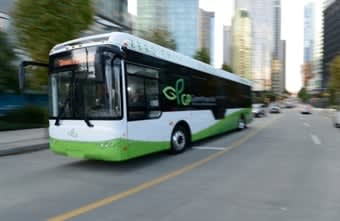
More 200 transit agencies across nation count ZEBs as a part of their fleet with 60 transit agencies adding ZEBs to fleets over the past year.
Green Power
America’s zero-emission bus fleet is on the move, growing nearly 37% since last year according to CALSTART’s annual accounting of electric and fuel-cell transit buses in the U.S. Zeroing in on ZEBs: The Advanced Technology Transit Bus Index counts 2,255 such buses[1] in the U.S., compared to the overall fleet of about 65,000. Although still in early adoption stages, this strong year-to-year growth tells an important story: ZEBs are being adopted in all corners of the U.S. and at a healthy pace.
At a state and regional level, innovation hotspots — clusters of activity where ZEBs and infrastructure are growing within certain fleets and breaking new ground in others — are developing. It comes as no great surprise that California (1,016) and Washington (211) lead the nation in ZEB adoption. Florida is tracking 142 ZEB transit buses and strong increases due to funding and policy signals are expected to continue. Colorado (73), Illinois (73) North Carolina (54), Georgia (53), Indiana (44), New York (40) and Texas (38) round out the top ten states for ZEB adoption.
Ohio is a national fuel-cell transit bus leader, with 12 such buses in that state’s fleet. All of those fuel-cell buses are operated by the Stark Area Regional Transit Authority (SARTA). Fuel cells represent of the Buckeye State’s ZEBs counted in the index. The only state with more fuel cell transit buses is California, with 52. SARTA says it believes so deeply that fuel cells “are the future of automotive, commercial, and public transportation” that it will loan transit agencies looking to test out a fuel cell bus one if its own ZEBS at no cost.[2]
Nationally, zeroing in on ZEBs tracks more 200 transit agencies across the nation that count ZEBs as a part of their fleet with 60 transit agencies adding ZEBs to their fleets over the past year.
In the coming years, we expect to see these strong early adoption rates increase.
Programs and incentives like the FTA’s Low or No-emission Vehicle Program (Lo-No) and the California Hybrid and Zero-Emission Truck and Bus Voucher Incentive Project (HVIP) have contributed to early market successes and continue to act as key drivers as ZEBs become more common.
Other market drivers include zero-emission transit policies as well as funding from the Volkswagen settlement. California — home to the Innovative Clean Transit (ICT) regulation, New York City and Seattle have pledged to go to zero-emissions with their transit bus fleets by the year 2040. San Francisco will go 100% ZEB by 2035 and Los Angeles County will make the transition by 2030. Florida has earmarked $116 million — 70% of the state’s Volkswagen settlement funds — for new transit and school buses that are near- or zero-emission.[3] Washington announced this year it is devoting more than 13 million of its VW settlement to help local transit agencies buy 50 ZEBs.[4] Colorado said this year it would spend $14 million of its Volkswagen settlement on near- and zero-emission buses.[5]
Taking a step back to look at the nation’s ZEB adoption rate is also critical. The numbers demonstrate how the U.S. is positioning itself in the global advanced technology transportation sector.
America’s fleet of 2,255 ZEBs is dwarfed by world leader China. Europe ranks second worldwide for ZEB adoption.
London, Europe’s leading ZEB city, has a fleet of more than 200 electric buses. Santiago, Chile has 200 battery-electric buses and is expected to double that fleet later this year.[6]
These early adopter nations and cities are sending a clear signal to technology companies about where to invest, where to manufacture and where to employ their workforces.
It is important to note that many of the technologies used in ZEBs can be incorporated into other medium- and heavy-duty vehicles. As ZEBs go, so goes a good portion of the medium- and heavy-duty zero-emission market. Electric shuttle and school buses, electric delivery vans, electric hostlers and others can all be powered by technologies found first in ZEBs. For this reason, the ZEB market is considered a key foundational market in the zero-emission medium- and heavy-duty space with the power to contribute to the growth of other advanced zero-emission technologies.
CALSTART will continue to track this important market’s growth in the coming years through our Zeroing in on ZEBs report. These vehicles represent not only a market driver for the advanced technology medium- and heavy-duty market, they are also an environmental and air quality solution. Communities that adopt ZEBs enjoy the perks of catching a cleaner ride on their first day in service. States and nations that lead the global ZEB adoption race position themselves to benefit longer-term from the investment, innovation, efficiencies and the jobs this sector attracts.
As Vice President at CALSTART, Fred Silver provides executive oversight on the Low Carbon Bus and Hydrogen Vehicle Programs.
More Zero Emissions

Caltrain’s Electrification Drives a New Era of Ridership Growth
The railroad’s shift to electric service has brought more frequent trains, stronger customer satisfaction, and increased ridership, earning it APTA’s Outstanding Public Transportation System award.
Read More →
Building a Flexible Path to Transit Electrification with BAE's John Hroncich
John Hroncich discusses BAE Systems’ modular and scalable approach, lessons learned from decades of real-world operations, and how agencies can identify electrification strategies that fit their fleets.
Read More →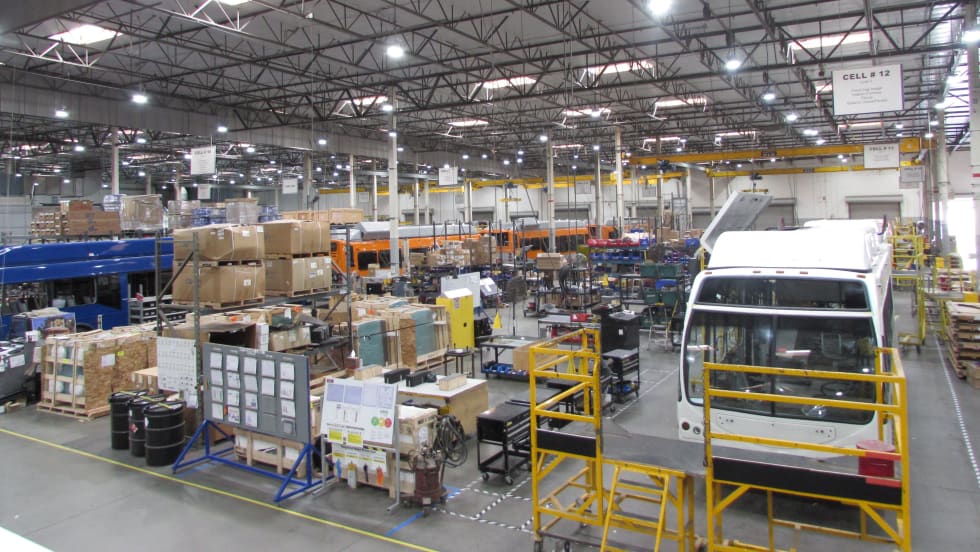
LA Metro Board Awards 220 Battery-Electric Bus Contract to ENC
The contract, which is the largest base award of battery-electric buses by a U.S. transit agency, will be built in Southern California, sustaining good jobs as LA prepares to welcome the world in 2028
Read More →
Public Transit Conference Returning to GFX in 2027, Call for Papers Now Open
The Call for Papers is now open, allowing transit agency professionals and industry experts to help shape the PTC educational program by submitting session ideas for consideration.
Read More →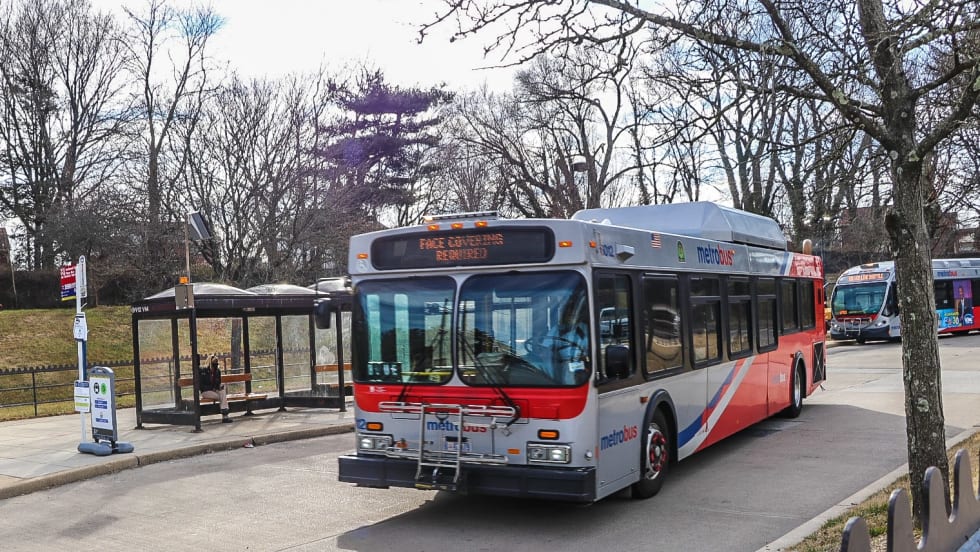
Report: Transit Bus Manufacturing Supports 34,100 Jobs, $5.1B in GDP
The “Buses Mean Business” report examines the transit bus manufacturing industry’s economic footprint, supply chain, and rising demand for vehicle replacements.
Read More →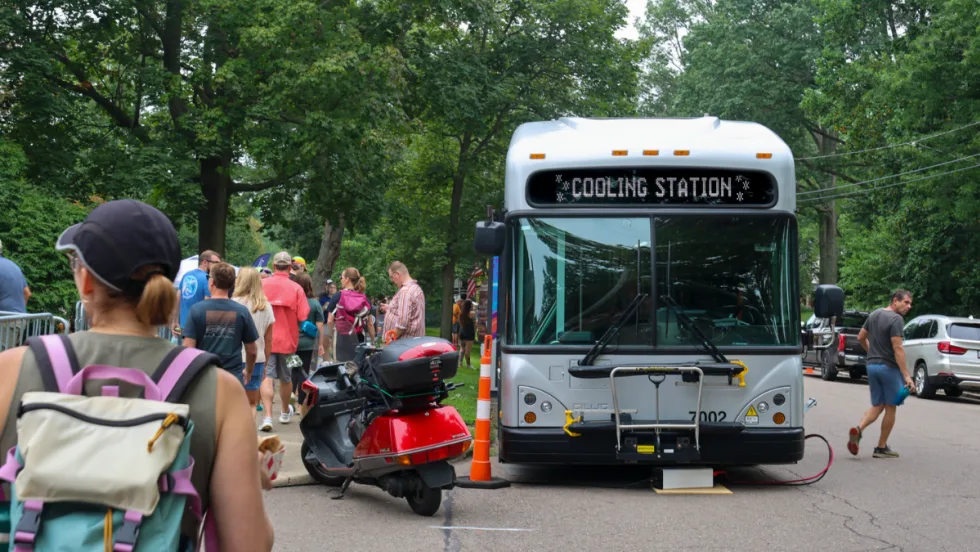
Ohio’s METRO RTA Turns Electric Buses into Mobile Power Sources at PorchROKR
See how three Gillig battery-electric buses powered festival stages while the agency’s new Park & Ride service carried approximately 1,000 attendees, demonstrating another potential use for transit agencies’ electric fleets.
Read More →
CALSTART and Forth Combine to Form Catalyst Mobility
The new name represents a renewed vision for the nonprofit focused on advancing clean, equitable, and affordable transportation solutions that move people and goods.
Read More →
Building a Flexible Path to Transit Electrification
John Hroncich discusses BAE Systems’ modular and scalable approach, lessons learned from decades of real-world operations, and how agencies can identify electrification strategies that fit their fleets.
Read More →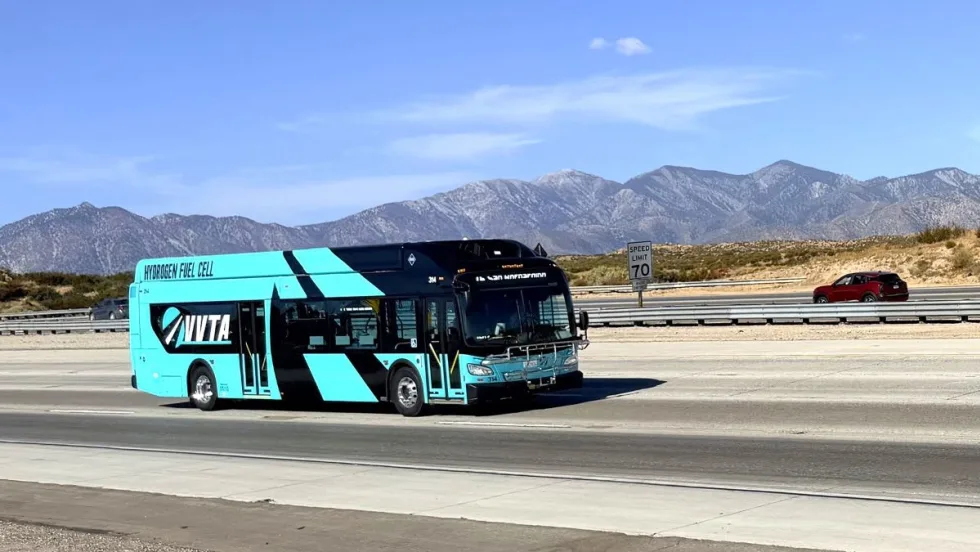
California's VVTA Begins Phased Rollout of Hydrogen Fuel Cell Buses
The agency is introducing 13 zero-emission buses into revenue service while evaluating performance across its urban, rural, and long-distance routes.
Read More →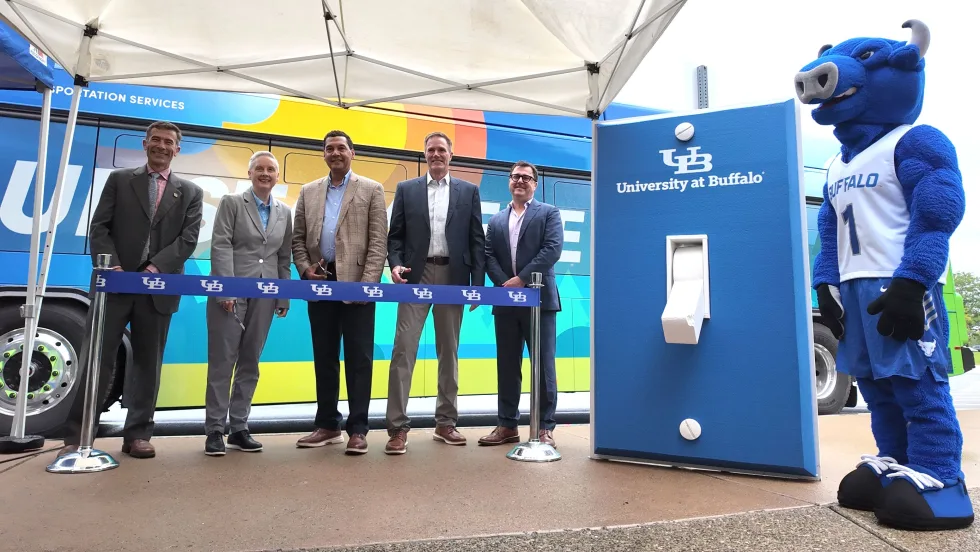
Inside Look: University at Buffalo Puts First 8 Electric Buses Into Stampede Service
UB, transportation solutions provider WeDriveU, and fleet electrification specialist Zenobē marked the deployment in the presence of students, university administrators, and local officials.
Read More →