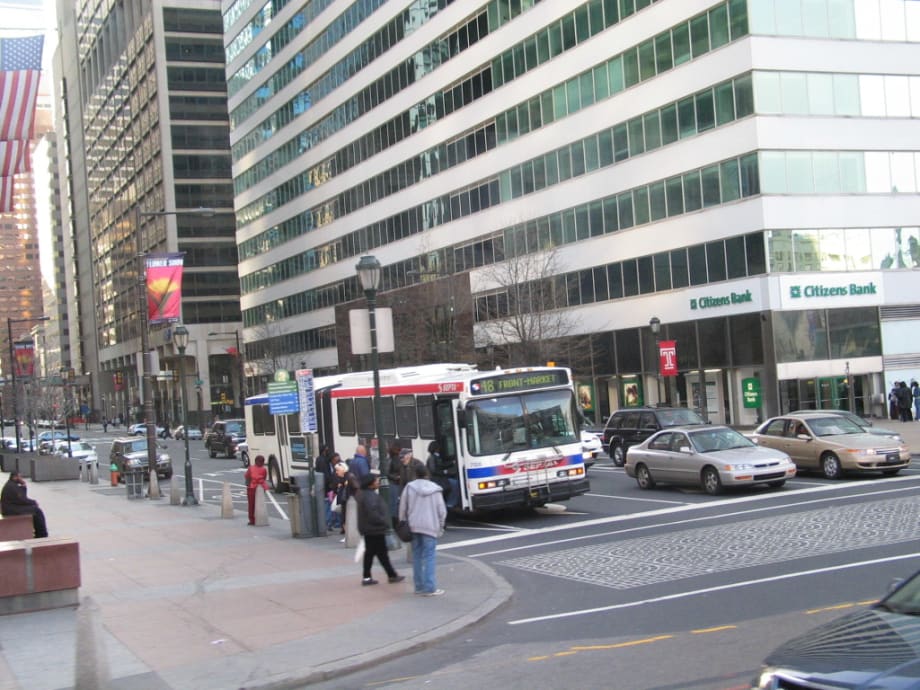
A federal court judge presiding over a dispute between the agency and a group seeking to purchase advertising space on SEPTA vehicles has ruled the agency must accept the ads, even if they contain messages that may be disparaging to riders and agency employees.
A federal court judge presiding over a dispute between the Southeastern Pennsylvania Transportation Authority (SEPTA) and a group seeking to purchase advertising space on SEPTA vehicles has ruled the agency must accept the ads, even if they contain messages that may be disparaging to riders and agency employees.
After careful consideration, SEPTA has decided not to appeal this ruling. The agency’s policy was revised in October 2014 to allow SEPTA to reject these types of ads without violating the First Amendment. However, this policy change was made after the American Freedom Defense Initiative's (AFDI) initial request to purchase advertising space and is not applicable in the matter.
Ad Loading...
Consequently, AFDI has executed a contact with SEPTA's advertising management agency, Titan, to purchase advertising space on the side panel of 84 SEPTA buses. The ads will contain what some may view as anti-Muslim messages. These vehicles will be placed in normal inventory rotation throughout the SEPTA service area. The ads will begin appearing on vehicles during the first week of April for a four-week period.
"We understand that our decision to not file an appeal will be disappointing to those who will be forced to view the disparaging ads," said SEPTA GM Joseph M. Casey. "We are aware that the presence of the ads could anger the public, but caution that attempts to vandalize the ads or deface SEPTA vehicles will not be tolerated."
SEPTA has apologized to its riders and urged them to comment or voice their concerns by completing a SEPTA Customer Service comment form.
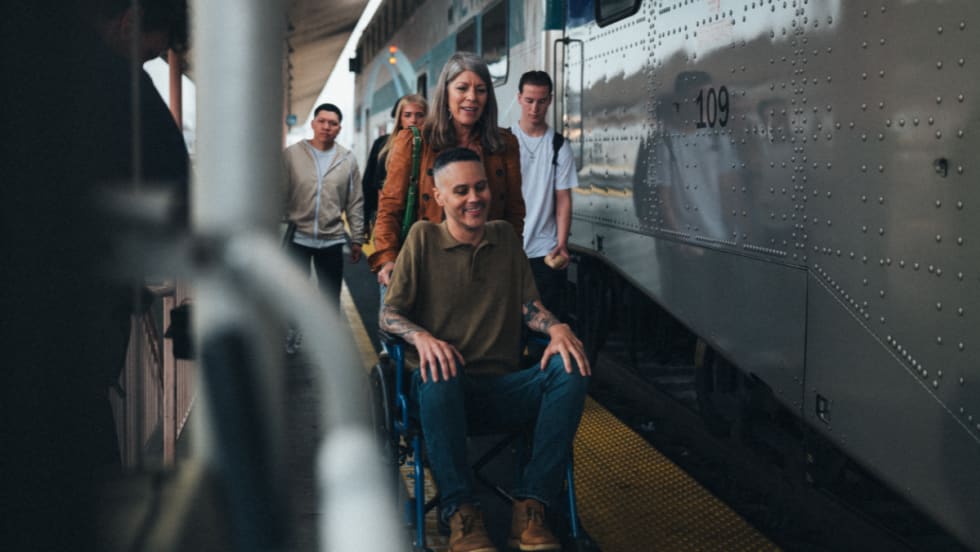
Because rail has high fixed costs and low marginal savings, it is impossible to close the projected FY27 $376M deficit with service cuts and fare increases alone, said agency officials.
The total ridership includes all fixed-route bus service, C-VAN paratransit service, The Current, Vanpool, and special event service. Almost all individual routes saw year-over-year increases from 2024 to 2025.
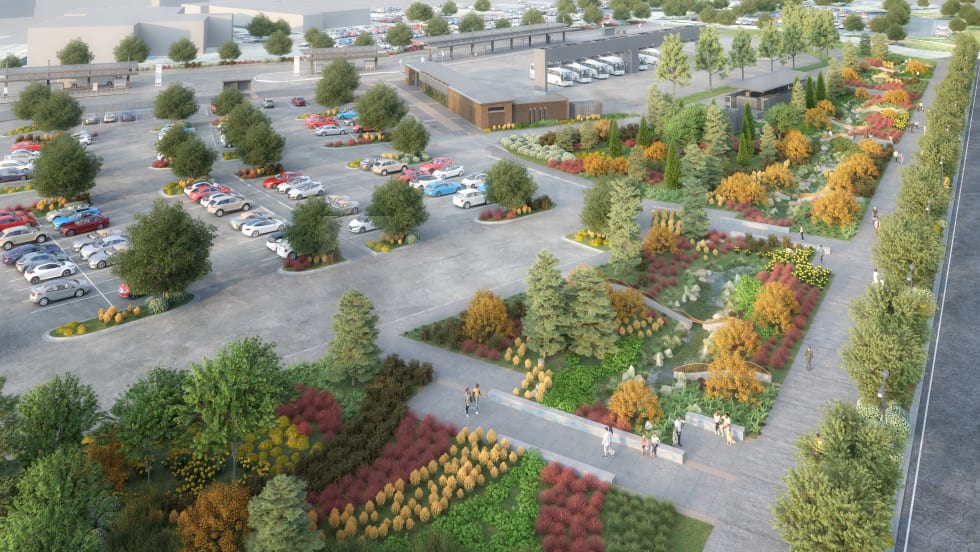
The Renton Transit Center project will relocate and rebuild the Renton Transit Center to better serve the regional Stride S1 line, local King County Metro services, and the future RapidRide I Line.
In this episode of METROspectives, METRO’s Executive Editor Alex Roman sits down with Ana-Maria Tomlinson, Director of Strategic & Cross-Sector Programs at the Canadian Standards Association (CSA Group).
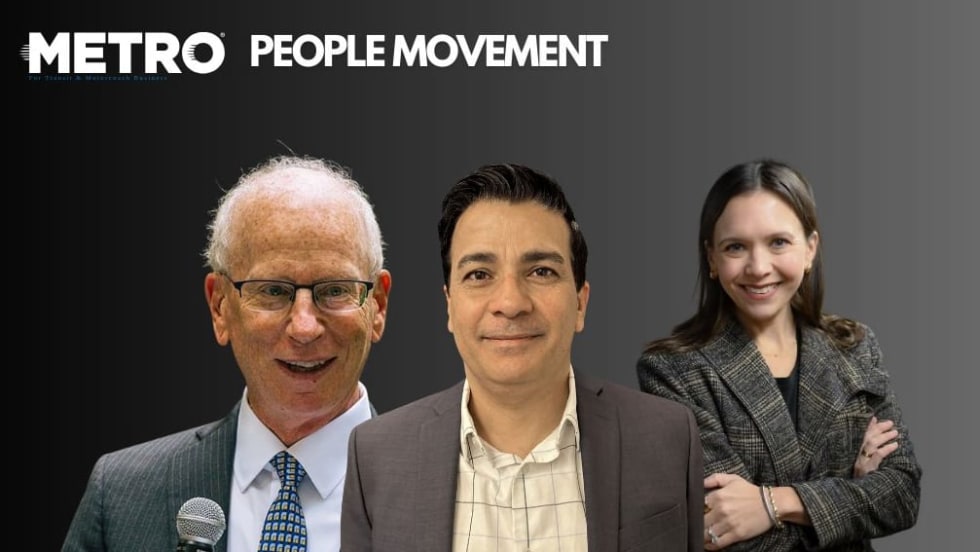
In this edition, we cover recent appointments and announcements at HDR, NCTD, STV, and more, showcasing the individuals helping to shape the future of transportation.
The region’s fixed-route system finished out the year with a total of 373.5 million rides. Adding 12.3 million rides over 2024 represents an increase that is equal to the annual transit ridership of Kansas City.
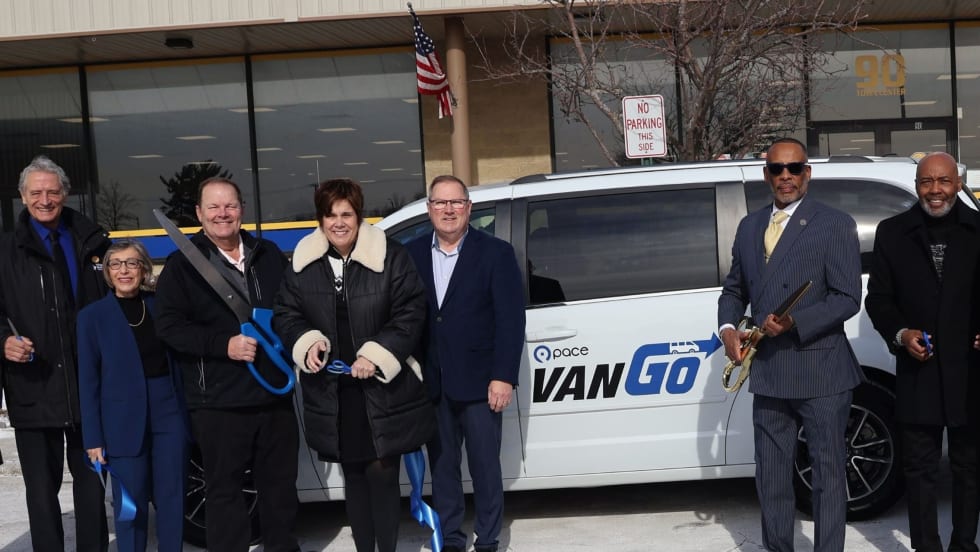
The service is a flexible, reservation-based transit service designed to close the first- and last-mile gaps and connect riders to employment for just $5 per day.
The upgraded system, which went live earlier this month, supports METRO’s METRONow vision to enhance the customer experience, improve service reliability, and strengthen long-term regional mobility.