



Cubic launching loyalty-based ad service for public transit
The service allows brands to place advertisements within a transit agency’s mobile traveler app and/or physical assets such as gates and ticket vending machines.



Cubic Transportation Systems (CTS) is launching an advertising and loyalty rewards platform for public transportation called Cubic Interactive.
Cubic Interactive allows brands to place advertisements within a transit agency’s mobile traveler app and/or physical assets such as gates and ticket vending machines, giving brands access to targeted, captive audiences based on a transit agency’s rich traveler demographic data. Ricola, manufacturer of herb cough drops and breath mints, is the first brand to advertise with Cubic Interactive.
By offering personalized ads within a transit agency’s mobile traveler app or through out-of-home ads, Cubic Interactive gives brands the opportunity to engage with audiences through channels that go beyond traditional mass retailer or national advertising — driving commerce, loyalty, and brand awareness on the go. Travelers can engage with advertising content from brands and earn loyalty points that can then be turned into transit value and used to pay for transit or redeemed for various in-app offers.
Customizable commuter data sets provide brands with flexibility on ad type and targeting, as well as the ability to create and reach highly targeted, engaged, and hyper-local marketing personas to meet various cost per mille (CPM) objectives. In addition, anonymized personal identifiers (PID) data, combined with GPS information provides a level of granularity and measurement that is unique in the world of programmatic and digital.
More Technology
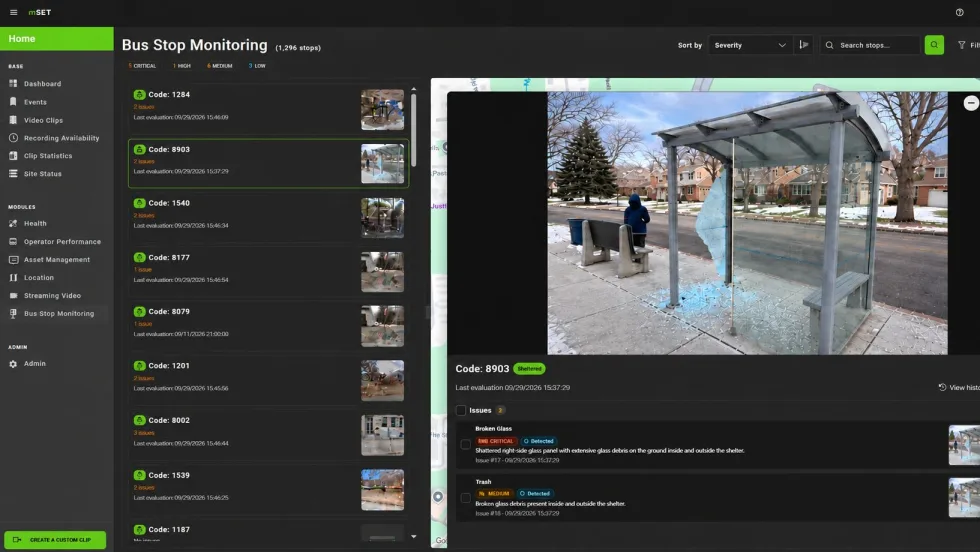
Biz Briefs: Luminator Launches AI Technology to Monitor Bus Stop Conditions and More
In METRO's latest installment, we also take a look at recent news from Masabi, Troman Industries, ioki, CCW, and more partnerships making headlines across the transportation sector.
Read More →
Public Transit Conference Returning to GFX in 2027, Call for Papers Now Open
The Call for Papers is now open, allowing transit agency professionals and industry experts to help shape the PTC educational program by submitting session ideas for consideration.
Read More →
ENC Lands MATA Contract and More in Biz Briefs
In this edition of Biz Briefs, we spotlight the latest developments shaping the future of mobility.
Read More →

Strada360’s Steve Lassey on Turning Transit Data Into Better Decisions
From breaking down data silos to preparing for AI, Strada360 CEO Steve Lassey discusses how transit agencies can use technology to improve operations, customer information, and long-term decision-making.
Read More →
Almaviva Looks to Open Architecture to Advance Transit Technology
Eric Reese discusses how interoperability, open architecture, and modular design can help transit agencies control costs, reduce vendor lock-in, and upgrade technology without starting over.
Read More →
Driving Smarter Paratransit
John Hanlon shares how AlphaRoute is leveraging AI-powered technology to help paratransit providers optimize operations, support frontline staff, and enhance the rider experience.
Read More →
From Hardware to Digital Partner: Luminator Charts Its Next Chapter
CEO Magnus Friberg discusses Luminator’s shift toward becoming a digital partner, the growing importance of software and interoperability, and how AI can help agencies improve operations and passenger experience.
Read More →
Beyond the Checklist: A Structured Approach to Transit Maintenance
Reliability-Centered Maintenance helps transit agencies move beyond routine checklists to focus limited resources on the assets and failures that have the greatest impact on safety, reliability, and service.
Read More →
NJ TRANSIT Advances Bus Technology Upgrades Across Statewide Fleet
More than 1,500 buses now feature upgraded technology designed to improve arrival predictions and provide free Wi-Fi, with deployment expected to reach nearly 2,000 buses by the end of 2026.
Read More →
Building a Flexible Path to Transit Electrification
John Hroncich discusses BAE Systems’ modular and scalable approach, lessons learned from decades of real-world operations, and how agencies can identify electrification strategies that fit their fleets.
Read More →