



CDC releases safety guidance for operators, agencies during COVID-19 pandemic
For bus transit operators, potential sources of exposure include having close contact with a bus passenger with COVID-19 or by contacting surfaces touched or handled by a person with COVID-19.


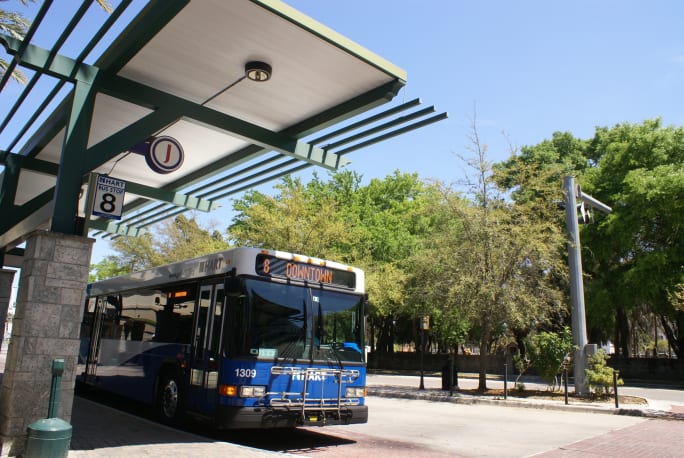
The CDC says operators and trasnit agencies should consider asking bus passengers to enter and exit the bus through rear entry doors. HART
The Centers for Disease Control (CDC) released guidance for bus operators, as well as transit agencies and motorcoach and bus operations, to remain safe and protect themselves from COVID-19 while interacting with customers.
For bus transit operators, potential sources of exposure include having close contact with a bus passenger with COVID-19 or by contacting surfaces touched or handled by a person with COVID-19, the CDC suggests:
Limit close contact with others by maintaining a distance of at least six feet, when possible.
Consider asking bus passengers to enter and exit the bus through rear entry doors.
Request passengers avoid standing or sitting within six feet of the bus driver.
Avoid touching surfaces often touched by bus passengers.
Use gloves if required to touch surfaces contaminated by body fluids.
Practice routine cleaning and disinfection of frequently touched surfaces, including surfaces in the driver cockpit commonly touched by the operator.
Proper hand hygiene is an important infection control measure. Regularly wash your hands with soap and water for at least 20 seconds or use an alcohol-based hand sanitizer containing at least 60% alcohol.
Key times to clean hands, include before, during, and after preparing food; before eating food; after using the toilet; and after blowing your nose, coughing, or sneezing.
Additional workplace-specific times to clean hands include before and after work shifts; before and after work breaks; and after touching frequently touched surfaces, such as fareboxes and handrails.
Avoid touching your eyes, nose, or mouth.
For more, including what employers can do to protect employees, click here.
More Security and Safety

Transit Agencies Highlight Safety Gains at National Summit
Leaders from 15 major transit systems shared crime-reduction results and safety initiatives while discussing the role of continued federal support.
Read More →
DART Launches Major Security, Fare Enforcement Initiative
The 90-day demonstration will deploy coordinated security teams at five light rail stations while testing controlled access and gathering data to guide future investments.
Read More →
RTD Launches NextRide App to Consolidate Trip Planning, Fares, Security Reporting
The app expands on RTD’s existing NextRide web application and allows customers to view real-time vehicle locations and service alerts, purchase and store digital fares, and access customer support.
Read More →

TAPTCO Updates OSHA Compliance Training for Transit Maintenance Operations
The revamped program addresses 26 OSHA standards for maintenance facilities, with TAPTCO pointing to training, documentation, and everyday shop hazards as continuing challenges for transit operations.
Read More →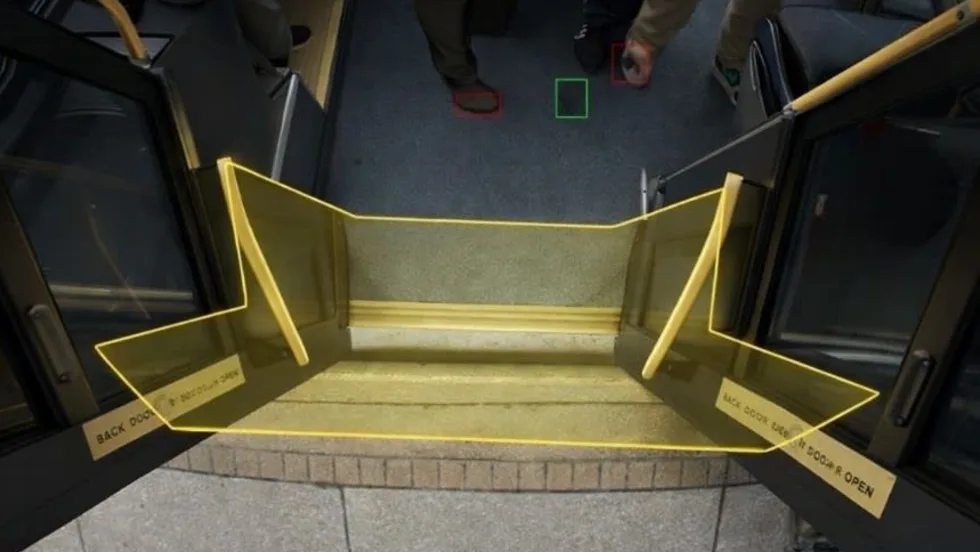
How VaporVision Adds Value to Transit Door Systems
Wabtec engineers explain how the system improves doorway detection, strengthens diagnostics and gives transit agencies and OEMs greater operating flexibility.
Read More →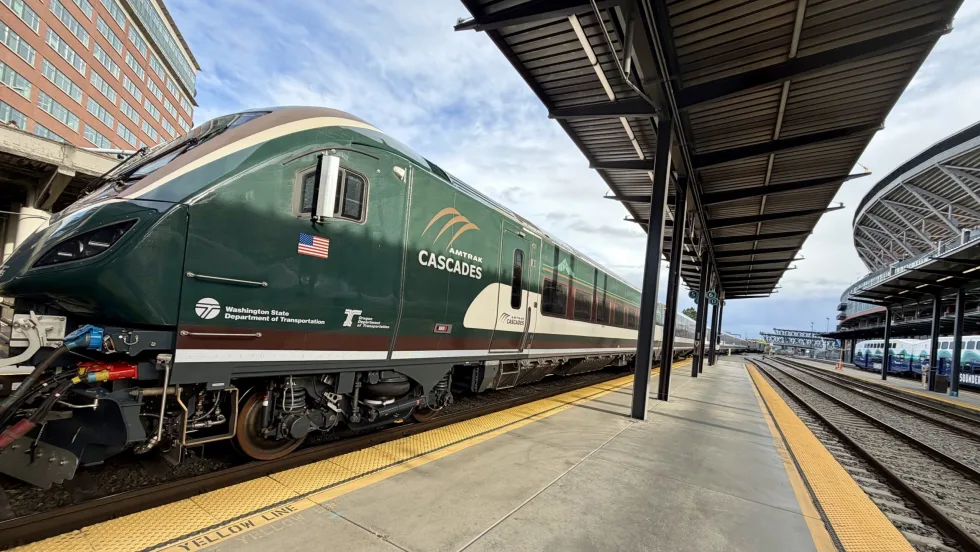
FRA Announces $5.3B in Rail Investments, Including $2B for Amtrak
Funding will support grade-crossing improvements, infrastructure upgrades, and new Amtrak equipment in 23 states.
Read More →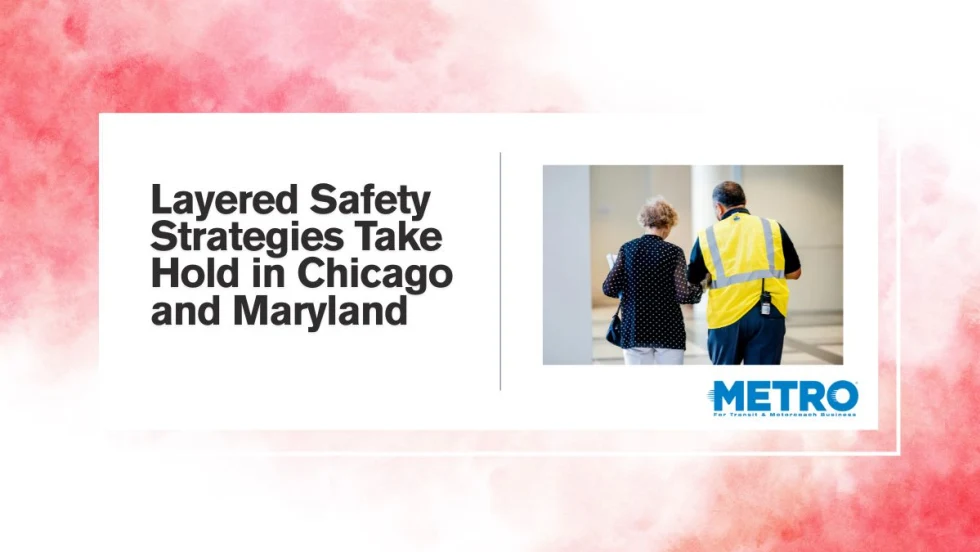
Chicago, Maryland Expand Non-Law-Enforcement Safety, Rider Support
The CTA and MTA are launching new programs aimed at de-escalation, crisis response, rider assistance, and greater transparency.
Read More →
LA Metro, City of West Hollywood, and Partners Advance Smarter Bus Lane Enforcement
The award-winning partnership combines AI-powered detection with human oversight to improve bus reliability, accessibility, and enforcement efficiency.
Read More →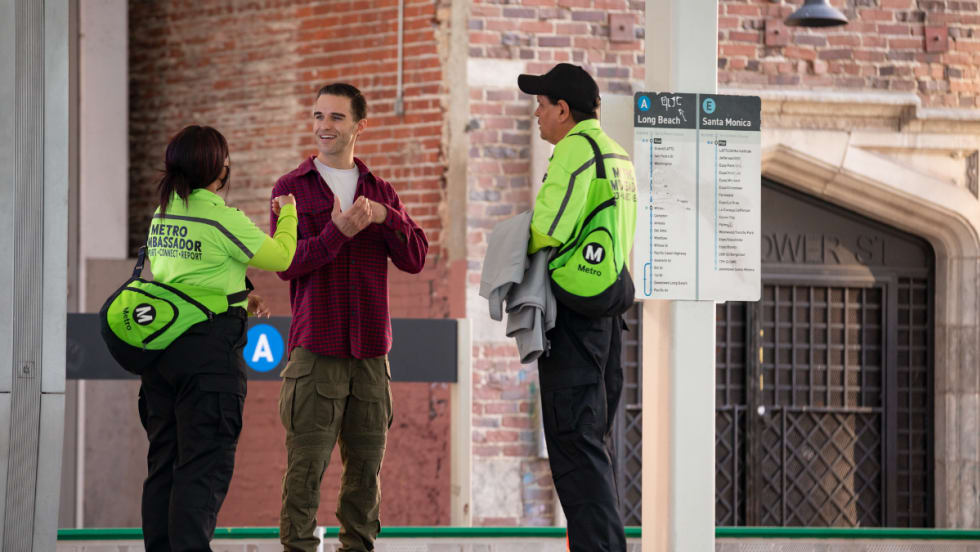
LA Metro Reports 57% Decline in Homelessness on Transit System Since 2024
The agency's latest homelessness count offers new data on how care-based services and cross-sector partnerships can complement traditional transit security strategies.
Read More →
FTA Launches 'Transit Moves America' Dashboard to Highlight Agency Safety and Performance
The online dashboard transforms National Transit Database information into a public-facing resource that allows users to compare transit agencies on key operational and safety metrics.
Read More →