



Metra Board Approves Purchase of up to 500 Modern Railcars
The new cars will offer increased reliability, while reducing operating costs — a substantial improvement over the increasing expense of maintaining the older cars.
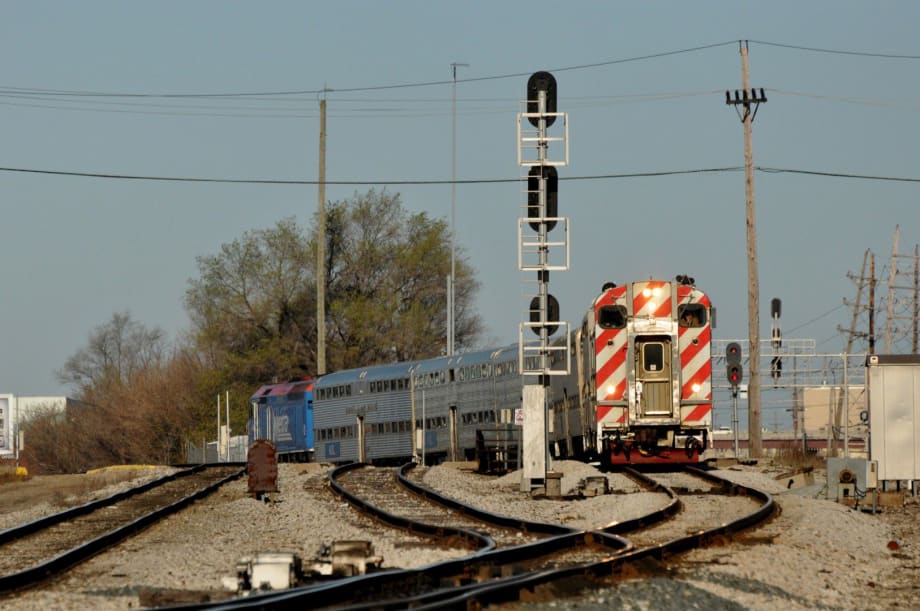
About 40% of Metra’s current fleet of 840 cars are rated in marginal or poor condition, although they are still safe to operate.
Metra
Metra’s board approved the purchase of up to 500 state-of-the-art railcars from Alstom Transportation, opting for new multilevel cars that will be more comfortable, accessible, reliable, and safe than the outdated gallery cars they will replace.
“We are finally modernizing one of the oldest fleets in the country and, in doing so, we will improve operations while elevating our passenger experience to an entirely new level,” said Metra’s CEO/Executive Director Jim Derwinski. “It’s really part of our long-term plan to evolve and serve the changing needs of today’s commuters.”
About 40% of Metra’s current fleet of 840 cars are rated in marginal or poor condition, although they are still safe to operate. The new cars will offer increased reliability, while reducing operating costs — a substantial improvement over the increasing expense of maintaining the older cars.
The acquisition has been part of Metra’s board plan since 2014. The board reviewed and discussed the need for new railcars through a lens of fiscal responsibility, while acknowledging this as the first coach fleet purchase in more than two decades. With consideration given to the impact of operational cost savings, the board voted unanimously to approve the purchase.
The new cars will have two entranceways on each side with doors nearly level to the platform, thereby requiring only one step to enter instead of multiple steps on the old gallery cars. These changes will improve passenger flow, increase safety, and reduce time spent boarding and deboarding at each station. The cars will also be wheelchair accessible for people with disabilities, deploying lifts to bridge the slight difference between the platform and entrance.
Driven by consumer research conducted in 2019, the new cars will be designed for modern-day comfort and teeming with passenger amenities, including video screens, bike racks, storage for bags, charging outlets, cupholders, arm rests, and more.
From a mechanical perspective, the new cars will be significantly quieter and deliver a noticeably smoother ride. But one upgrade that may interest today’s riders is the addition of the most advanced HVAC system available, which will scrub the circulated air — reducing staleness, allergens, and airborne viruses.
The new cars will have stainless steel bodies and be compatible with Metra’s existing fleet, which means they can be coupled to current cars. They will also feature many reliability and safety upgrades, including a microprocessor-controlled braking system, electrically operated doors, and passenger area cameras.
The initial order will be for 200 cars. Metra will have the option to buy up to 300 additional cars for up to $1.8 billion total. The cars specified in the contract are a customized version of Alstom’s Coradia Duplex model and will be built at their Hornell, N.Y. manufacturing facility.
More Rail

New York MTA Advances Final Contract for Second Avenue Subway Expansion
Contract Four is the largest in the Second Avenue Subway Phase 2 project and includes construction of station infrastructure, tracks, and signals for the subway expansion, MTA officials said. Work on Contract Four will begin in 2027.
Read More →
San Diego MTS Breaks Monthly Trolley Ridership Record
Agency officials said July’s ridership indicates MTS’s continued recovery from the pandemic.
Read More →
Report Examines NJ TRANSIT Reliability, Funding Challenges
The Garden State Initiative analysis examines the roles of Amtrak infrastructure, fleet management, and agency operations while recommending a more performance-based approach to improving reliability.
Read More →
Stadler, CapMetro Sign Long-Term Rail Fleet Support Agreement
Beginning in 2027, Stadler will provide on-site technical expertise, spare parts support, training, and obsolescence management to help extend the reliability and longevity of CapMetro’s GTW fleet.
Read More →
Biz Briefs: Alstom Lands Canadian Contract, LYT to Supply California TSP, and More
In METRO's latest installment, we take a look at recent news from Complete Coach Works, Beep, FlixBus, and more partnerships making headlines across the transportation sector.
Read More →
CATS Gold Line Marks 5 Years of Service, 2.8M Passenger Trips
With a six-mile expansion planned, the Charlotte streetcar is positioned to connect more neighborhoods and major transit hubs across the region.
Read More →
Why Simulating Pedestrian Movement Has Become Essential for Modern Rail Stations
Pedestrian microsimulation is helping rail planners identify bottlenecks, test station designs, and prepare complex transit hubs for growing passenger volumes.
Read More →
Amtrak Begins Major Construction at New York’s Sunnyside Yard
The new maintenance facility will support Amtrak’s Airo trainsets while improving maintenance efficiency and turnaround times in New York.
Read More →
Chicago Leaders Unveil Plans for O’Hare Airport Express Train
The privately developed project would offer a 15-minute trip between downtown and O’Hare’s Terminal 2, with trains operating every 15 minutes on a dedicated track. The service would use battery-electric trains and three existing freight rail rights-of-way.
Read More →
OCTA Maps Out 30-Year Strategy to Protect Coastal Rail Corridor
The draft feasibility report identifies strategies to protect the coastal rail line for decades as the agency continues near-term stabilization and sand placement efforts.
Read More →