



Milwaukee, Via Launch Service Connect City Workers With Suburb Jobs
FlexRide Milwaukee's goal is to use technology to close Milwaukee’s first- and last-mile transit gaps.
The service will operate through the fall of 2022. The project team aims to leverage the pilot to identify funding to continue the service beyond this time.
Photo: Via
City of Milwaukee residents have a new way to get to jobs in the northwest suburbs with FlexRide Milwaukee.
FlexRide Milwaukee launches in early February, with riders picked up from one of five stops served by the Milwaukee County Transit System (MCTS) in and around Milwaukee’s north and northwest sides and dropped off at any employer within the Menomonee Falls and Butler service areas.
Riders must be at least 18 years old. City of Milwaukee residents, working or willing to work within the service areas, can request pickups using a smartphone app or by phone.
Riders must register to use the service. To do so, they can fill out this form to determine eligibility and share basic information with the FlexRide team.
While registration is not required for employers, businesses and organizations with more than 10 employees in Menomonee Falls and Butler that employ or intend to employ City of Milwaukee residents are also encouraged to sign up for FlexRide.
FlexRide’s goal is to use technology to close Milwaukee’s first- and last-mile transit gaps (the distance between an existing bus stop and one’s ultimate destination). Closing transit gaps can expand access to transportation for local workers, ultimately fostering opportunities for economic mobility.
The service is a pilot funded by a $1 million grant from the National Science Foundation to the University of Wisconsin-Milwaukee and the Southeastern Wisconsin Regional Planning Commission, received in the fall of 2021.
Via will power the service using its technology platform. Via’s algorithms create shared trips, which have fixed routes and schedules.
“We are excited to be collaborating with our partners on a technology-driven solution to a longstanding problem for our region – access to jobs,” Kevin Muhs, executive director of the Southeastern Wisconsin Regional Planning Commission, said. “Lack of transportation is too often a barrier for workers wanting to get to jobs and employers wanting to attract new employees, made worse during the pandemic. This is one step toward closing that gap and making us stronger as a region.”
The service will operate through the fall of 2022. The project team aims to leverage the pilot to identify funding to continue the service beyond this time.
“We encourage anyone who currently works in one of the service areas – or is hoping to – to consider signing up for FlexRide,” said Chytania Brown, president/CEO of Employ Milwaukee. “As Milwaukee County’s workforce development board, we work every day to develop workforce solutions that promote regional economic growth and employment opportunity for all job seekers. FlexRide Milwaukee does just that.”
Employee and employer participants will be asked to take part in surveys throughout the pilot to evaluate the program and to help shape potential long-term transportation investments.
More New Mobility

From Hardware to Digital Partner: Luminator Charts Its Next Chapter
CEO Magnus Friberg discusses Luminator’s shift toward becoming a digital partner, the growing importance of software and interoperability, and how AI can help agencies improve operations and passenger experience.
Read More →
Biz Briefs: Alstom Lands Canadian Contract, LYT to Supply California TSP, and More
In METRO's latest installment, we take a look at recent news from Complete Coach Works, Beep, FlixBus, and more partnerships making headlines across the transportation sector.
Read More →
CharterUP’s Armir Harris on Technology, AI, and the Future of Group Mobility
In a recent episode of METROspectives, CharterUP Founder/CEO Armir Harris discussed the company’s evolution from an online charter bus marketplace into a technology platform supporting public- and private-sector mobility and much more.
Read More →
Jacksonville’s NAVI Project Charts a New Course for Autonomous Public Transportation
Through its NAVI program, JTA is showing how autonomous vehicles, intelligent infrastructure, and coordinated operations can work together to deliver everyday public transportation.
Read More →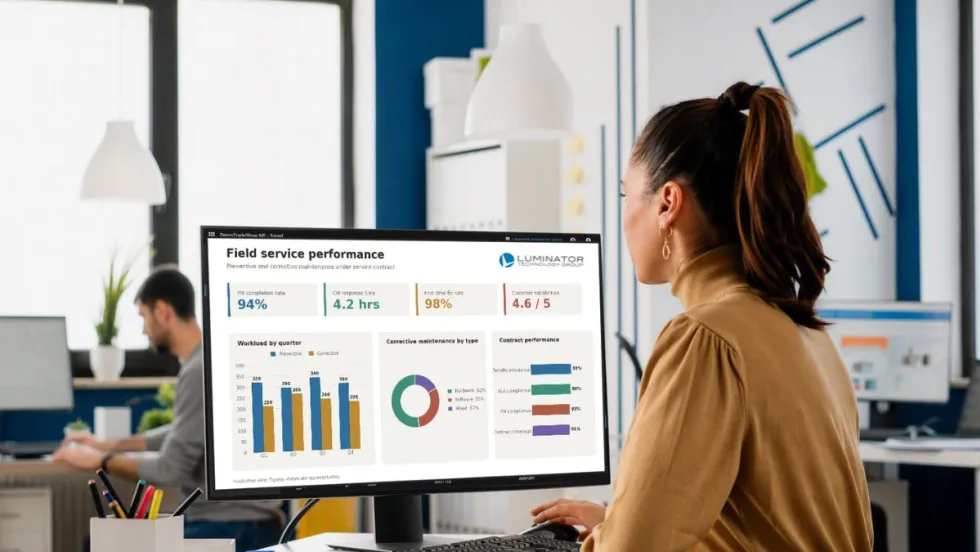
Biz Briefs: Luminator Marks Milestone and More
From manufacturers and suppliers to transit agencies and motorcoach operators, these updates offer a snapshot of the projects, partnerships and business moves driving the industry forward.
Read More →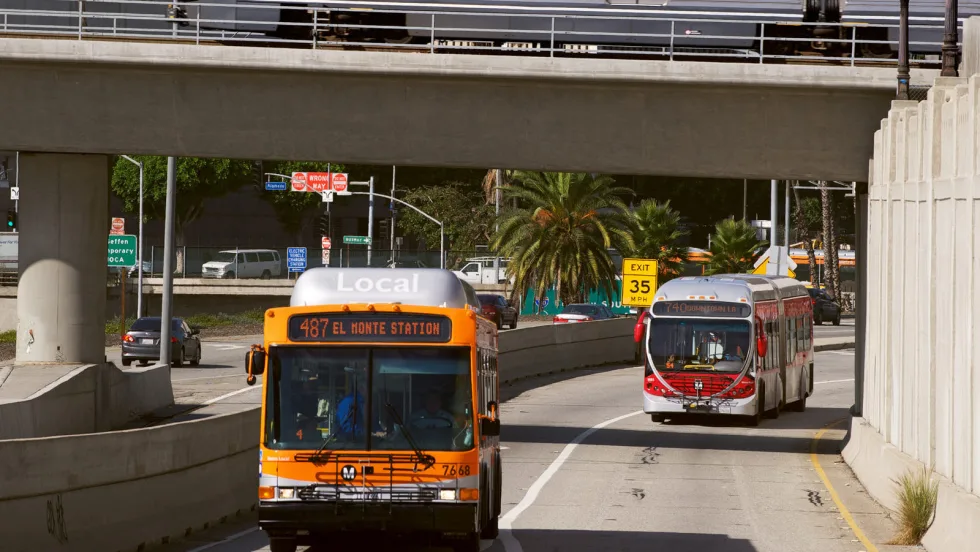
New Tricks for Old Bureaucracies: Joshua Schank on Making Transit Innovation Stick
Former LA Metro Chief Innovation Officer Joshua Schank discusses why good ideas aren't enough, how transit agencies can overcome resistance to change, and why today's challenges demand more innovation.
Read More →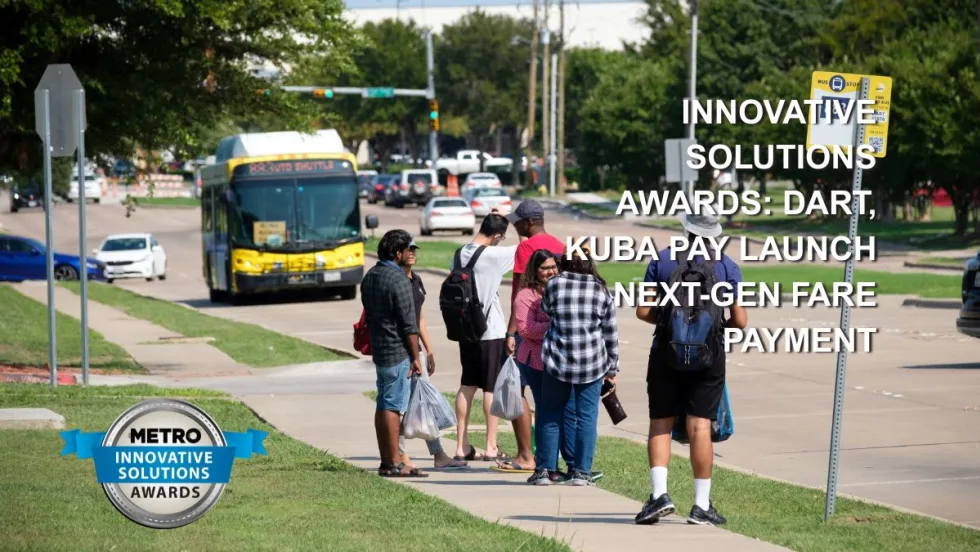
How DART's GoPass Is Redefining Regional Mobility
Serving 14 transit agencies, GoPass simplifies multimodal travel by allowing riders to plan, pay for, and manage an entire trip through one app.
Read More →
Biz Briefs: OCTA Taps Clean Energy for Hydrogen Station, Stadler to Supply Via Rail Vehicles, and More
From manufacturers and suppliers to transit agencies and motorcoach operators, these updates offer a snapshot of the projects, partnerships and business moves driving the industry forward.
Read More →CharterUP Expands Into New Mobility and Autonomous Transportation
Vice President of New Mobility Stephen Joos discusses how CharterUP is leveraging its nationwide transportation network, technology platform, and autonomous vehicle partnerships to expand into workforce mobility, campus shuttles, and transit solutions.
Read More →
METRO Magazine Announces 2026 Innovative Solutions Awards Winners
Projects Recognized for Advancing Mobility Through Technology, Accessibility, Workforce Innovation, and Operational Excellence
Read More →