




60 Years in the Making, New York’s East Side Access is Close to Becoming a Reality
MTA Launches Process to Enhance Bicycle, Micromobility Access
The plan will redouble the MTA’s commitment to creating equitable access to transit system and supporting sustainable transportation modes.
May 31, 2022
The Authority is launching this plan in accordance with state legislation signed into law last year by Governor Kathy Hochul.
Photo: MTA
2 min to read
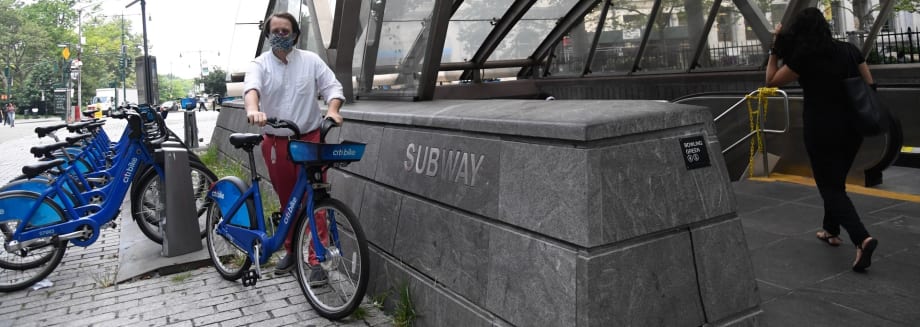
Metropolitan Transportation Authority (MTA) Chair and CEO Janno Lieber announced that the MTA will create a strategic action plan to enhance bicycle, pedestrian, and micromobility access to MTA facilities and services.
In addition, the MTA has hired Sam Schwartz Engineering as a consultant to provide critical expertise and support to the creation of the plan.
"We want to improve customer access to our environmentally friendly MTA services, however they get to their train or bus,” Lieber said. “As a cyclist myself, I know that biking can be the perfect complement to mass transit. This plan improves access to our services through cycling, walking, and micromobility and will help bring riders back and reduce our carbon footprint.”
The plan, to be released this year, will redouble the MTA’s commitment to creating equitable access to transit system and supporting sustainable transportation modes. The Authority is launching this plan in accordance with state legislation signed into law last year by Governor Kathy Hochul.
Through the strategic action plan, the MTA will:
Improve bicycle, pedestrian, and micromobility access to subway stations and bus stops
Improve access at Long Island Rail Road and Metro-North Railroad stations
Integrate trip planning and payments with bike-sharing and other micromobility services like electric scooters
Strengthen coordination with municipalities
Improve pedestrian and bicycle access to and on MTA bridges
These improvements will support the growth of sustainable transportation modes and ensure the MTA remains focused on enhancements that will enable cyclists, pedestrians, and micromobility users to better use the MTA’s transportation network.
“I’m excited to see this major step toward the creation of our bicycle, pedestrian, and micromobility plan,” said MTA Jamie Torres-Springer, construction and development president. “At MTA Construction and Development, we are committed to enhancing mobility and accessibility throughout our system. This plan will reflect that, with real, tangible action steps to increase connections to our system and make it easier to move throughout the New York City region without ever getting in a car.”
Further improvements are planned, including a partnership with the NYC Department of Transportation to site bicycle parking near subway stations. The MTA is also planning to work with stakeholders in the commuter rail territory to implement ten pilot programs, including bicycle, pedestrian, and micromobility station access improvements.
The MTA said it is encouraging members of the public to provide comments during the development of the strategic action plan. Public comments can be submitted via the MTA web page.
More New Mobility

From Hardware to Digital Partner: Luminator Charts Its Next Chapter
CEO Magnus Friberg discusses Luminator’s shift toward becoming a digital partner, the growing importance of software and interoperability, and how AI can help agencies improve operations and passenger experience.
Read More →
Biz Briefs: Alstom Lands Canadian Contract, LYT to Supply California TSP, and More
In METRO's latest installment, we take a look at recent news from Complete Coach Works, Beep, FlixBus, and more partnerships making headlines across the transportation sector.
Read More →
CharterUP’s Armir Harris on Technology, AI, and the Future of Group Mobility
In a recent episode of METROspectives, CharterUP Founder/CEO Armir Harris discussed the company’s evolution from an online charter bus marketplace into a technology platform supporting public- and private-sector mobility and much more.
Read More →
Jacksonville’s NAVI Project Charts a New Course for Autonomous Public Transportation
Through its NAVI program, JTA is showing how autonomous vehicles, intelligent infrastructure, and coordinated operations can work together to deliver everyday public transportation.
Read More →
Biz Briefs: Luminator Marks Milestone and More
From manufacturers and suppliers to transit agencies and motorcoach operators, these updates offer a snapshot of the projects, partnerships and business moves driving the industry forward.
Read More →
New Tricks for Old Bureaucracies: Joshua Schank on Making Transit Innovation Stick
Former LA Metro Chief Innovation Officer Joshua Schank discusses why good ideas aren't enough, how transit agencies can overcome resistance to change, and why today's challenges demand more innovation.
Read More →
How DART's GoPass Is Redefining Regional Mobility
Serving 14 transit agencies, GoPass simplifies multimodal travel by allowing riders to plan, pay for, and manage an entire trip through one app.
Read More →
Biz Briefs: OCTA Taps Clean Energy for Hydrogen Station, Stadler to Supply Via Rail Vehicles, and More
From manufacturers and suppliers to transit agencies and motorcoach operators, these updates offer a snapshot of the projects, partnerships and business moves driving the industry forward.
Read More →CharterUP Expands Into New Mobility and Autonomous Transportation
Vice President of New Mobility Stephen Joos discusses how CharterUP is leveraging its nationwide transportation network, technology platform, and autonomous vehicle partnerships to expand into workforce mobility, campus shuttles, and transit solutions.
Read More →
METRO Magazine Announces 2026 Innovative Solutions Awards Winners
Projects Recognized for Advancing Mobility Through Technology, Accessibility, Workforce Innovation, and Operational Excellence
Read More →