




RELATED: Keolis to manage, operate GTA's bus, paratransit services
Keolis to operate RTC of Washoe County's bus services
The fixed-route bus network serves over seven million annual passengers, including over 20,000-weekday riders.
April 17, 2019
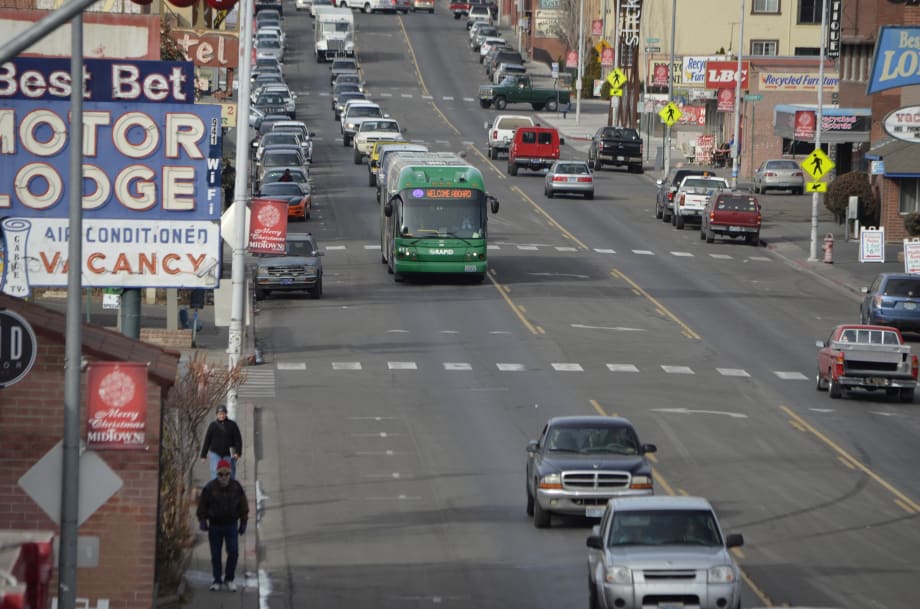
The RTC plans to eventually convert to an all-electric fleet, and incorporate new transportation modes into its network to improve and expand service offerings for the community.
RTC of Washoe County
1 min to read

The RTC plans to eventually convert to an all-electric fleet, and incorporate new transportation modes into its network to improve and expand service offerings for the community.
RTC of Washoe County
Keolis was awarded a contract to operate and maintain the Regional Transportation Commission (RTC) of Washoe County Nevada’s fixed-route bus service, RTC RIDE. The fixed-route bus network serves over seven million annual passengers, including over 20,000-weekday riders on 56 peak-operated vehicles.
RTC RIDE bus service comprises 27 routes. Vehicle operation, maintenance and repair, customer service, and workforce development and training are just a few of the services detailed in Keolis’ scope of work. Keolis employees have already been engaging with the community and taking steps to ensure a smooth transition ahead of services launching on July 1, 2019.
“Keolis and the RTC share a similar vision for the future of transportation in Washoe County; we see a system with tremendous potential and a partner with a willingness to incorporate innovative transportation solutions to make a positive and sustainable impact on the community,” said Keolis Transit America President & CEO Steve Shaw.
The RTC plans to eventually convert to an all-electric fleet, and incorporate new transportation modes into its network to improve and expand service offerings for the community. In close collaboration with the RTC, Keolis said it welcomes the opportunity to support the 2040 Regional Transportation Plan, which includes fostering safe and healthy communities, incorporating more sustainable transportation options, increasing passenger travel choices and supporting economic development, and diversification in Washoe County.
More Management

LIT Marks 10-Year Milestone at Annual Summit
Hosted by the COTA from September 10 to 13, the Summit carried the theme “Celebrating 10 Years of Excellence, Leadership, and Impact,” with every part of the program honoring the people, agencies, and partners who built LIT over its first decade.
Read More →
People Movement: Dan Dipert Coaches Adds Third-Generation Leader, Keolis Names New Valley Metro VP/GM, and More
In this edition, we also cover recent appointments and announcements at the Wabtec, SilverRide, HNTB, and more, showcasing the individuals helping to shape the future of transportation.
Read More →
METRO Opens Submissions for 2026 Motorcoach Awards
Nominations are now being accepted for METRO Magazine’s Operator of the Year and Innovative Operator of the Year awards.
Read More →

New York MTA Advances Final Contract for Second Avenue Subway Expansion
Contract Four is the largest in the Second Avenue Subway Phase 2 project and includes construction of station infrastructure, tracks, and signals for the subway expansion, MTA officials said. Work on Contract Four will begin in 2027.
Read More →
Transit Agencies Highlight Safety Gains at National Summit
Leaders from 15 major transit systems shared crime-reduction results and safety initiatives while discussing the role of continued federal support.
Read More →
NITA Names New Leadership, Expands Reduced-Fare Program at First Board Meeting
The new regional transit authority appointed its first board chair and interim executive director while extending reduced fares across CTA, Metra, and Pace for eligible riders.
Read More →
Beyond the Checklist: A Structured Approach to Transit Maintenance
Reliability-Centered Maintenance helps transit agencies move beyond routine checklists to focus limited resources on the assets and failures that have the greatest impact on safety, reliability, and service.
Read More →
APTA 2026 Nominating Committee Selects Leadership Slate, Names Chair and Vice Chair Nominees
Leadership changes will help shape the association’s priorities and its representation of the transportation industry during the 2026–2027 term.
Read More →
DART Launches Major Security, Fare Enforcement Initiative
The 90-day demonstration will deploy coordinated security teams at five light rail stations while testing controlled access and gathering data to guide future investments.
Read More →
Sponsored•September 9, 2026
Advancing Fare Collection Through Technology and Innovation
Learn about delivering 1300 gates at 91 stations while managing fare evasion. Explore the large scale deployment, solution customization and real-world results that affect the region. Prepare for deployment in your region now.
Read More →