



2010 Top 100 Bus Fleets
A look at some of 2010's Top 100 Bus Fleets. Overall, this year's respondents reported less vehicles, however, a higher number of those vehicles reported used alternative fuels.
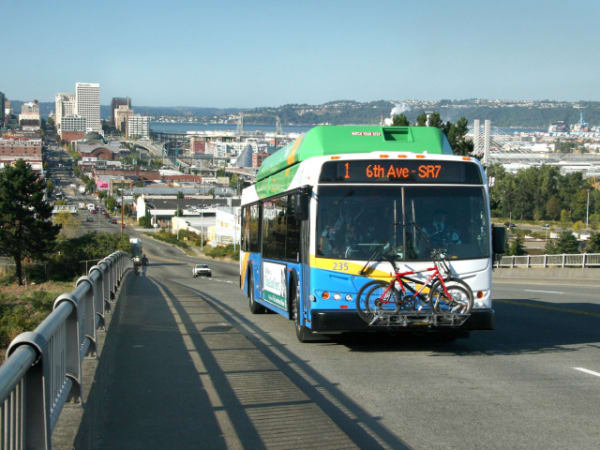
Lakewood, Wash.-based Pierce Transit has added a new radio system with CAD and GPS as well as automatic passenger counters and a smart card fare collection system.
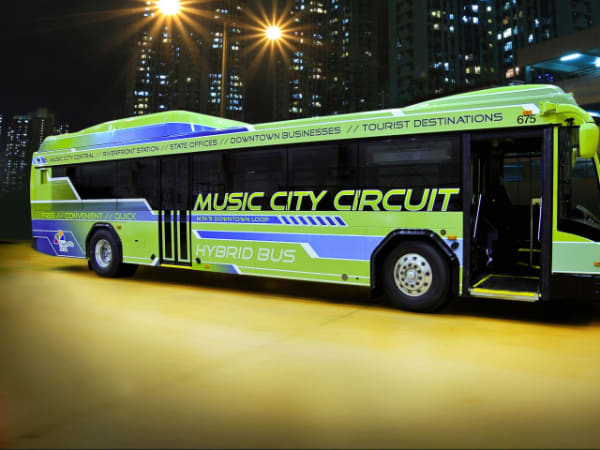
One of three new kid's on the block in METRO's Top 100, Nashville MTA reported 206 vehicles, placing them at No. 87. The agency recently suffered a loss of vehicles due to flooding in the area, however, it has been able to replace damaged fleet vehicles quickly.
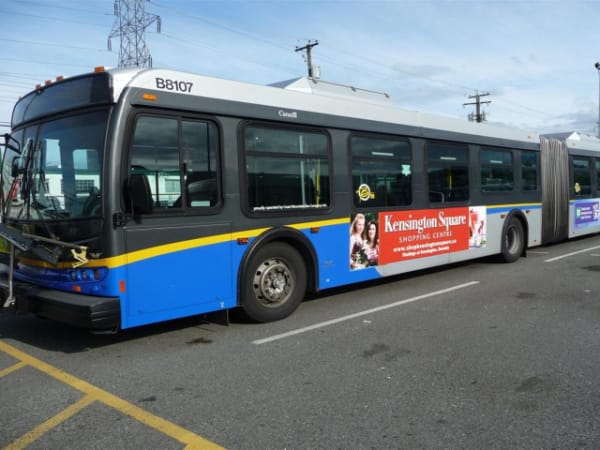
Vancouver, B.C.'s Coast Mountain Bus Co. just missed this year's top 10, coming in at No. 11 with 1,435 vehicles.
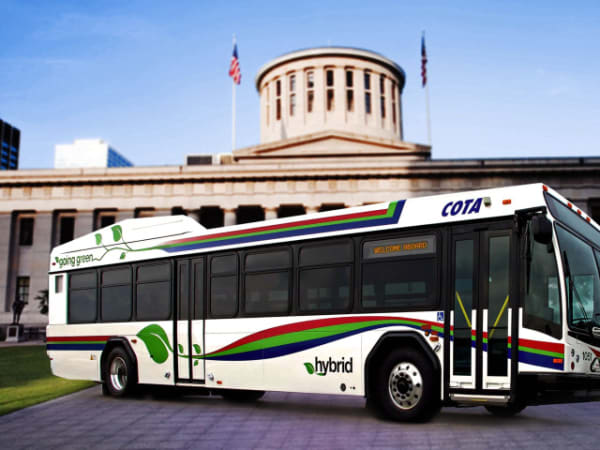
Columbus, Ohio-based Central Ohio Transit Authority revamped its corporate Website, installed new AV equipment throughout its downtown building, and upgraded its interactive voice response hardware and software. The agency reported 347 vehicles in 2010's survey.
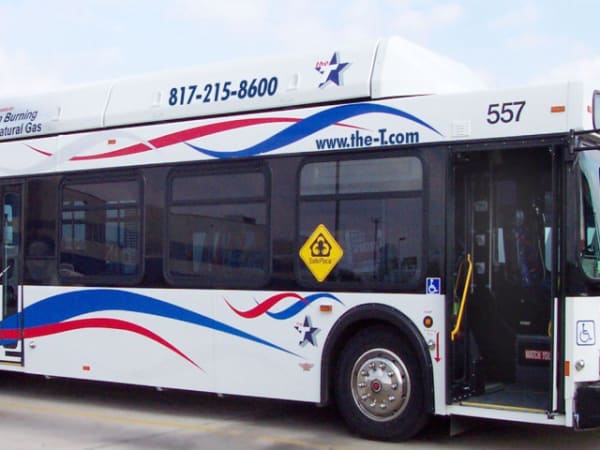
Texas' Fort Worth Transportation Authority entered this year's Top 100 at No. 93 with 182 vehicles. The agency is in the process of converting to an all natural gas fleet.
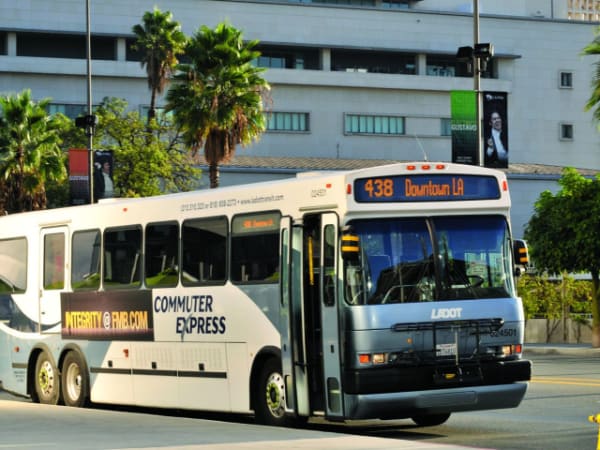
The Los Angeles Department of Transportation, No. 43 in 2010, reported that it added GPS-based radios to its commuter buses to be able to better coordinate resources during an emergency.
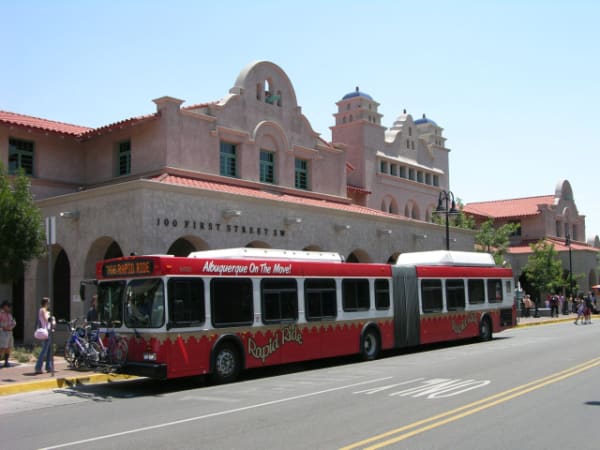
Albuquerque's ABQ Ride has added many new technologies to its bus fleet, including security camera systems, GPS tracking devices, and an automated system for identifying the bus and the mileage at each fueling station. The agency also upgraded its fare boxes to make boarding quicker.
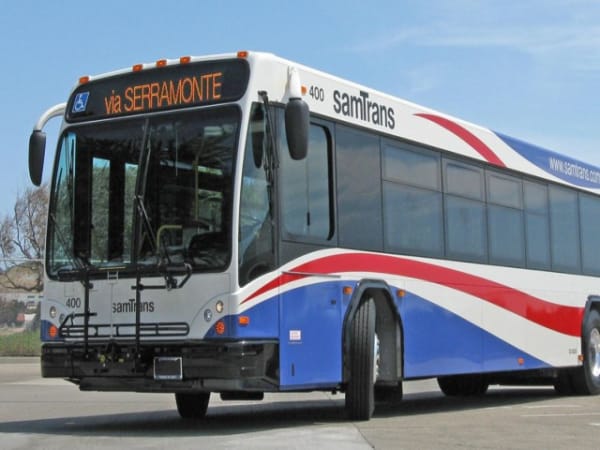
The San Carlos, Calif.-based San Mateo County Transit District's new buses were manufactured with a four-speed transmission that has provided an increase in fuel efficiency. The agency came in at No. 56 with 350 vehicles.
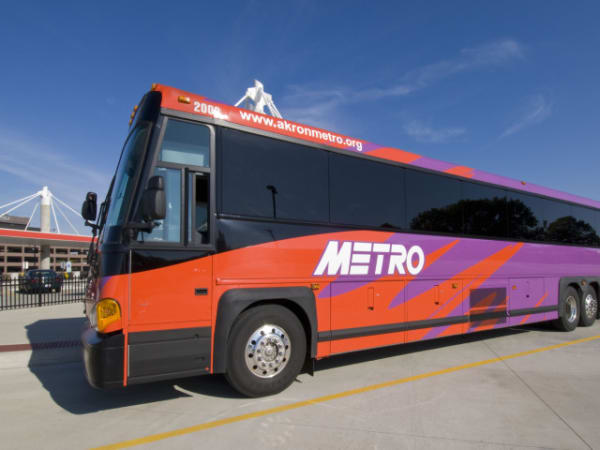
Akron, Ohio's Metro Regional Transit Authority came in at No. 89 in this year's Top 100 with 208 vehicles.
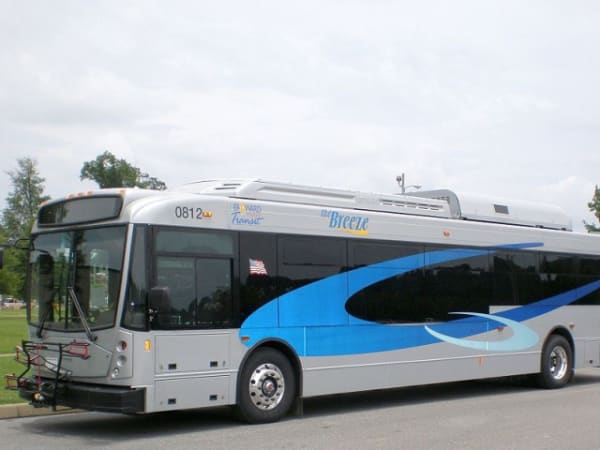
Pompano Beach, Fla.-based Broward County Transit is currently making bus stop/shelter enhancements, including real-time transit signs powered by solar energy. Other technical advancements include new passenger counters and improved communication systems on buses.
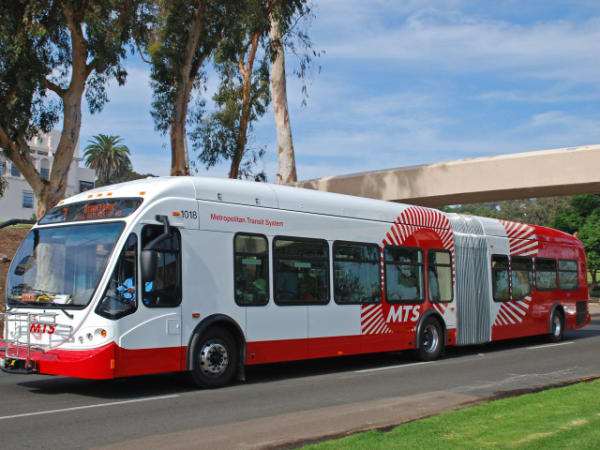
The San Diego Metropolitan Transit System entered this year's Top 100 at No. 30 with 665 vehicles. The agency has recently added video surveillance cameras, APCs and AVL.
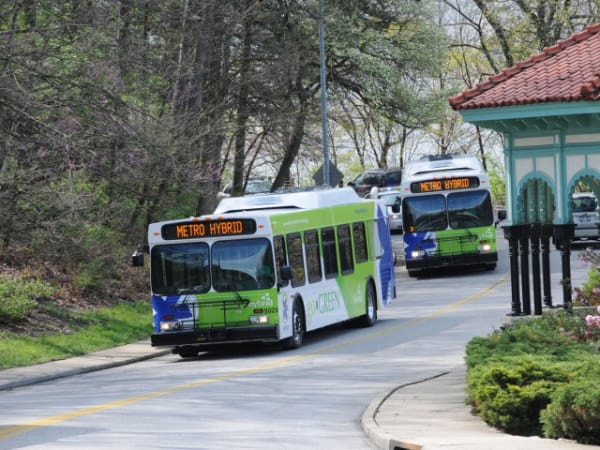
Cincinnati's Southwest Ohio Regional Transit Authority recently added hybrid and articulated buses and installed six cameras and a microphone on all of its busses, as well as GPS devices and a fuel monitoring system.

Tied for No.44 in this year's Top 100, Hartford, Conn.-based CTTTRANSIT is in the process of adding a hydrogen fueling station and a six-bus hydrogen storage garage, as well as adding fuel-cell power plants at two garages to provide almost zero emissions on site electrical power and hot water.