
Metro Magazine

 MENU
MENU SEARCHMENUSEARCH
Loading data...

Royal Excursion’s 40-passenger vehicles are equipped with Alcoa wheels, 110-volt plug outlets, highest quality leather seats, an REI A/V system, side and driver shades, and wood grain rubber flooring.
Read More →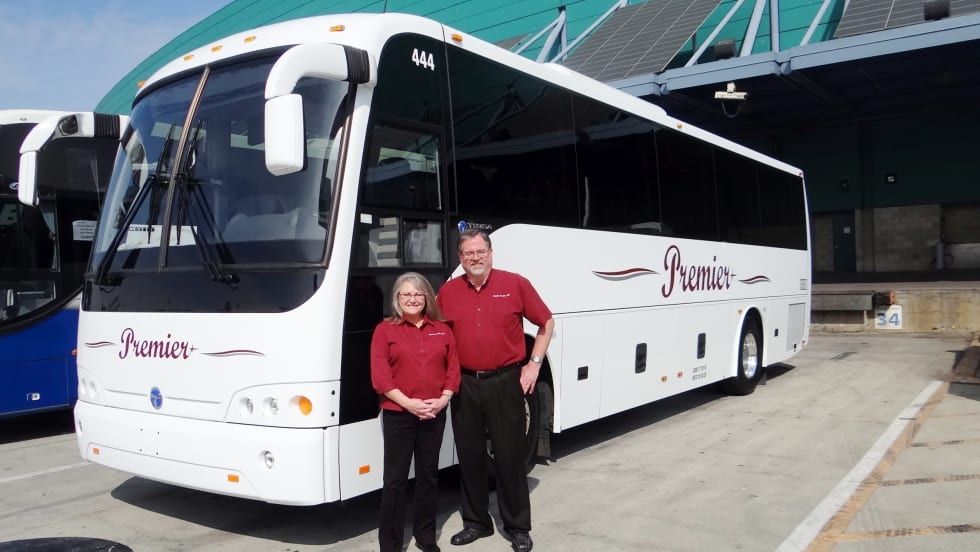

Equipped with Alcoa wheels, REI Audio/Video monitors, and side and driver shades. The most recent 2014 model also includes leather seats, wood grain floors, cordless microphone and 110-volt plug outlets.
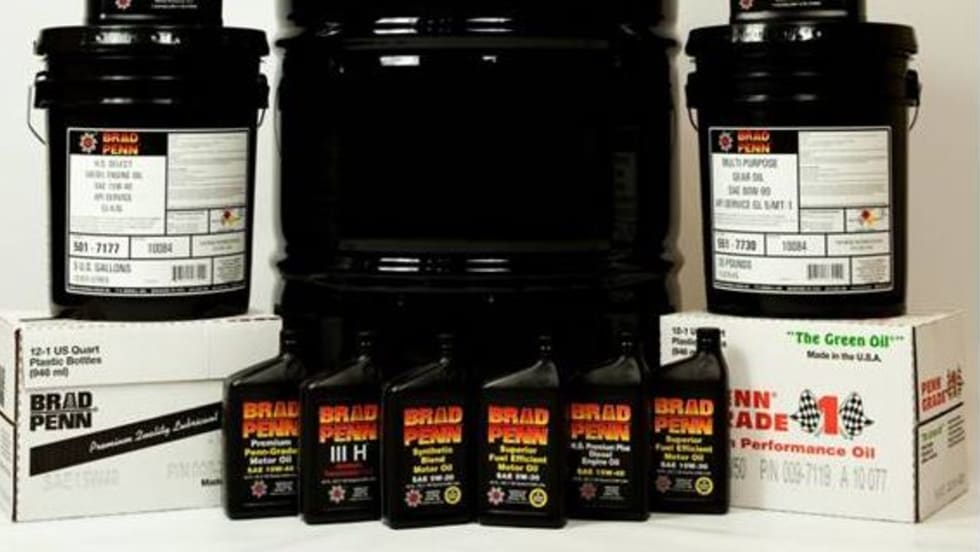
Read More →BRAD PENN Compressed Natural Gas Engine Oil is a premium multi-viscosity lubricant specifically designed for use in compressed natural gas fueled vehicles.
Read More →Crosspoint Kinetics’ S3000 hybrid system leverages evolved designs and technologies with improvements in durability and control software and is ideal for small paratransit and shuttle buses.
Read More →The G Series will initially be manufactured at the Beijing Foton Cummins Engine Co., serving customers on a global basis. Production will start during the first half of 2014.
Read More →The plant is also in full production with the new high-performance Cummins Westport ISX12 G heavy-duty natural gas engine.
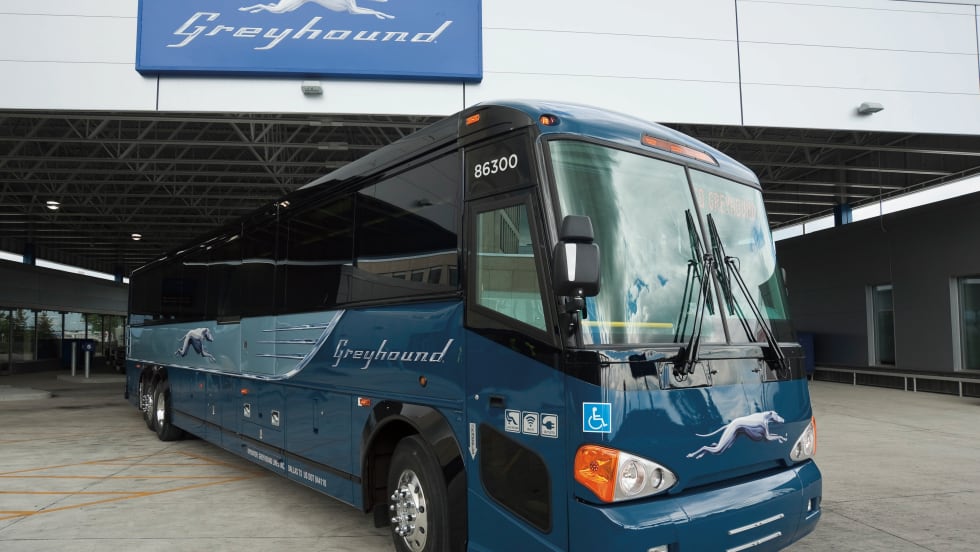
Read More →New D4505 coaches will reflect the company’s updated look and come equipped with wheelchair lifts and digital amenities now available on all of its newer coaches.
Read More →L.A. Metro announced plans to order 550 New Flyer Xcelsior natural gas buses, powered with the ISL G 8.9 liter engine, to be deployed in 2014 and 2015. The San Diego MTS announced the decision to purchase up to 350 Gillig 40-foot low floor buses and 118 New Flyer 60-foot low floor articulated buses, also powered with the ISL G 8.9.
Read More →The Cummins ISL9 and ISX12 clean-diesel engines meet the 2013 U.S. EPA regulations as well as the 2014 U.S. Department of Transportation greenhouse gas and fuel-efficiency standards, achieving fuel-economy improvements for motorcoach customers.
Read More →The board has awarded contracts to Cummins NPower LLC and New Flyer Industries Canada ULC to perform turnkey overhauls, which include supporting labor and the furnishing, installation and warranty of all supplies and materials associated with the project.
Read More →