
Metro Magazine

 MENU
 SEARCHMENUSEARCH
Loading data...
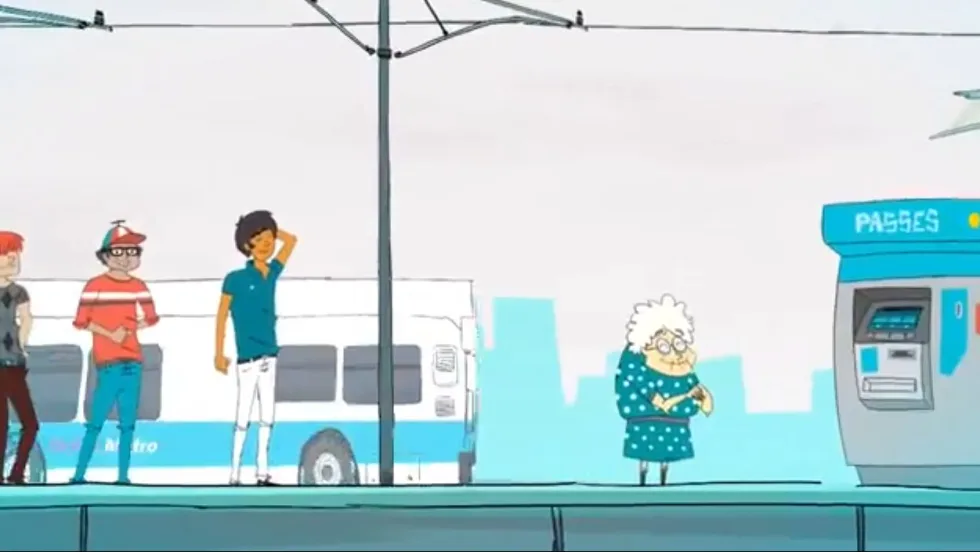
Valley Metro's Reduced Fare program helps youth, seniors and persons with disabilities save money on all their transit needs.
Read More →





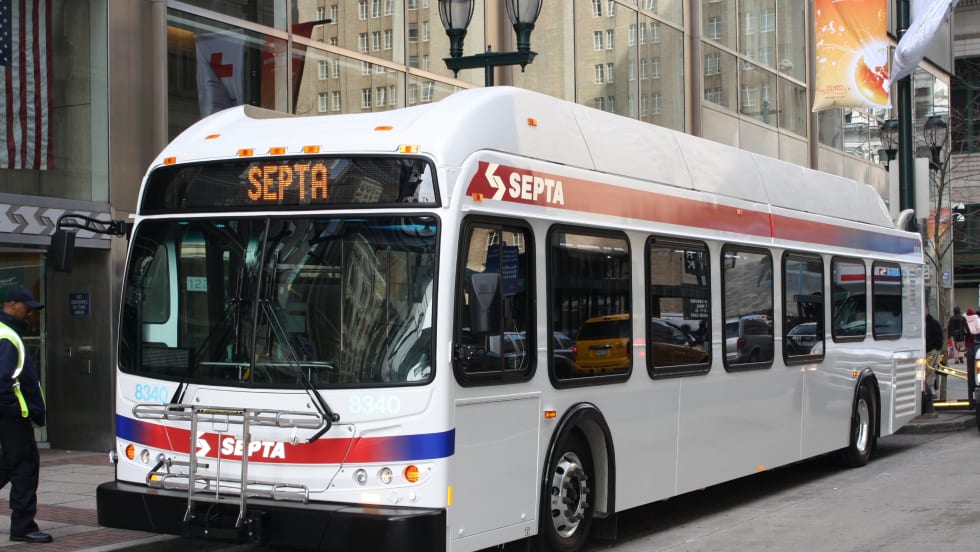
The card program, which was originally scheduled to debut in 2013, is supposed to bring SEPTA’s antiquated fare system into the modern age and allow riders to pay for fare plans with a debit or credit card.
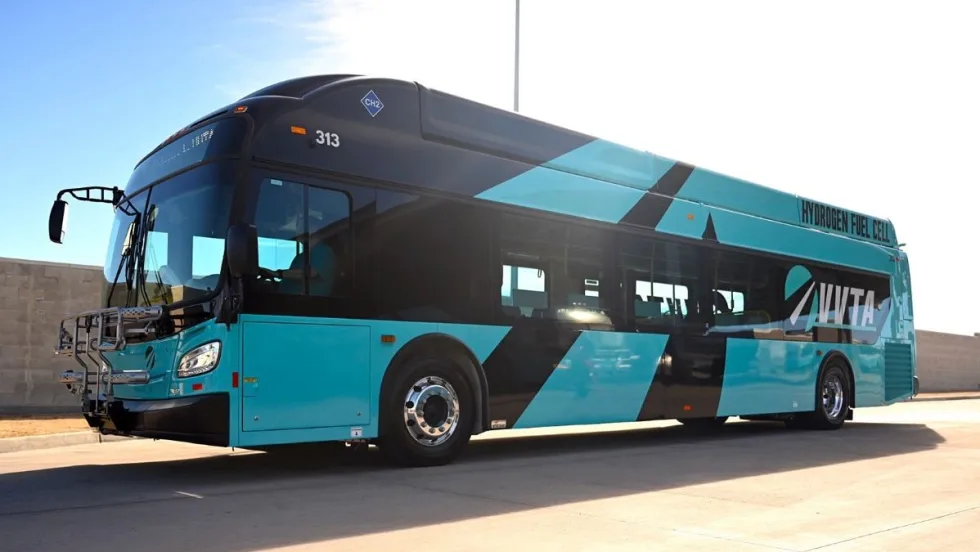
Read More →The introduction of hydrogen fuel cell buses represents a significant step forward in reducing emissions while maintaining reliable, high-quality transit service.
Read More →MOBILEticket is a new smartphone application that helps transit authorities connect with their riders, reduce operating costs, and move into the future of open payment systems.
Read More →Projections show the shortfall will reach a critical point in the Trust Fund’s Highway Account in just a few weeks, requiring the Department to institute cash management procedures for highways at that time, with a similar plan to follow for the Mass Transit Account when it is expected to reach a similar point this Fall.
Read More →The average transit executive spent 23 years in the industry, with an average annual salary of $113,000, according to METRO’s seventh annual survey.
Read More →Prior to Washington's transportation industry experience, he had a storied 24-year military career, retiring as a decorated active-duty U.S. Army soldier, having attained the rank of Command Sergeant Major.
Read More →Mobile column lifts have increased steadily in popularity, with many manufacturers and industry veterans foreseeing improvements in the models’ efficiency and effectiveness.
Read More →GM Joseph M. Casey said the award is a testament to the hard work of the Authority's employees. Annual trips system-wide are up 32 million since 2007 - indicating success with initiatives to attract and retain new customers.
Read More →