
Metro Magazine

 MENU
 SEARCHMENUSEARCH
Loading data...
President/CEO Paul P. Skoutelas discussed how the public transportation industry is coping with the COVID-19 pandemic and that additional aid will be needed now and for the future.
Read More →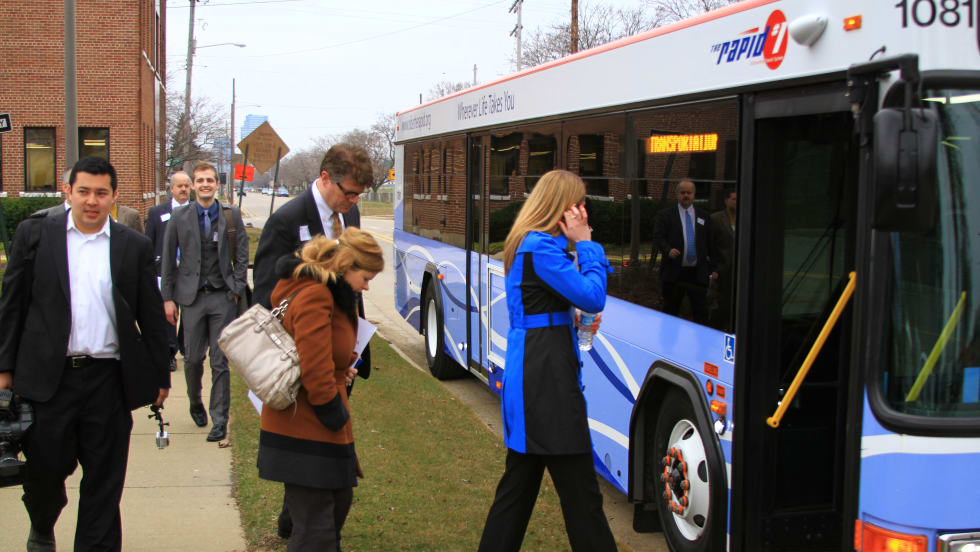


Peter Varga’s theme for his year as chair is “America’s Future is Riding on Public Transportation.” This is reflected in his success at accommodating increasing ridership and improving job access as CEO at Michigan’s The Rapid and his work with APTA on a reauthorization plan.
Read More →A bipartisan, bicameral coronavirus relief aid package is being discussed in the lame duck session, but that can be only a starting point for negotiations.
Read More →The savings are based on the October 13, 2011 average national gas price and the national unreserved monthly parking rate.
Read More →The savings are based on the cost of commuting by public transportation compared to the cost of owning and driving a vehicle which includes the Jan. 16, 2014 average national gas price and the national unreserved monthly parking rate.
Read More →Highlights from the APTA Bus and Paratransit Conference general forum, which included presentations from Rick Ruddell, president/executive director of the Fort Worth Transportation Authority; Joyce Olson, CEO of Snohomish County (Wash.) Public Transportation Benefit Area Corp.; Kim Green, president of GFI Genfare; and Art Leahy, CEO of the Orange County (Calif.) Transportation Authority (OCTA).
Read More →President and CEO Michael Melaniphy issued a statement urging Congress to vote to extend the commuter tax benefit, which is set to expire on Dec. 31.
Read More →Releases this monthly Transit Savings Report to examine how an individual in a two-person household can save money by taking public transportation and living with one less car.
Read More →Restoring parity between transit tax benefits and parking tax benefits will eliminate the federal tax incentive to drive over taking public transportation, said President/CEO Michael Melaniphy in a statement.
Read More →Melaniphy addressed the significant amount of investment that is required to address the backlog of capital needs ($78 billion) and to meet growing demand ($60 billion annually).
Read More →