
Metro Magazine

 MENU
MENU SEARCHMENUSEARCH
Loading data...
The PaYS program is designed to help soldiers prepare for a career after the Army by connecting them with employers who understand the skill, discipline and work ethic that military service members can bring to an agency.
Read More →
The project would require many different types of businesses from across different market sectors to participate, including construction and landscaping; and architecture and engineering.
Read More →
Supporters say the “farebox recovery ratio” mandate, in place since at least the 1990s, discouraged the state from investing in transit systems to make them more appealing and, in turn, increase revenues.
Read More →
In the wake of the increase in New York, where a monthly unlimited pass now costs $121, a new analysis shows the affordability of more than 70 transit systems across the U.S.
Read More →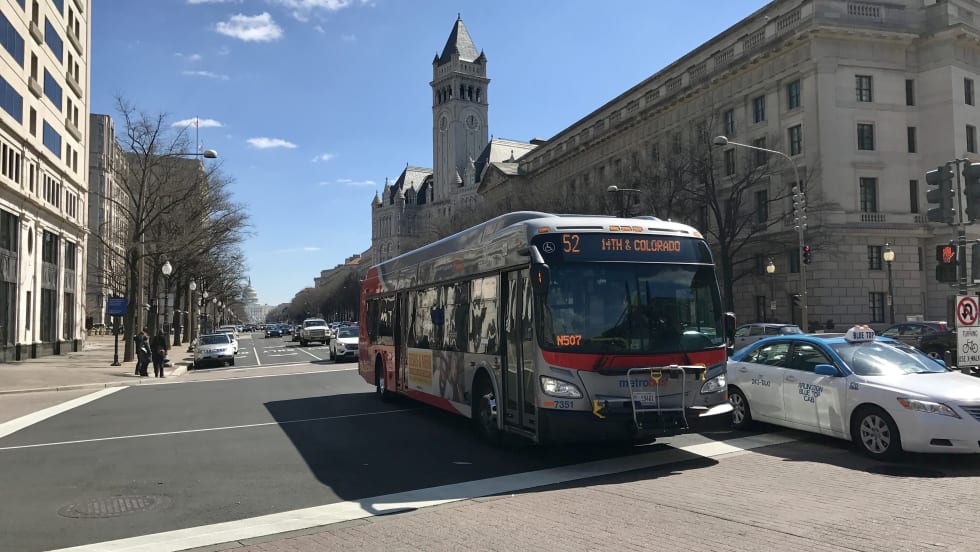
A new handbook draws on examples from over thirty cities and outlines nearly two dozen policies and strategies that mayors and transportation agency leaders can use to improve urban transportation.
Read More →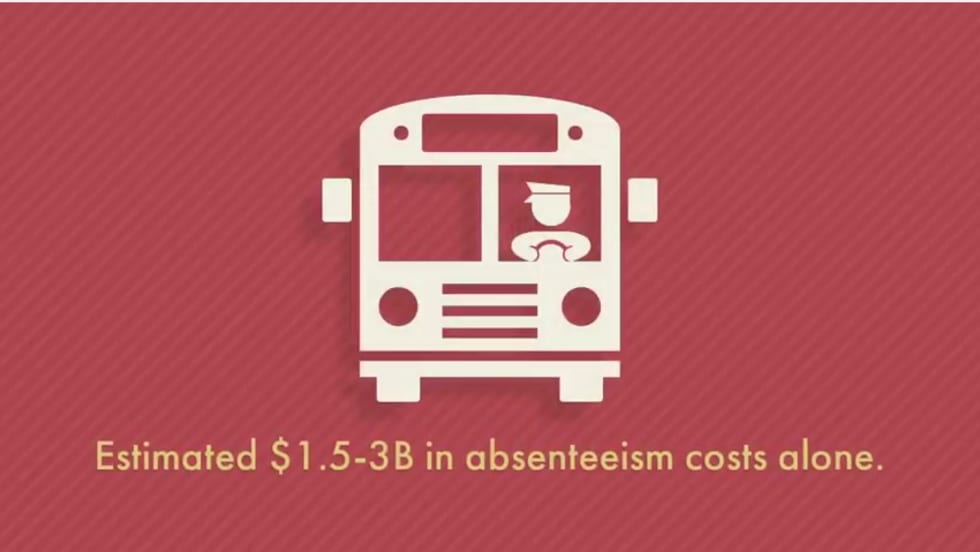
Public transit authorities have some of the highest turnover and absenteeism rates of any U.S. industry. This video explores some of the costs facing transit and discuss how to recognize burnout and disengagement.
Read More →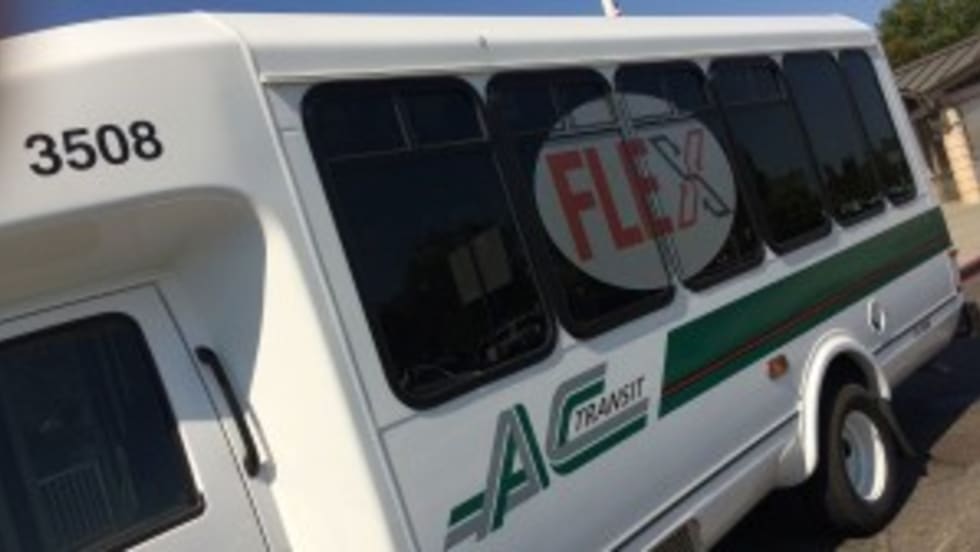
The pilot’s design employs smaller 12 seats buses (each fully-ADA compliant with Clipper Card readers and fare boxes) and offer riders the choice of which existing Line 275 bus stop they would like to begin and end their travel.
Read More →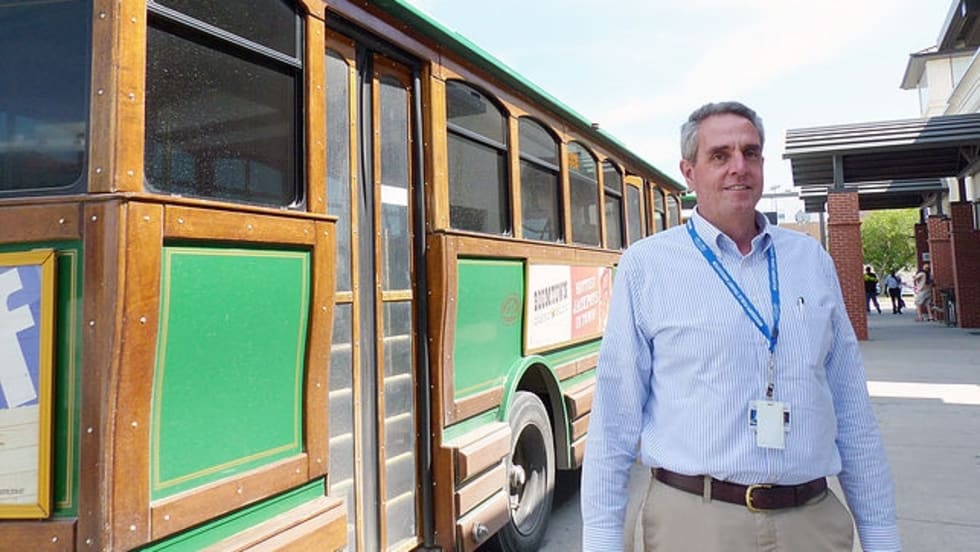
“On Friday, I go to bed, and the wind is about 110, 120 miles per hour — something that’s significant, but not something that’ll make you sit up straight in your chair,” recalls Kevin Coggin of the days before Hurricane Katrina.
Read More →
Federal transit expertise will benefit planning and delivery of mega infrastructure programs in the region.
Read More →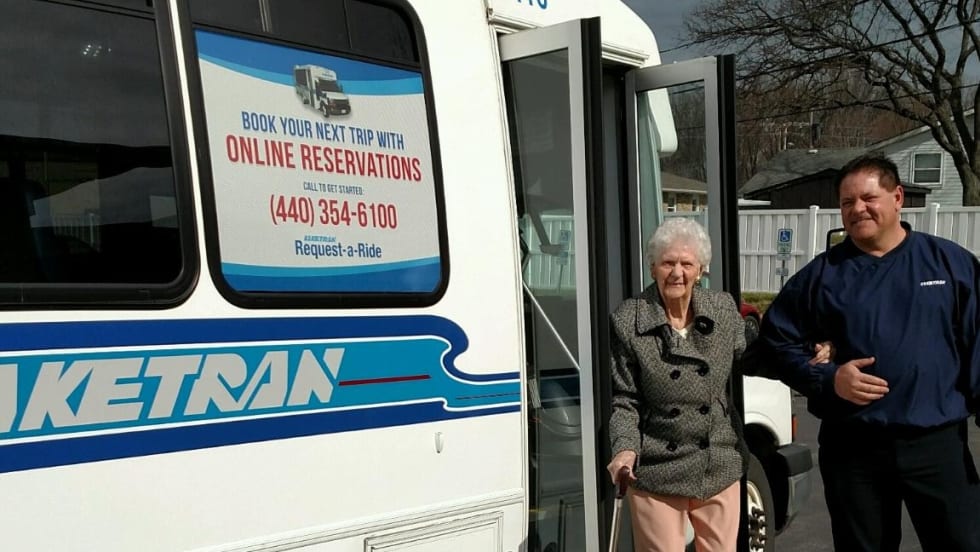
Ridership has increased 14 percent over the last three years and has no sign of slowing down. The January 2017 ridership is up 12% over January 2016.
Read More →