
Metro Magazine

 MENU
MENU SEARCHMENUSEARCH
Loading data...
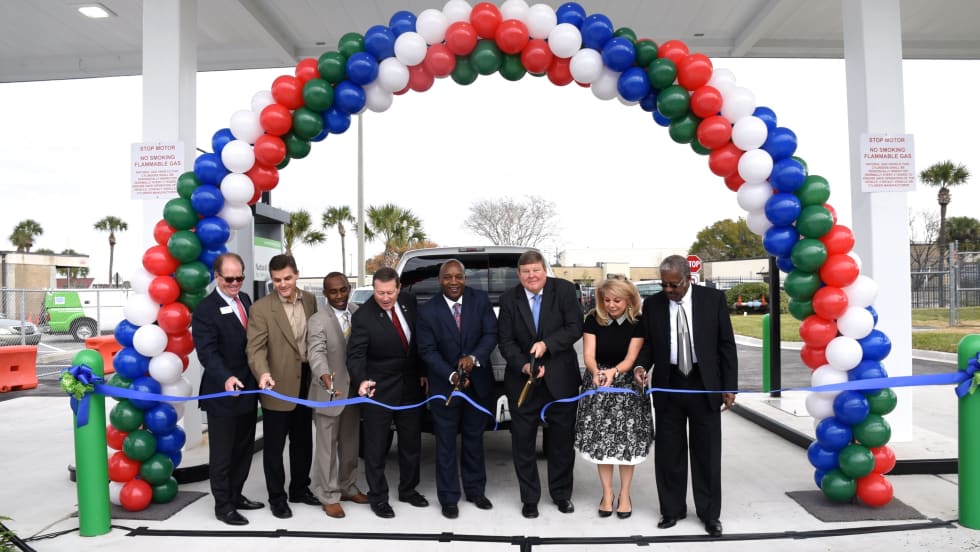
JTA’s goal is to have a fleet of 100 CNG buses over four years and we are well underway with 23 vehicles currently in the fleet.
Read More →
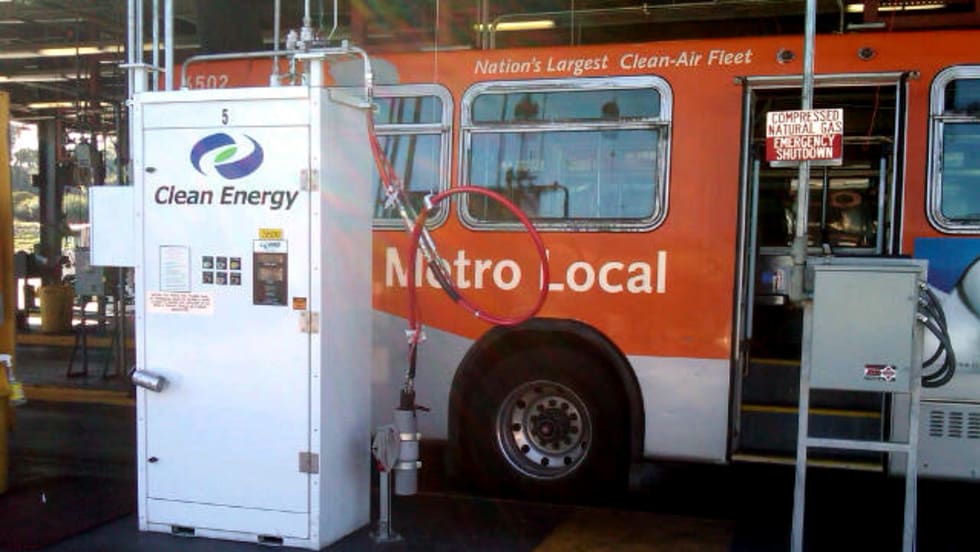

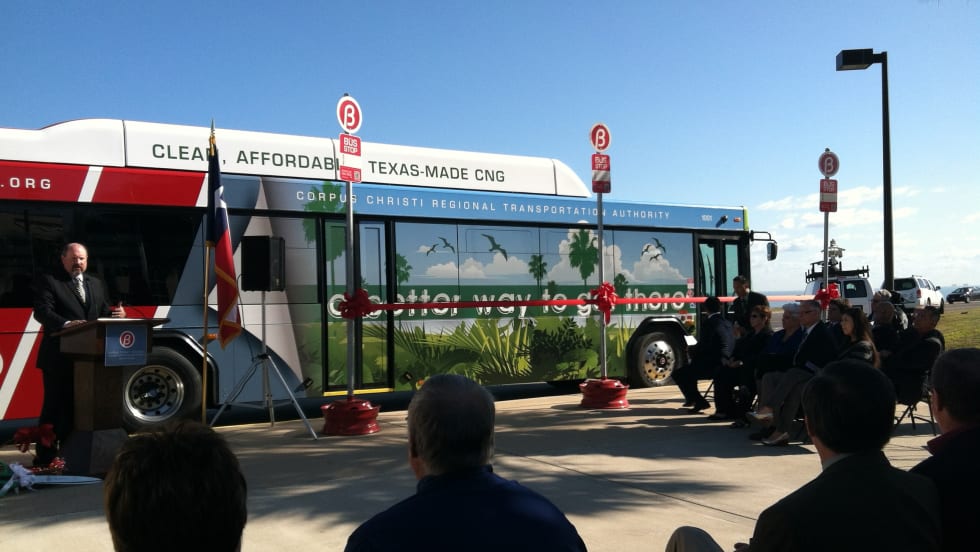
The new CNG fueling facility will feature two 250-hp compressors, producing 700 standard cubic feet per minute, with options for up to three more. The station will allow for fueling from four dispensers.
Read More →Agency is expected to use approximately 36 million gasoline-gallons-equivalent of CNG per year, which reduces greenhouse gases by 75,852 metric tons per year, the equivalent of taking 15,660 cars off the road per year.
Read More →Sales teams from both companies will offer Clean Energy's natural gas fueling station construction and operational services to current and potential customers.
Read More →Preparations for the new fleet, including modifications to existing maintenance facilities and construction of a new fueling station, have been under way for months. Once completed, the new CNG fueling station, the largest in South Texas, will support three 500-horsepower compressors capable of fueling 12 buses in six minutes.
Read More →Municipalities and other organizations using stations include NY/NJ Port Authority, Long Island Bus/Transit Authority and New York City Metropolitan Transportation Authority.
Read More →Will service 33 Lake Erie Transit (LET) vehicles. The agency partnered with the Monroe County Road Commission. The collaboration allowed the Commission to upgrade its existing fueling station and provided LET with a nearby, affordable biodiesel fueling location.
Read More →Will fund up to 10 new hybrid electric vehicles and a fueling station that will be built at Reno, Nev.-based Regional Transportation Commission of Washoe County’s maintenance and operations facility. Support was provided through the FTA’s FY2011 State of Good Repair grant program.
Read More →The first phase of the project includes construction of a first-of-its-kind hydrogen, propane and electric fueling station at a cost of $3.5 million.
Read More →The LNG fuel supplied is converted on site at Sun Metro facilities to compressed natural gas fuel, which powers the Sun Metro fleet of 200 transit and paratransit buses.
Read More →