
Metro Magazine

 MENU
MENU SEARCHMENUSEARCH
Loading data...
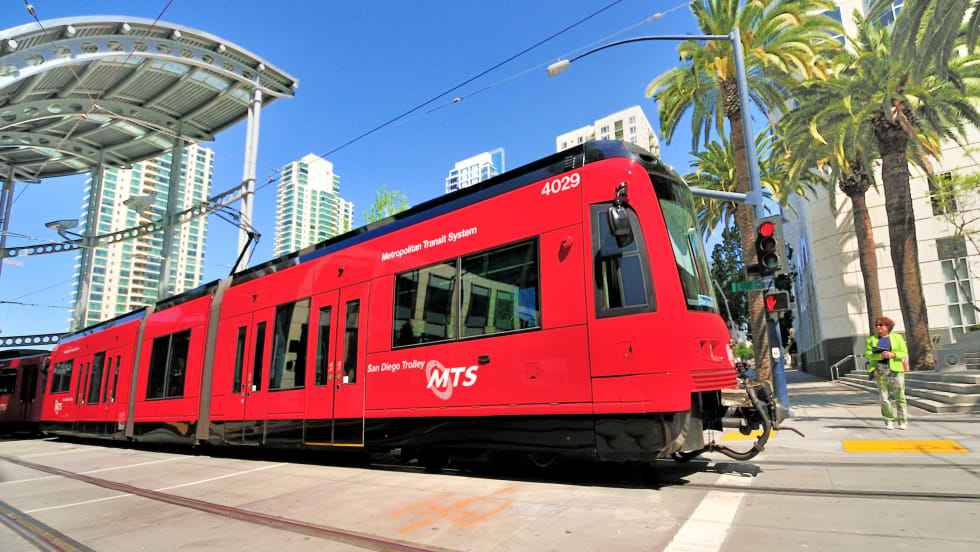
According to a study, low-income workers who commuted by car had 30 times the access to jobs than those who took public transit. The advent of ridesharing and bikesharing could close the gap.
Read More →
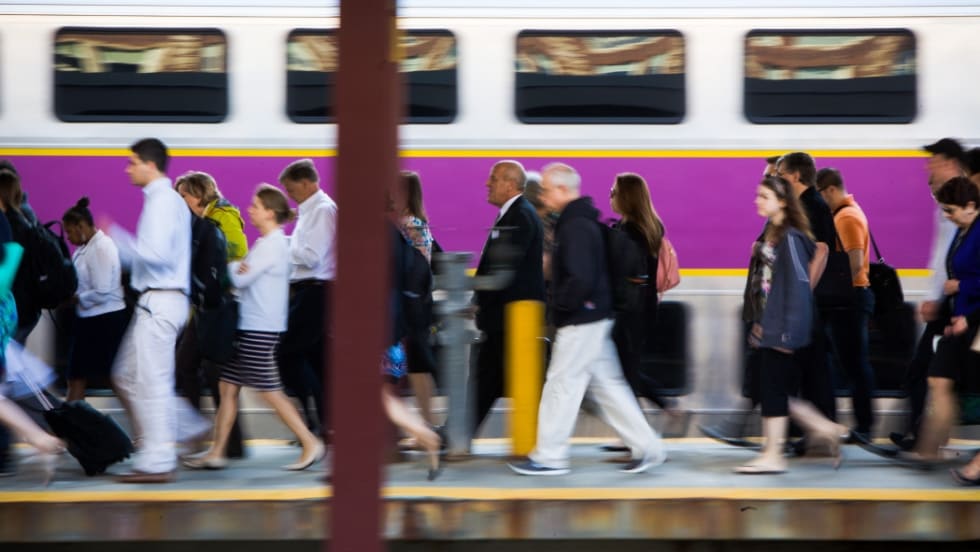
A group argues that the flawed data suggested the move would not have an overly burdensome effect on low-income and minority riders and that it should have taken steps to curb those impacts before ending the service in March.
Read More →Agency is leaning toward cutting the service, which keeps trains and some buses running about 90 minutes later on early weekend mornings at a cost of $14 million per year, as it seeks to plug a budget gap of $242 million next year.
Read More →The agency, which said it will lose $7 million to $9 million to subsidize these rides and cover the processing costs, is only the second big U.S. transit agency, after San Francisco, to offer low-income discounts.
Read More →