
Metro Magazine

 MENU
MENU SEARCHMENUSEARCH
Loading data...
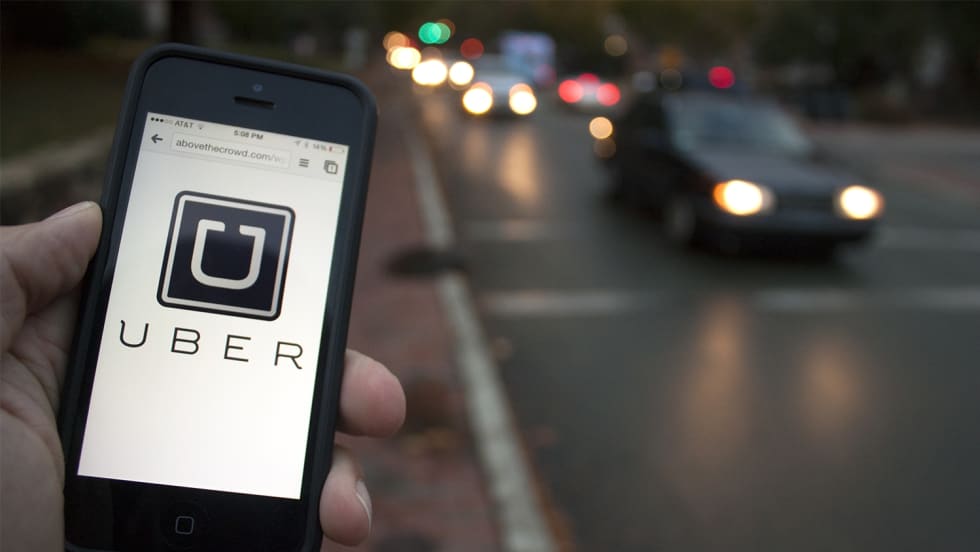
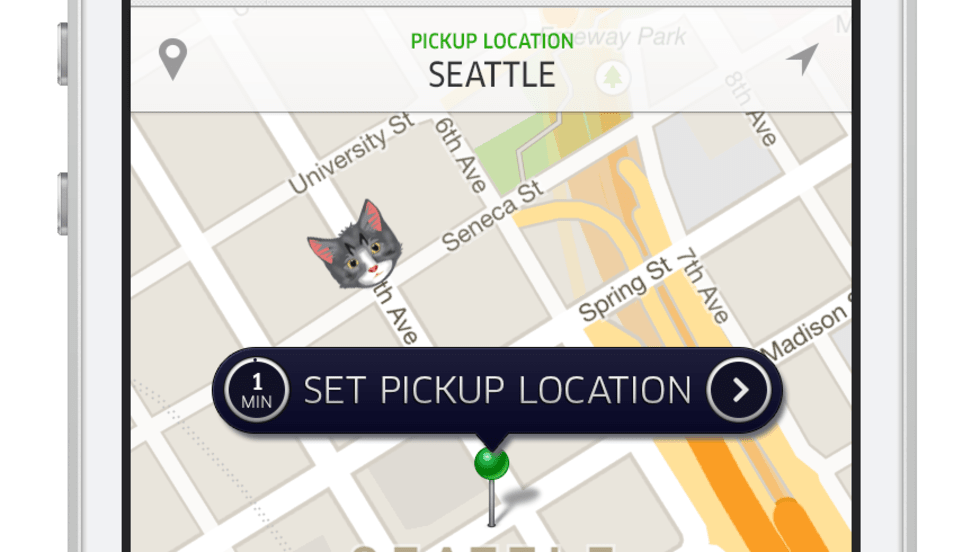
Thanks to the agreement, a tap of the Uber app will help remove the employment barrier of getting to job interviews for blind and visually impaired BIT candidates in Colorado.
Read More →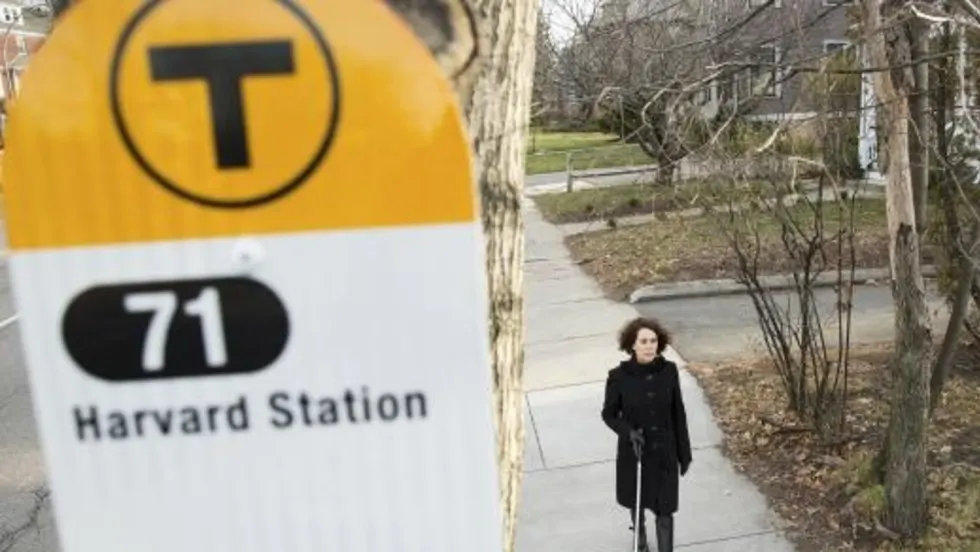
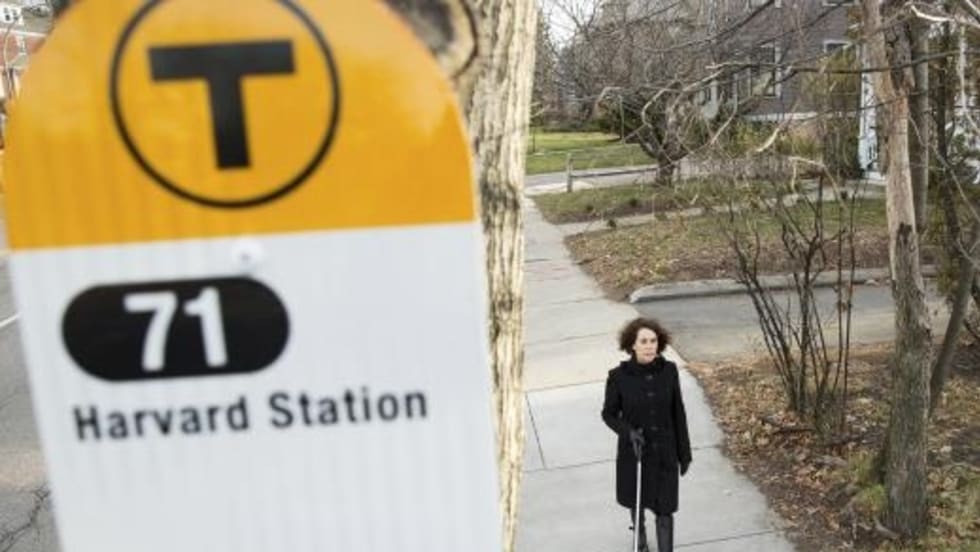
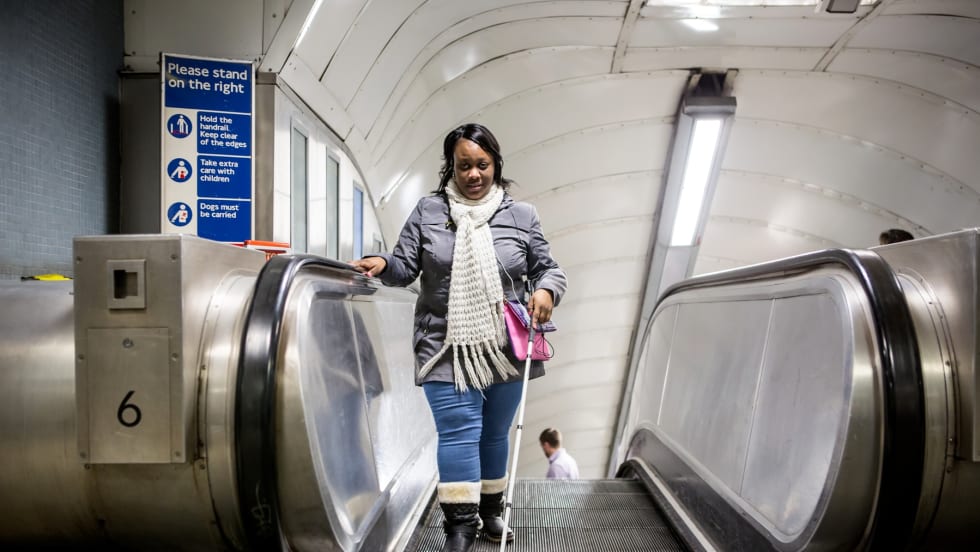
With help from a Google.org grant, Perkins School for the Blind is embarking on a groundbreaking project that will change the way people who are blind or visually impaired access public transportation.
Read More →Perkins anticipates using crowdsourcing to provide detailed navigation clues to bring users to within four to five feet — the standard length of a white cane — of their precise destination.
Read More →After this initial application, the new insights will drive the development of a mobile application specifically tailored for blind or visually impaired riders.
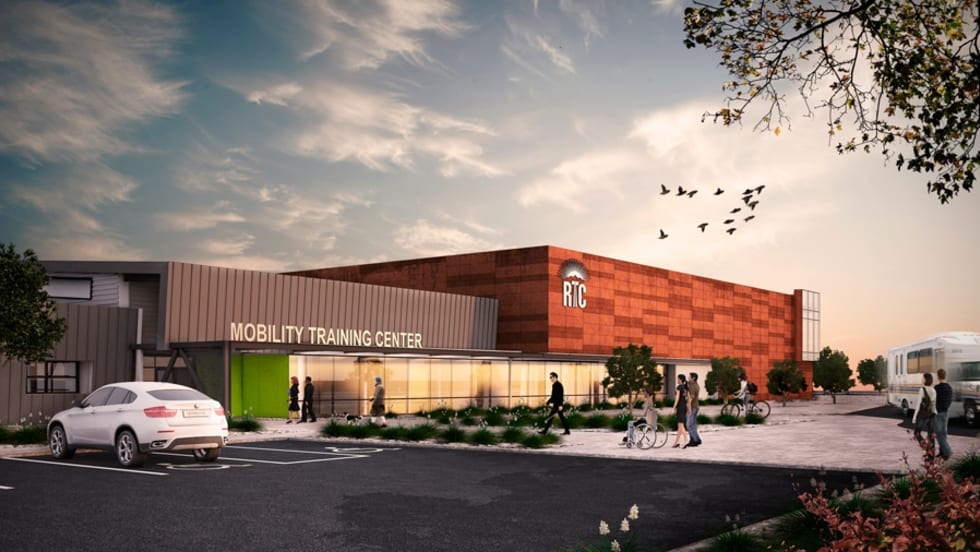
Read More →RTC specialists can teach clients — in a group or one-to-one setting — how to use public transit safely and efficiently in a contained environment that simulates the outdoors.
Read More →The Wayfindr uses beacon technology to guide vision impaired people through and around urban environments using their smartphones.
Read More →Trekker Breeze + will be installed on every Victoria Regional Transit bus starting this fall, which will provide clear and precise GPS annunciation of stop on transit, helping visually-impaired individuals to easily find their way around town
Read More →New features include a flashing screen for trip requests, as opposed to previous audible-only beeps, and the ability to turn off the option for users to call deaf drivers — users will only be able to text them
Read More →Carnegie Mellon University’s Robotics Institute is aiming to incorporate robots, smartphones, mobile applications and crowd-sourced information into a system that can help blind people navigate complicated and unfamiliar urban environments, such as transit stations.
Read More →About a dozen members of the National Federation of the Blind of Michigan, some with canes and service dogs, gathered outside the terminal for about two hours on Sunday displaying hand-lettered signs like “We are not second-class citizens,” “Safety for Seniors” and “Equal Rights for Disabled Travelers.”
Read More →