




RELATED: [Video] Transit guide-bots for visually impaired passengers
Digital technology helps vision impaired navigate London subway
The Wayfindr uses beacon technology to guide vision impaired people through and around urban environments using their smartphones.
December 8, 2015
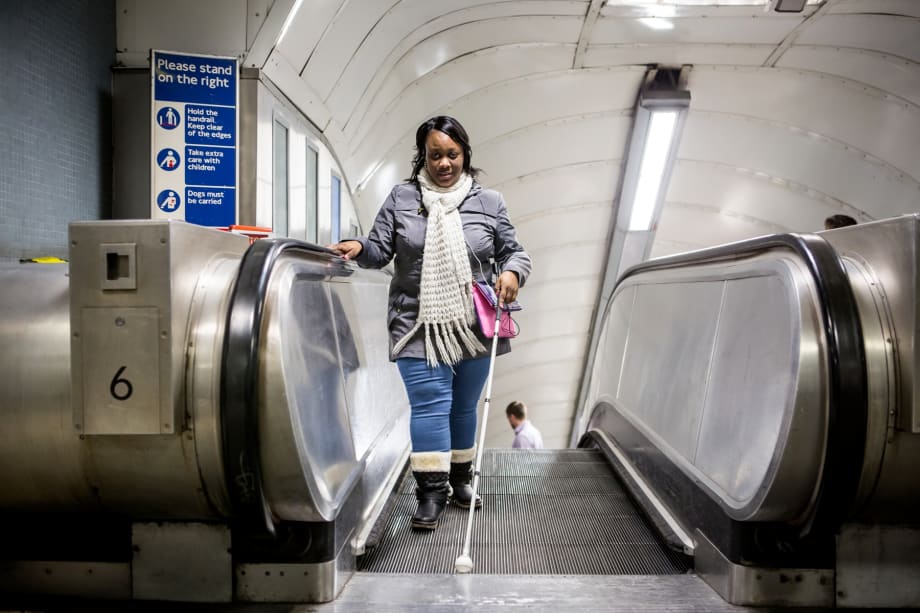
Photo: Transport for London/©Sophie Mutevelian
2 min to read
Photo: Transport for London/©Sophie Mutevelian
Blind and partially sighted people are trialling the Wayfindr digital navigation system at a major London Underground (LU) station for the first time.
Wayfindr — pioneered by the Royal London Society for Blind People's (RLSB's) youth forum and digital product studio, ustwo — uses beacon technology to guide vision impaired people through and around urban environments.
The trial guides participants through Euston Tube station, giving audio directions from a prototype smartphone app that interacts with beacons installed throughout the station. LU commissioned the trial to find out if the system can work reliably across the Tube network and to test and refine Wayfindr's standards for audio navigation. It builds on a pilot project at Pimlico station in early 2015, which led LU to invest in this full-scale demonstration at one of the busiest stations on the Tube network.
Through the RLSB, Wayfindr was awarded a $1m grant by Google.org in 2015 as part of the Google Impact Challenge: Disabilities program, which invites applications from projects that seek to solve problems for people living with disabilities, through technology. The grant will accelerate the work of Wayfindr over the next three years. Wayfindr will build on its experience in London to set the standard to make cities worldwide more accessible to the vision impaired. Having developed its expertise alongside LU, Wayfindr will begin trials in other urban settings, including retail environments and hospitals.

Photo: Transport for London/©Sophie Mutevelian
The Wayfindr Standard will launch in early 2016, setting the first guidelines for audio navigation for vision impaired people. The standard, developed through rigorous user research in live environments, will give location owners and makers of digital navigation services the tools to empower vision impaired people to independently navigate urban settings with the phone in their pocket. Compliance with the Wayfindr Standard will let vision impaired people know that a place or app is a reliable aid to independent travel.
More Security and Safety

Transit Agencies Highlight Safety Gains at National Summit
Leaders from 15 major transit systems shared crime-reduction results and safety initiatives while discussing the role of continued federal support.
Read More →
DART Launches Major Security, Fare Enforcement Initiative
The 90-day demonstration will deploy coordinated security teams at five light rail stations while testing controlled access and gathering data to guide future investments.
Read More →
RTD Launches NextRide App to Consolidate Trip Planning, Fares, Security Reporting
The app expands on RTD’s existing NextRide web application and allows customers to view real-time vehicle locations and service alerts, purchase and store digital fares, and access customer support.
Read More →

TAPTCO Updates OSHA Compliance Training for Transit Maintenance Operations
The revamped program addresses 26 OSHA standards for maintenance facilities, with TAPTCO pointing to training, documentation, and everyday shop hazards as continuing challenges for transit operations.
Read More →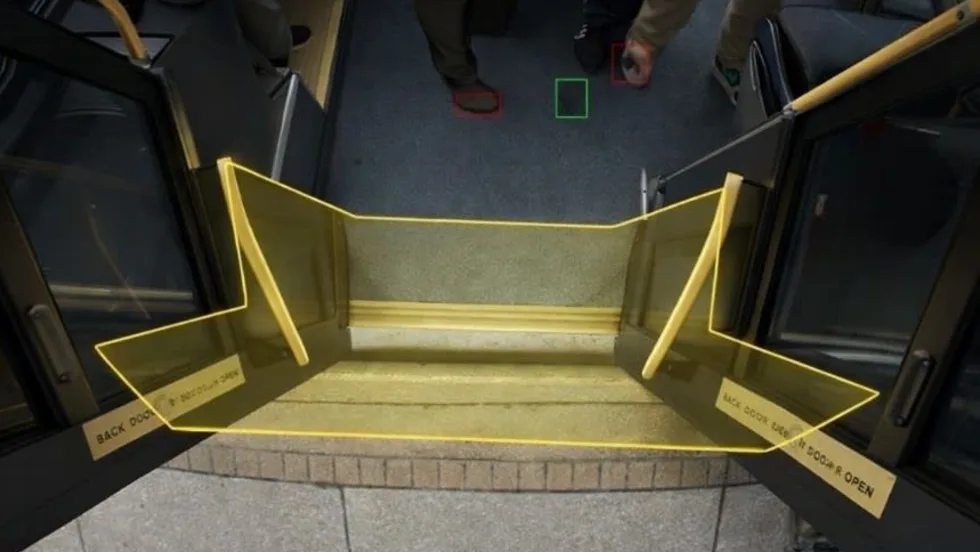
Sponsored•August 18, 2026
How VaporVision Adds Value to Transit Door Systems
Wabtec engineers explain how the system improves doorway detection, strengthens diagnostics and gives transit agencies and OEMs greater operating flexibility.
Read More →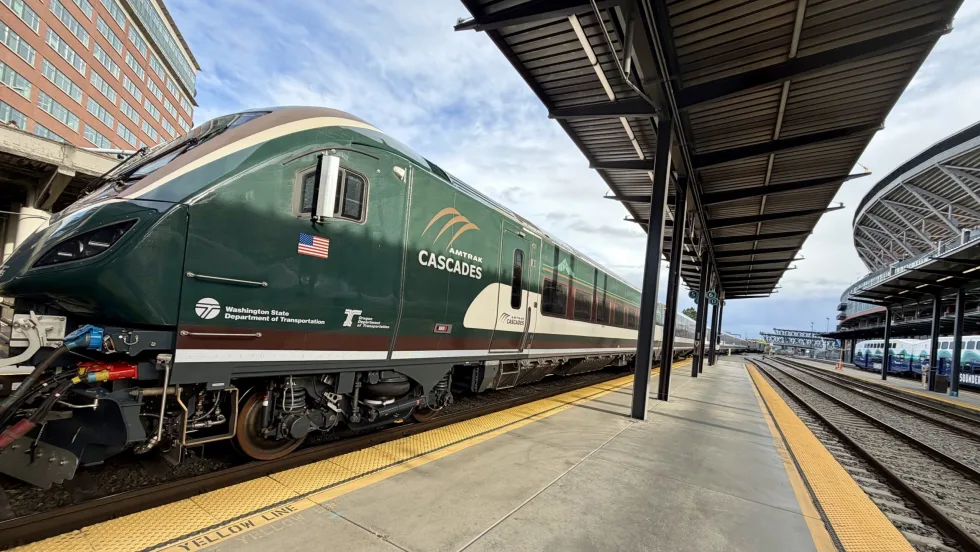
FRA Announces $5.3B in Rail Investments, Including $2B for Amtrak
Funding will support grade-crossing improvements, infrastructure upgrades, and new Amtrak equipment in 23 states.
Read More →
Chicago, Maryland Expand Non-Law-Enforcement Safety, Rider Support
The CTA and MTA are launching new programs aimed at de-escalation, crisis response, rider assistance, and greater transparency.
Read More →
LA Metro, City of West Hollywood, and Partners Advance Smarter Bus Lane Enforcement
The award-winning partnership combines AI-powered detection with human oversight to improve bus reliability, accessibility, and enforcement efficiency.
Read More →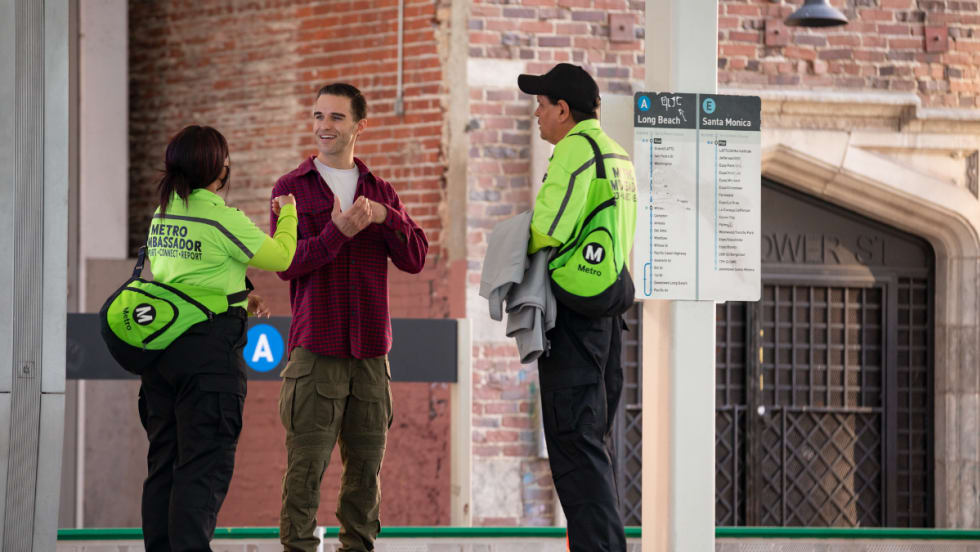
LA Metro Reports 57% Decline in Homelessness on Transit System Since 2024
The agency's latest homelessness count offers new data on how care-based services and cross-sector partnerships can complement traditional transit security strategies.
Read More →
FTA Launches 'Transit Moves America' Dashboard to Highlight Agency Safety and Performance
The online dashboard transforms National Transit Database information into a public-facing resource that allows users to compare transit agencies on key operational and safety metrics.
Read More →