
Metro Magazine

 MENU
MENU SEARCHMENUSEARCH
Loading data...
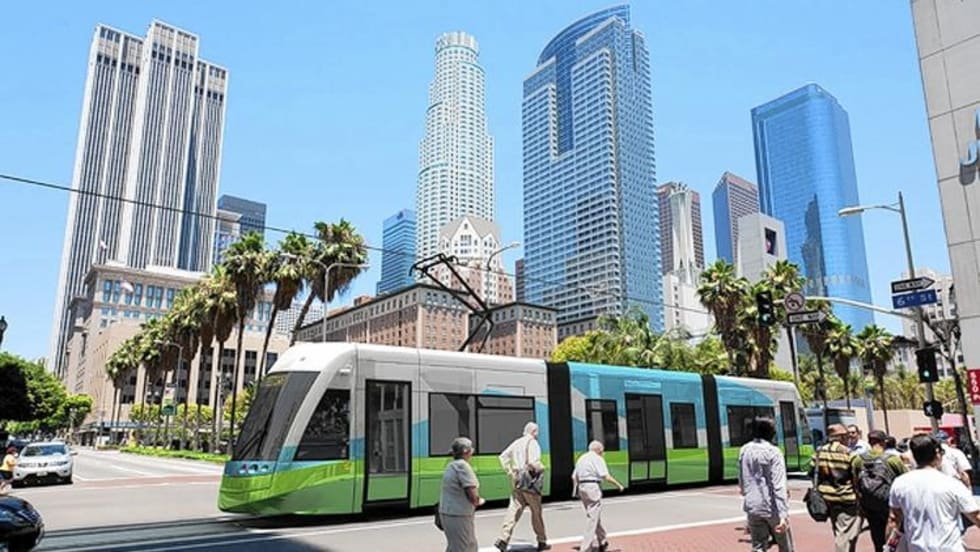
If the FTA gives the project the full $75-million grant it seeks, that would still leave a funding gap of more than $100 million.
Read More →
Detroit-based companies, along with women, minority and disadvantaged business enterprises, have been awarded nearly 30% of the construction and concurrent road work for the M-1 RAIL streetcar project.
Read More →
The plan calls for commuter rail service from Norman and Edmond into downtown Oklahoma City. There are also streetcar lines extending from downtown east, along with significant enhancements to local bus service.
Read More →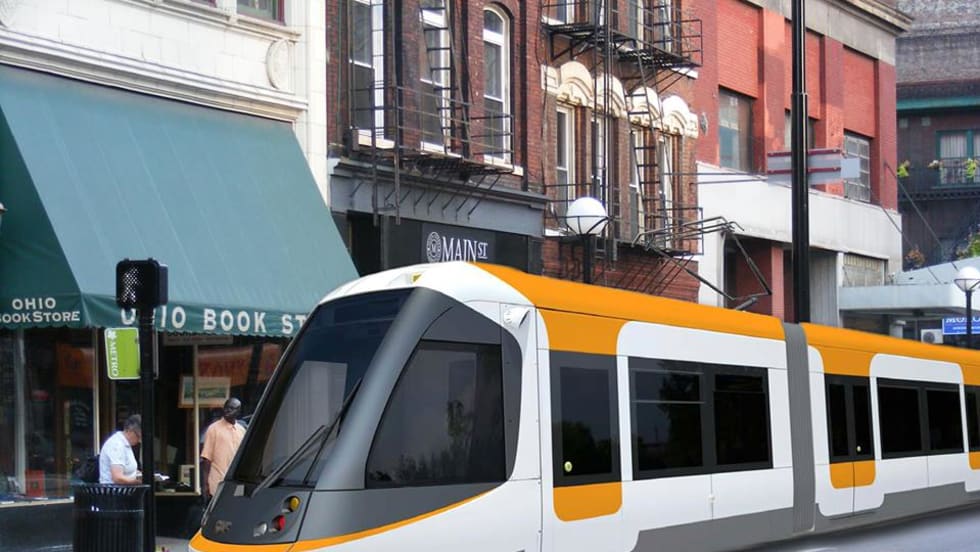
The regional transit authority's grant application rated poorly in a standard scoring process completed by the Ohio-Kentucky-Indiana Regional Council of Governments transportation planning agency, according to documents obtained by The Enquirer.
Read More →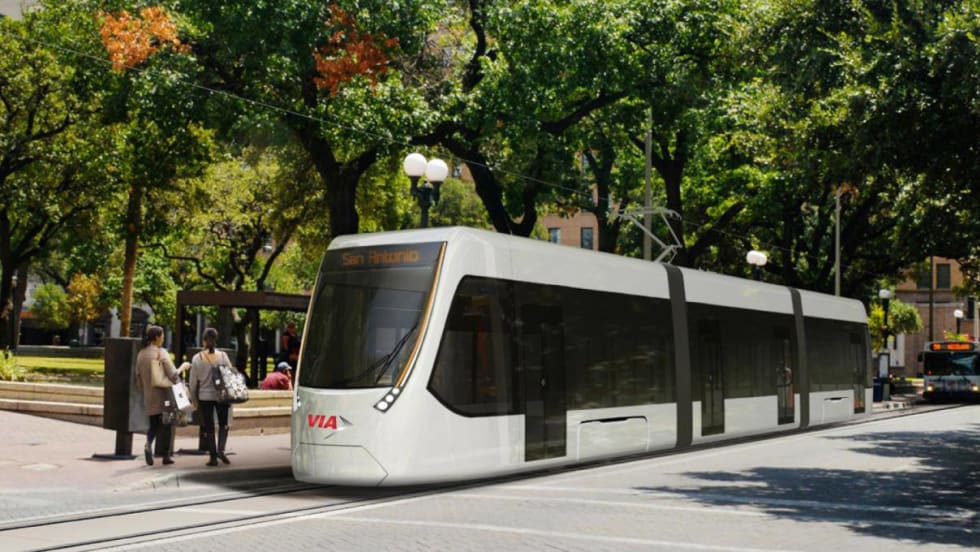
Citing a lack of community support, the city's mayor is asking staff to draft an ordinance for City Council consideration to withdraw the City’s $32 million streetcar project and redirect those dollars to other development initiatives in the center city.
Read More →
Is the first public streetcar line in the U.S. being supported by a public-private partnership comprised of foundations; corporations; and local, county, state and federal governments.
Read More →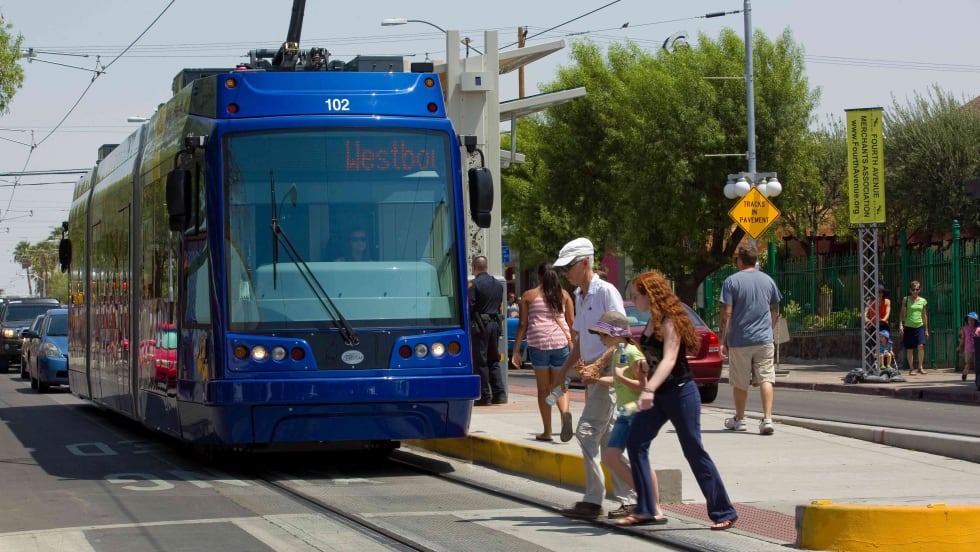
Sun Link, Tucson’s first tramway line, is 3.9 miles long with 18 stops. The line connects the University of Arizona campus to the Mercado District, Arizona Health Sciences Center, 4th Avenue, downtown Tucson and the Convention Center.
Read More →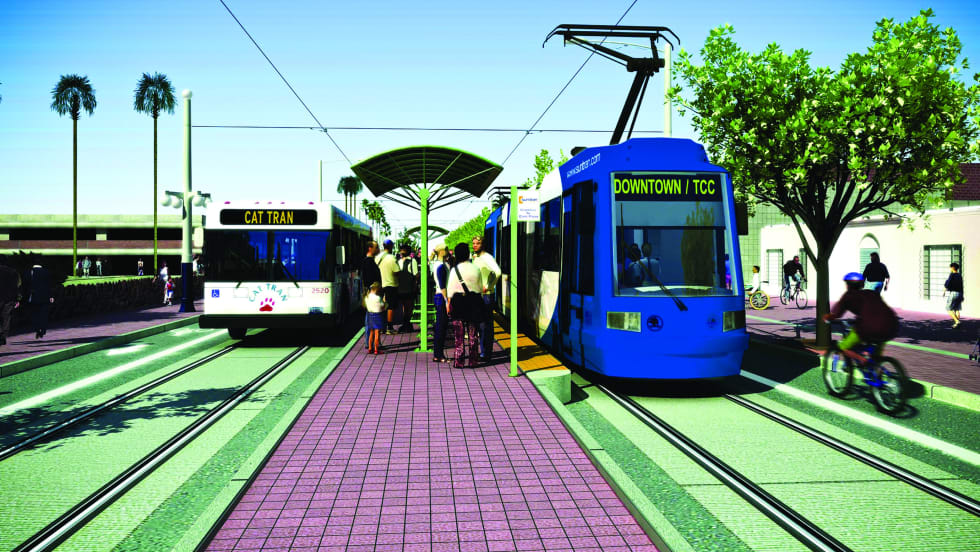
The project is funded by the Regional Transportation Authority and through federal and other regional funds.
Read More →
While construction costs are on time and on budget, operating cost discussions are ongoing for the $133 million project.
Read More →
A two-page letter to Transportation Secretary Anthony Foxx warned the project urgently needs additional grant money to proceed, but said it would survive without the funds, though; it would have to be scaled back.
Read More →