
Metro Magazine

 MENU
MENU SEARCHMENUSEARCH
Loading data...

Called the Arc, the service was made possible by a $5,000,000 TIGGER grant . The agency bought three electric-powered buses built by Proterra to run the service.
Read More →Built on a 2013 model year or newer chassis with a 6.8-liter, V10 engine, the ROUSH CleanTech propane autogas-powered Ford F-53 and F-59 feature a 67-usable gallon propane autogas fuel tank.
Read More →Today’s public transit vehicles are significantly more advanced than automobiles in their ability to run on clean fuels. For instance, buses on the road powered by alternative fuels rose from 2% in 1992 to 36% in 2011. That compares to the percentage of cars capable of being powered by alternative fuels was only 3.2% in 2011.
Read More →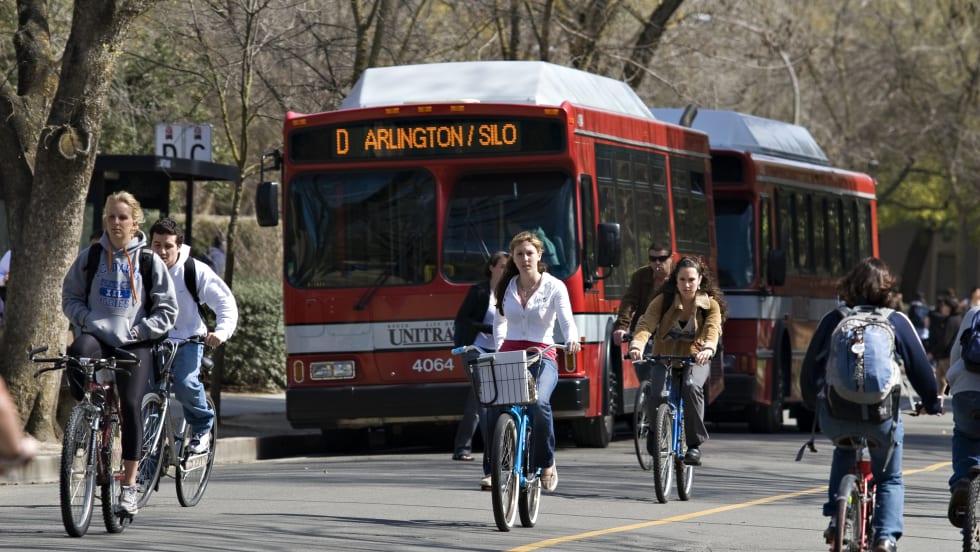
Offers extensive transportation system that includes the student-run Unitrans bus service, which serves the campus and adjoining city with 49 natural-gas-powered buses that carry 21,000 riders a day, 42 miles of bike paths and more than 20,000 bicycle parking spaces.
Read More →The order for 95 Xcelsior XDE40 buses is a conversion of options under the existing contract with the transit system and follows upon the delivery of 152 Xcelsior buses during 2011.
Read More →The completion of this testing means all paratransit body configurations that are compatible with the ROUSH CleanTech propane autogas powered Ford E-450 chassis are eligible for FTA funding, including Champion, ElDorado National, Elkhart Coach, Glaval Bus, Goshen Coach and Starcraft Bus.
Read More →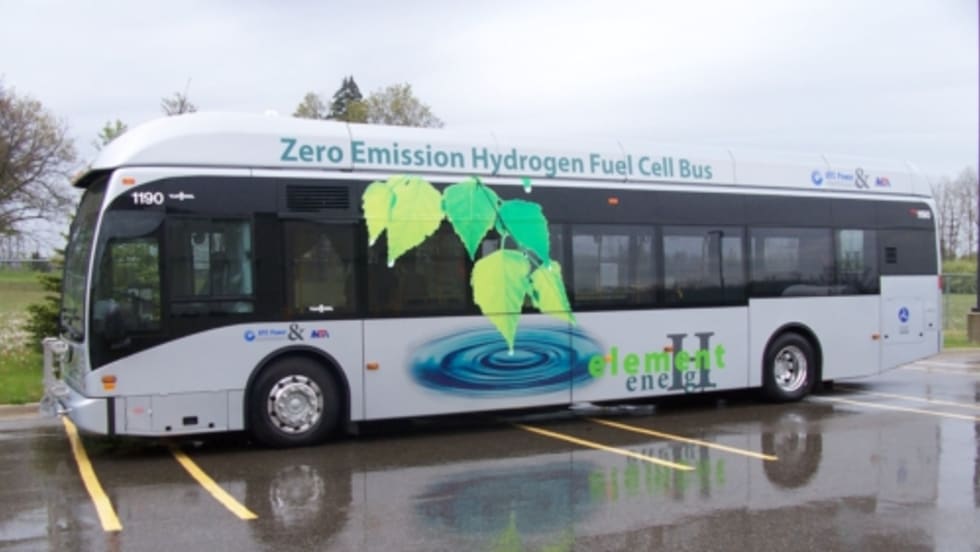
MTA's new fuel cell bus is hybrid-electric, zero emission and powered by a 120 kW UTC Power PureMotion fuel cell system.
Read More →Newest on-site energy station, which was engineered by Linde North America, Jacobs and EPC and built by W.L. Butler Construction, demonstrates the use of “renewable” hydrogen — hydrogen produced using Proton OnSite’s solar-powered electrolyzer.
Read More →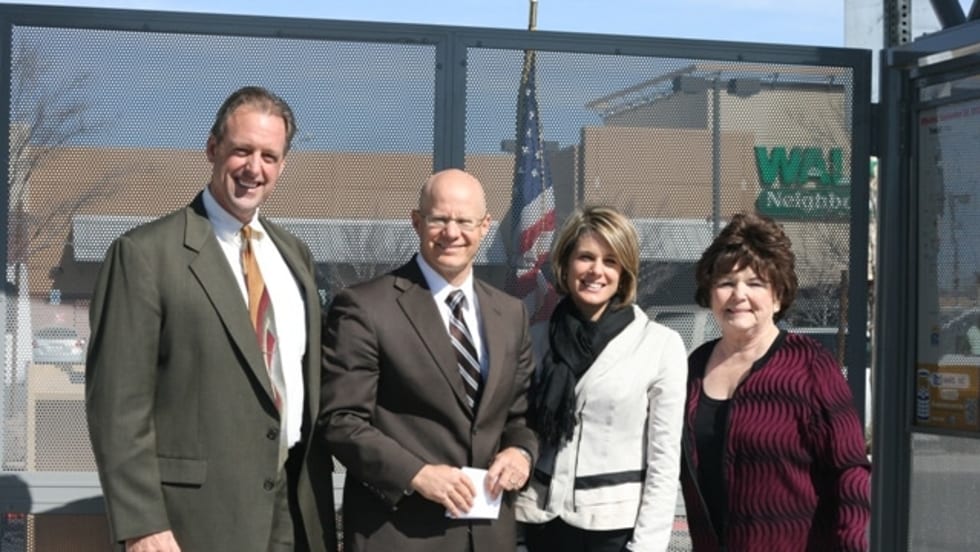
The shelters, built with recyclable materials, are estimated to save taxpayers about $54,000 a year in energy costs.
Read More →With a total value of $106,000, the MV-1s will replace two of the older vans in the 46-vehicle Lift Program fleet, which is being converted from diesel to CNG using federal stimulus money.
Read More →